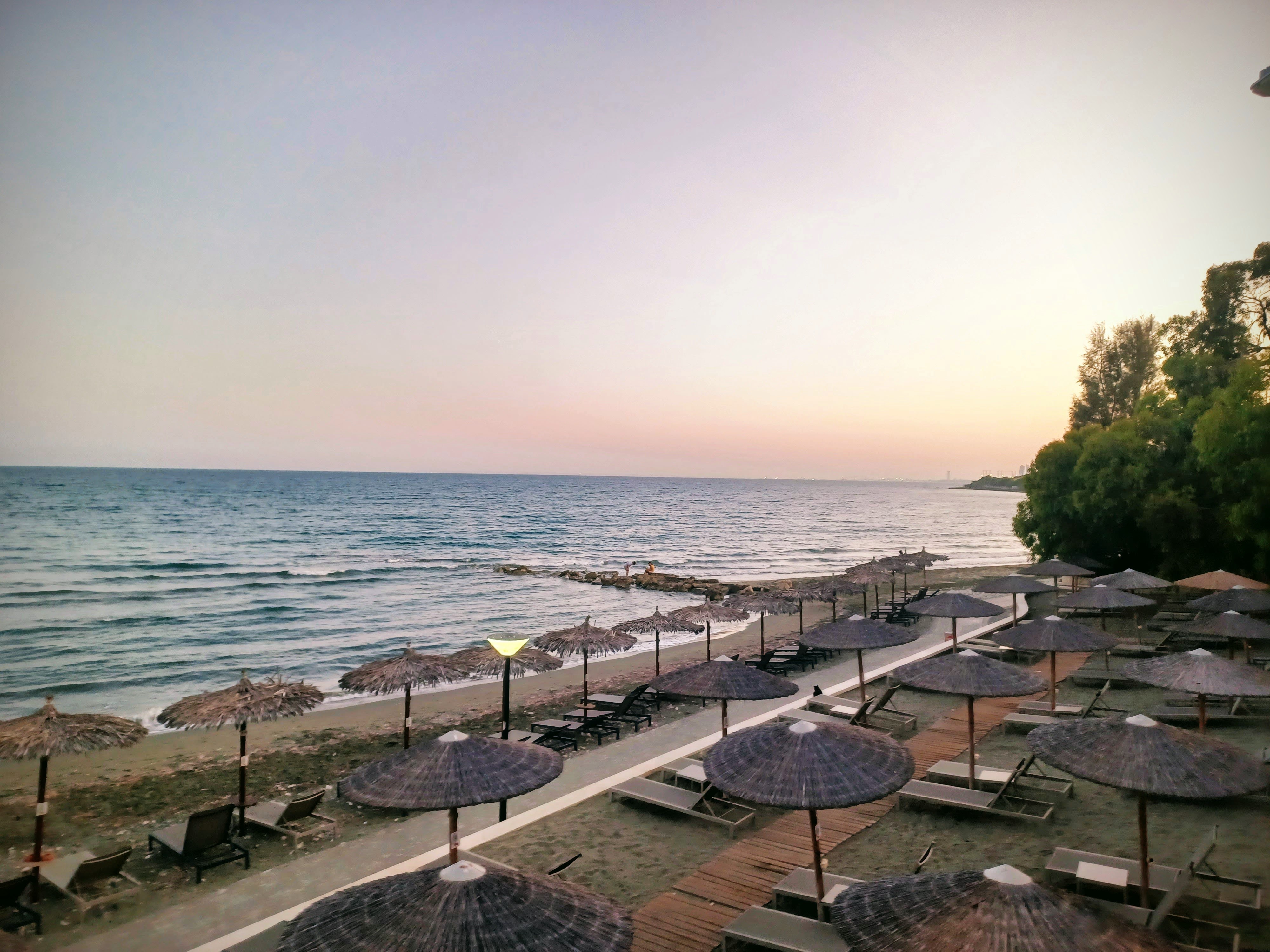
Cyprus’ Tourism Industry Faces Uncertain Future Amid Regional Conflict
Cyprus, a picturesque island in the eastern Mediterranean, is grappling with the repercussions of geopolitical tensions that have cast a shadow over its tourism sector. With hopes pinned on US President Donald Trump’s assurances regarding the resolution of the Iran conflict, the industry is bracing for potential fallout on summer bookings. However, even if peace returns swiftly, many in the sector fear that the damage may already be done.
The Timing of Turmoil
The timing of the recent conflict has proven particularly detrimental. For a significant portion of European travelers, early spring is the critical period for making summer holiday plans. Unfortunately, this year, that crucial booking window coincided with the onset of US-Israeli military actions against Iran, followed by retaliatory strikes across the region. This has revived the perception of the eastern Mediterranean as a “zone of instability,” just as millions of holidaymakers were contemplating their travel options.
Shifting Sentiments in the Mediterranean Market
The impact of these events is not isolated to Cyprus. A broader shift in traveler sentiment is evident across the Mediterranean. Reports indicate that countries like Spain and Portugal are witnessing a surge in flight bookings and hotel searches as travelers seek destinations perceived as safer. According to data from Sojern, summer flight bookings to Spain were up 32% year-on-year as of early April, while hotel searches increased by 28%. Portugal also saw notable gains, with flight bookings rising by 21% and hotel searches up 16%.
In contrast, Cyprus is experiencing a decline in interest. The island has found itself entangled in the fallout of a conflict occurring nearby, which has significantly influenced perceptions abroad. A drone strike at the British base in Akrotiri on March 2 thrust Cyprus back into the European news cycle, reinforcing concerns among travelers already wary of the regional backdrop.
The Ripple Effects of Regional Conflict
The ramifications of the ongoing conflict have already begun to manifest in the tourism sector. Reports indicate that early summer demand for Cyprus and Greece has cooled, with cancellations on the rise. The stark contrast in tourism dynamics is evident when comparing Cyprus to Spain, which welcomed a record 97 million visitors last year. Spanish tourism alliance Exceltur has even revised its growth forecast for 2026, citing a “safe haven” effect that is positively influencing bookings.
Exceltur now anticipates a 2.5% growth in Spain’s tourism activity this year, projecting a total of €227 billion in revenue. The potential influx of tourists switching destinations could contribute an additional €4.2 billion to the sector. Meanwhile, Spain’s hotel association expects room occupancy rates to rise by up to 3% this summer, with airline seat capacity showing a nearly 6% increase compared to the previous year.
Cyprus: A Struggle for Stability
For Cyprus, the situation is more precarious. The focus is less on profit margins and more on maintaining momentum at a critical juncture. Christos Christou, vice-president of the Association of Cyprus Travel and Tourism Agents (ACTTA), highlighted that inbound tourism is already under pressure, with March witnessing a 30% decline compared to a previously anticipated 10% increase. While the first half of April benefited from Catholic and Orthodox Easter celebrations, the latter half is expected to show a marked slowdown, with May also projected to be weak.
Some airlines have already adjusted their summer schedules in response to the evolving situation, further complicating the outlook for the island’s tourism industry. The numbers tell a sobering story: passenger traffic at Cyprus airports fell by 15.3% in March, totaling 599,218 travelers, according to Hermes Airports data.
The Road Ahead for Cyprus Tourism
The figures and market signals paint a concerning picture for Cyprus. Even if the conflict subsides quickly and confidence begins to return, the island has already lost valuable ground during one of the most critical periods of the tourism calendar. While the season is not over, the industry is now hoping for a swift return to normalcy to prevent a weak spring from evolving into a disappointing summer.
As the tourism landscape continues to shift, Cyprus must navigate these turbulent waters with resilience and adaptability, striving to reclaim its position as a favored destination in the Mediterranean.


