Reviving Nature: The ‘Naturalization of Saladar de Jandía’
In the heart of Fuerteventura, one of the Canary Islands, a transformative project is underway to restore one of its most significant natural habitats, the Saladar de Jandía. Officially named the ‘Naturalization of Saladar de Jandía’, this initiative is set against the backdrop of the broader Plan for Sustainable Tourism in the region, aptly titled “Fuerte por naturaleza.” The project represents a substantial commitment to enhancing ecological integrity while promoting sustainable tourism and environmental protection.
Funding and Vision
The project has garnered a budget of €249,815, funded by the Tourism and Employment Department of the Canary Islands Government, deriving its financial support from the Next Generation EU funds. This funding aligns with the leaders’ vision for tourism which is evolving beyond the traditional sun-and-sand model. Jéssica de León, the Minister of Tourism and Employment for the Canary Islands, emphasizes that this project aims to reclaim the area’s natural beauty and ecological value. She stated, “Our vision of tourism has evolved; we no longer view it solely through the lens of sun and beach, but rather through the beauty of our natural environment and identity.”
Restoration Efforts
The Saladar de Jandía is a protected area that has suffered due to human activity. Encompassing over 9,000 square meters, the restoration involves several crucial steps aimed at returning the habitat to its original state. A significant component of the initiative includes the removal of old infrastructures, such as a decrepit wastewater treatment plant, which have contributed to ecological degradation.
In the words of Minister de León, this restoration is about more than improving a landmark; it is a vital step in recovering a site designated as a Site of Scientific Interest. The recognition of the area’s ecological significance has made this undertaking a priority for local and regional authorities.
Local Perspectives on Sustainability
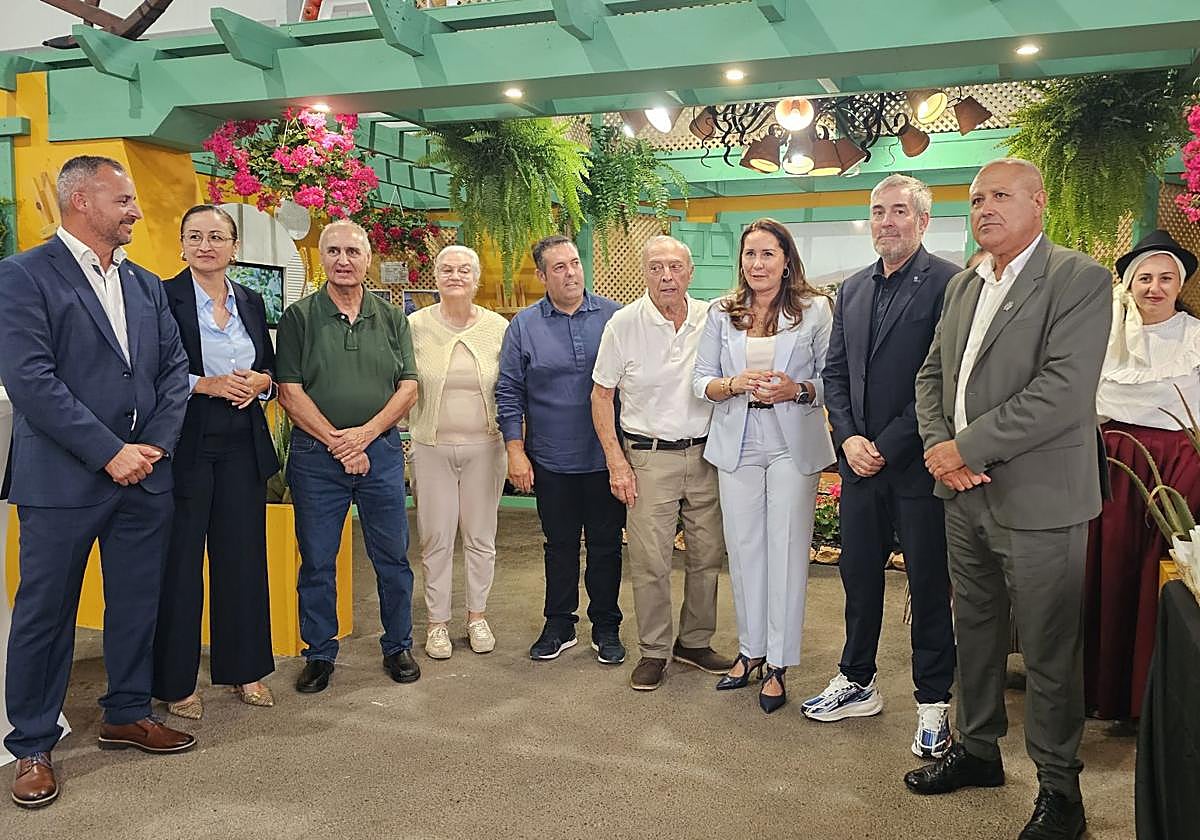
On-site visits by local government officials reflect the community’s commitment to this environmental project. Lola García, the President of the Cabildo of Fuerteventura, expressed her support by highlighting that the project embodies the island’s commitment to environmental preservation. She mentioned, “When we initiated this project, it was with a clear objective: to improve a habitat of immense ecological value. This action illustrates a model where tourism development harmoniously coexists with environmental safeguarding.”
Marlene Figueroa, the Tourism Minister for the Cabildo of Fuerteventura, echoed this sentiment by stating that such initiatives pave the way for sustainable tourism that respects what makes Fuerteventura unique. She noted, “Through the ‘Fuerte por naturaleza’ program, we are promoting projects that not only enhance our destination’s image but also yield a positive impact on the environment and on the quality of life for residents.”
Collaborative Efforts
Collaboration between various government bodies is vital for the success of this project. Alejandro Jorge, the mayor of Pájara, remarked on the cooperative efforts between the town hall and island officials to restore natural spaces for the benefit of local residents. He praised the naturalization of Saladar de Jandía as a long-awaited initiative not just for environmental recovery, but also for beautifying urban settings.
Project Phases
The project involves a well-structured approach divided into four distinct phases:
-
Removal of Outdated Infrastructure: The first phase focuses on the dismantling of the obsolete wastewater treatment plant, which has fallen into disrepair and contravenes conservation standards for the area.
-
Restoring Natural Elevation: The second phase will see the removal of excessive fill material, aiming to lower the land from its current height of 3.40 meters back to its natural 2.50 meters. Care will be taken to protect the existing vegetation’s root systems during this process.
-
Area Rehabilitation: The third phase entails rehabilitating the project area using sifted excavation soil to contour the terrain and create protective slopes.
-
Landscape Integration: Finally, the fourth step focuses on planting native species at the base of the slopes, using 104 indigenous plants such as Chenoleoides tomentosa (algoera), Salsola vermiculata (matabrusca), and Tetraena fontanesii (uva de mar), along with three examples of Tamarix canariensis (tarajal).
A Move Towards Sustainable Tourism
The ‘Naturalization of Saladar de Jandía’ is more than an environmental recovery effort; it stands as a symbol of the new direction for tourism in Fuerteventura—one that prioritizes ecological integrity and cultural heritage. As authorities work collaboratively, they are not only restoring a crucial natural habitat but also setting a precedent for sustainable tourism that aligns with the island’s natural and cultural identity. With such initiatives, Fuerteventura continues to pave the way for a future where tourism and conservation coexist harmoniously.