The Vital Role of Peace Judges in Spain: A Change on the Horizon
Meet Francisca Betancor: A Pillar of the Community
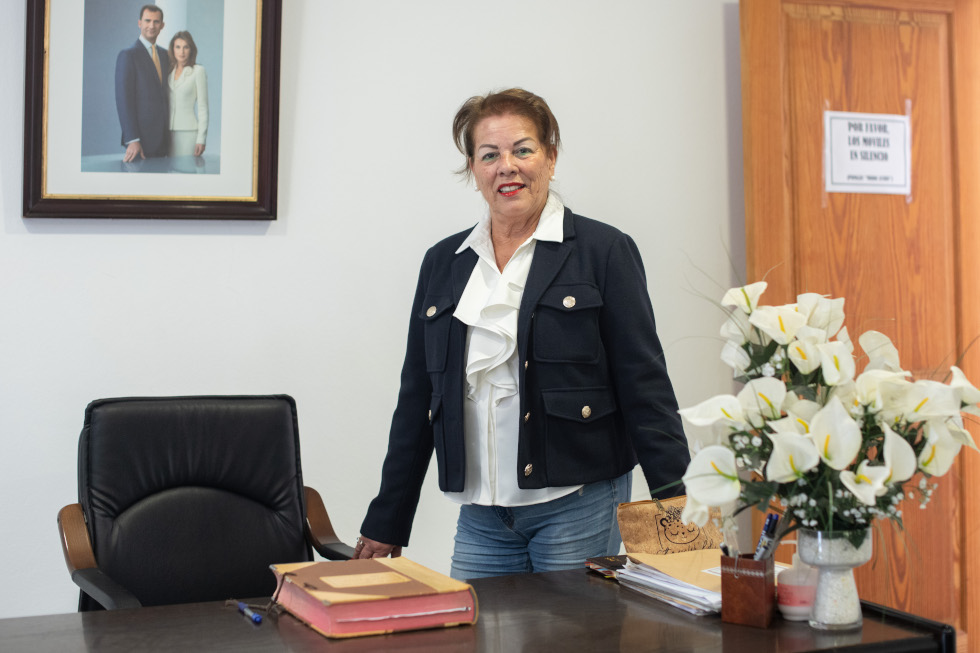
In the small municipality of Tuineje, located on the picturesque island of Fuerteventura, Francisca Betancor, affectionately known as Paca, begins her workday promptly at ten in the morning. For 29 years, she has dedicated her life to the role of peace judge, a position she embraced passionately after deciding to run for the role when the opportunity arose nearly three decades ago. However, her long-standing commitment is now overshadowed by a significant legislative change: the proposed Law of Organizational Efficiency, aiming to replace peace courts—a relic of the 19th century—with modern Justice Offices in municipalities.
A Historical Overview of Peace Courts
The roots of the peace courts can be traced back to 1885, established by a royal decree that mandated the appointment of a peace judge in any municipality with a town hall. The intent was to extend justice to rural areas, assigning responsibilities that had previously belonged to local mayors. Peace judges are elected by the municipal council and serve a four-year term, bringing judicial services closer to the community.
Fuerteventura’s peace courts are predominantly led by women, including Paca, who holds the title of the most senior peace judge on the island. Interestingly, Paca shares her birthday with International Women’s Day, a fitting coincidence for someone so dedicated to serving her community.
Responsibilities in a Changing Landscape
When Paca first took on her role, the responsibilities of a peace judge were far more extensive. Traditionally, they mediated community conflicts—especially regarding land disputes or minor offenses such as insults or threats. Today, however, the scope of their authority has diminished significantly, largely limited to administrative tasks such as assisting with civil registry matters, including recording births, deaths, and marriages.
Olimpia Suárez, a judicial secretary at the First Instance Court in Puerto del Rosario, notes the diminishing jurisdiction of peace judges. Once mediators in civil disputes, judges now find themselves engaging primarily in notifications and civil registry functions.
The Transformation of Judicial Services
The proposed transformation from peace courts to Justice Offices marks a pivotal shift in how judicial services are delivered in Spain. Currently, there are approximately 7,700 peace courts across the country slated to be restructured to better meet modern demands. The notion is not to eliminate these figures from the community but to reimagine their role, replacing the peace judge with a judicial manager who can facilitate documentation and streamline communication between residents and the judicial system.
Such changes could enhance accessibility for citizens, allowing them to file complaints or access legal information without the need for long-distance travel. This modernization aims to address not only the community’s needs but also reflects a growing demand for legal services that are more integrated with technological advancements.
The Emotional Aspect of the Role
Paca recalls fondly the many special moments she has experienced as a peace judge. From witnessing the joy of new parents registering the births of their children to officiating heartfelt weddings, these cherished memories fuel her dedication to her role. Fridays have become renowned in Tuineje as wedding days, where Paca crafts meaningful ceremonies that are observed with joy.
“I take pride in how I celebrate these occasions,” she says, noting that her commitment to the role has never been motivated by monetary gain. “I genuinely enjoy connecting with people.”
Community Perceptions and Concerns
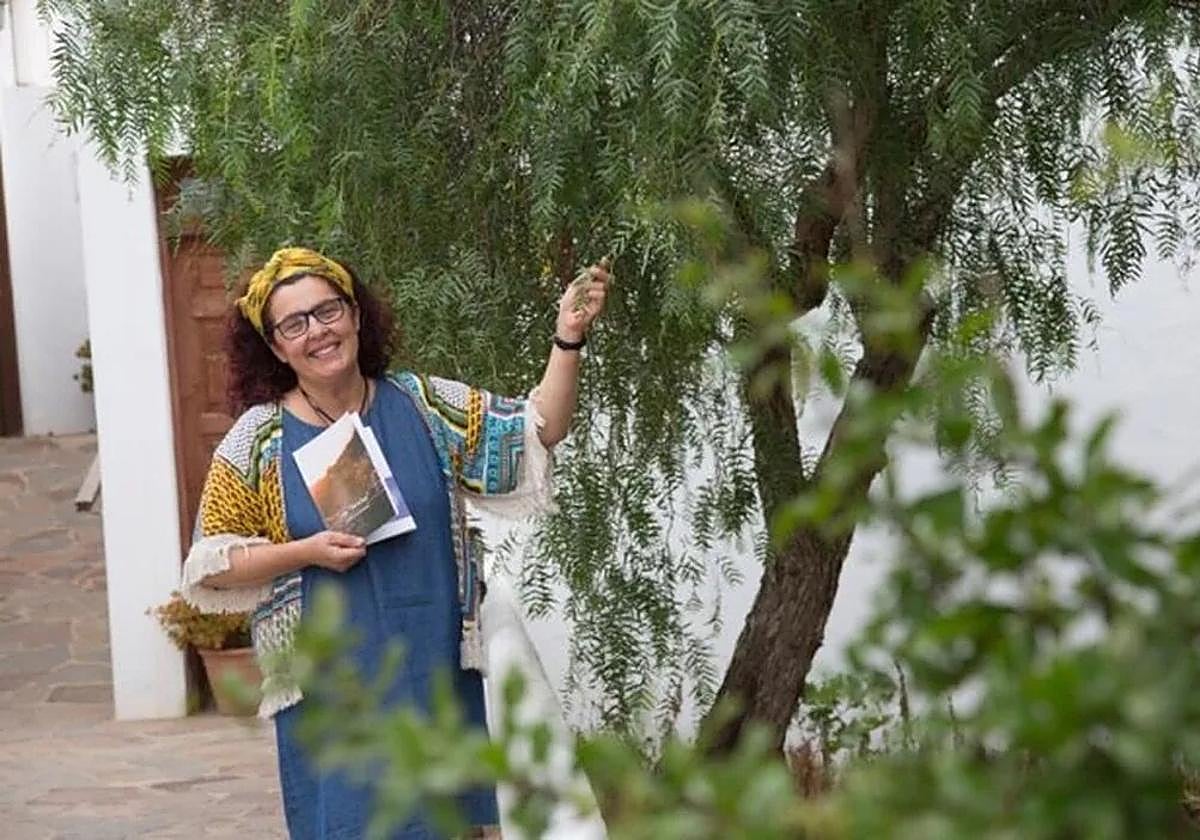
As the proposal for Justice Offices draws closer, sentiments within the community reflect a mix of hope and apprehension. Paca’s colleagues, such as Juana Brito, the peace judge of Betancuria, share concerns about the forthcoming changes. Juana, who stepped into her role last year, expresses pride in her position but worries about the possible erosion of the traditional peace judge’s role, which has offered familiarity and accessibility for community members.
Rosa, the judicial secretary in Betancuria, also voices concerns about the new structure, emphasizing the need for sufficient resources and technology to support the upcoming changes. The fear of being left “disenfranchised” resonates strongly among them.
The Path Ahead for Judicial Services
While the impending changes promise better integration of justice services, analysts like Olimpia Suárez emphasize that careful implementation is key. The transition should ensure both continuity of services and adaptation to changing legal landscapes. The potential for integrating technology into community legal services is viewed as a positive step forward but one that needs rigorous planning and execution.
Ultimately, the shift from peace judges to Justice Offices marks a significant turning point for local judicial services in Spain. As communities adapt to these changes, the essence of accessibility and community connection remains pivotal—principles that Paca and her colleagues have embodied throughout their years of service. They hope the transition will uphold the values they’ve championed, ensuring that justice remains close to home.