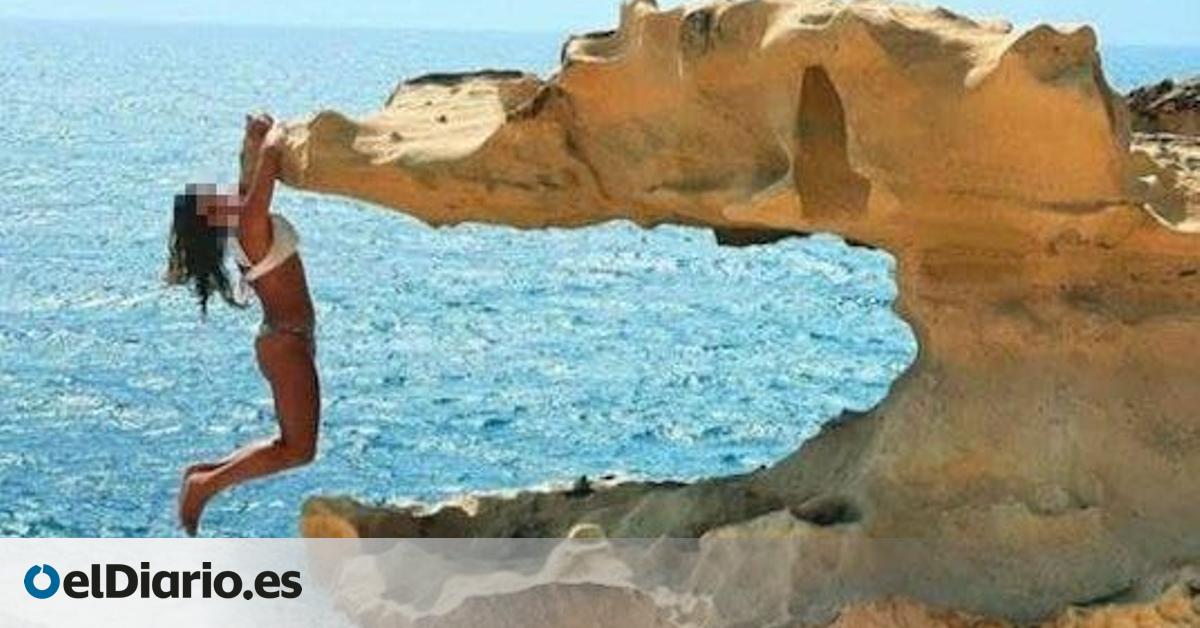
Imagine standing on a massive rock formation that looks like a crocodile’s head, with the azure sea sprawling behind you. This is exactly what some adventurous souls have been doing at the “Crocodile Rock” located on the coast of Jandía, Fuerteventura. Social media is aglow with striking images of daring individuals scaling this natural marvel, with captions like, “If we don’t do something crazy, life would be so boring.” While these snapshots may appear exhilarating and fun, they also paint a troubling picture of the risks involved.
The Fundación Telesforo Bravo Juan Coello is stepping in to raise concerns about these risky stunts, emphasizing the need for immediate action to protect both the geological integrity of the site and the well-being of visitors. Jaime Coello, the director of the foundation, expresses urgent fears regarding the “Crocodile Rock,” a place of considerable geological interest that is at risk of collapse due to its fragile nature. “For a photo, not everything is worth risking; it could eventually lead to accidents from a significant height,” he warns.
The foundation is composed of dedicated naturalists and geologists who aim to conserve the region’s natural heritage. They explain that the soil surrounding the Crocodile Rock is ancient and may derive from fossilized dune remnants. “This site recounts different geological processes that occurred thousands of years ago and bears significance from geological, geomorphological, paleontological, and scenic perspectives,” adds Coello, illuminating the rock’s intricate historical background.
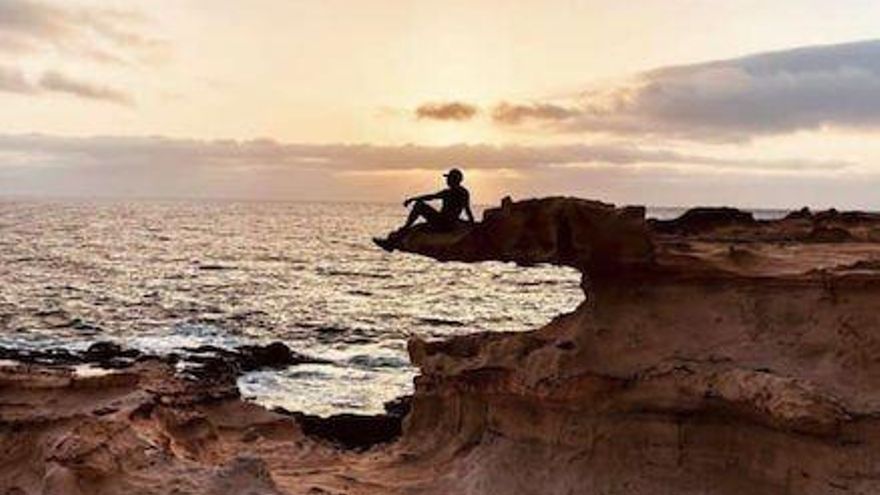
Beyond individual responsibility, the foundation is calling upon local authorities, specifically the Cabildo of Fuerteventura and the Pájara City Council, to take protective measures for the vulnerable ground. The area sees daily visitors, many of whom come specifically to capture the perfect photo on the rock. “Urgent measures must be taken. This can’t continue. We need to promote responsible behavior,” Coello insists, highlighting the role of government in conservation efforts.
In response, the regional Ministry of Environmental Sustainability has stated that awareness campaigns emphasize enjoying natural environments without leaving a trace and recognizing the fragility of the landscape. They are actively working on an upcoming campaign that will specifically address these behaviors, pointing out their incompatibility with environmental conservation.