Fostering Innovation in Fuerteventura: The Rise of Local Startups
Emerging businesses are reshaping the economic landscape of Fuerteventura, driving growth and opportunity.
In recent years, Fuerteventura has transformed into a burgeoning hub for startups, catalyzed by a unique blend of local talent and favorable economic conditions. Entrepreneurs are increasingly drawn to the island’s picturesque environment and supportive business ecosystem, giving rise to innovative ventures that are vital to the island’s economic revitalization. The surge in startup activity not only enhances job creation but also promotes diversification, making Fuerteventura less reliant on traditional sectors like tourism.
Key factors behind this entrepreneurial boom include access to funding through government initiatives and private investors eager to support cutting-edge ideas. Local accelerators and incubators have also sprung onto the scene, providing essential resources like mentorship, networking opportunities, and technical training. These initiatives cultivate a nurturing environment for startups, propelling local businesses into the global market and attracting attention from outside investors keen on tapping into emerging opportunities.
As the number of startups continues to rise, they are redefining the local economy and paving the way for sustainable development. Entrepreneurs in Fuerteventura are not only expanding their businesses but also fostering a culture of innovation, collaboration, and resilience. This vibrant atmosphere of creativity and entrepreneurship stands to ensure that Fuerteventura remains at the forefront of economic transformation, poised to lead in the post-pandemic recovery era.
Source: Gobierno de Canarias.
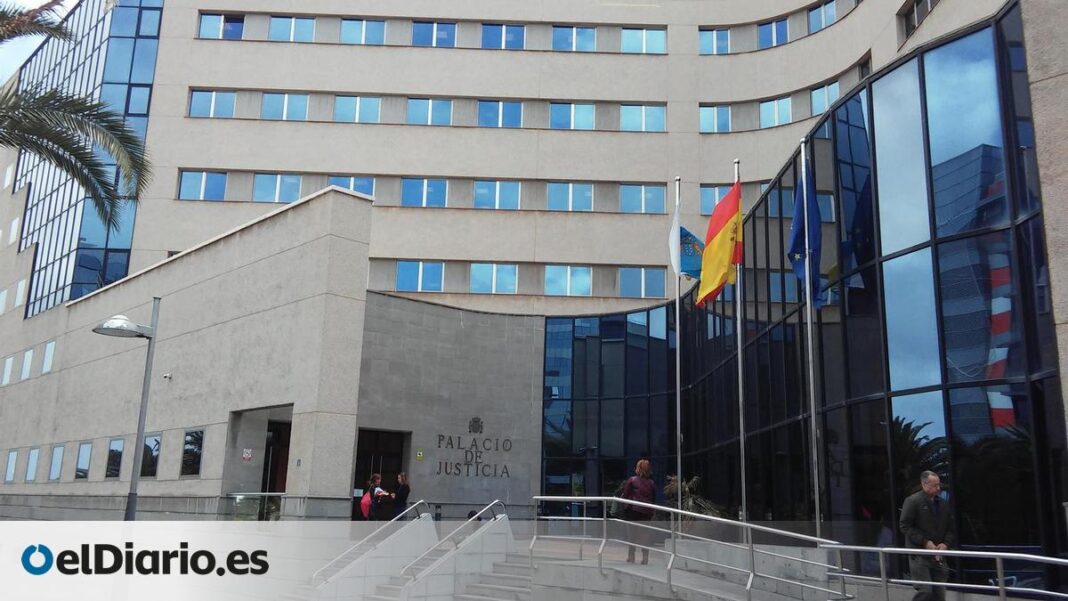
The Superior Court of Justice of the Canary Islands has ratified the sentence of four and a half years in prison and the payment of 134,600 euros to a real estate agent who appropriated the money for the expropriation of her home for the tram works. This person was homeless for a time until the municipal housing society of La Laguna (Muvisa) paid him a pension and finally gave him another 127,300 euros to buy a house, given his “special vulnerability” situation. On September 15, 2020, the accused obtained the representation of this person affected by the expropriation of his home in which he lived with his mother, of whom he was her legal guardian. The accused was authorized to manage everything related to this occupation, search for another habitable house and negotiate with Muvisa, the entity in charge of paying for the expropriation, according to the agreement established with the Cabildo of Tenerife. Through this authorization, the accused received a total of 155,500 euros into the bank account of the real estate company she owned as a deposit for the acquisition of the new house. The money was deposited gradually in different concepts, between 2020 and 2023, when the mother had already died. The defendant never acquired the new house and the man ended up having to live on the street, since the defendant dedicated the funds to personal uses that had nothing to do with the intended purpose despite the precarious state of health of the expropriated neighbor. Before the Superior Court of the Canary Islands, the defendant “expressly” acknowledged having received the money from Muvisa but alleged that there was never any intention to cause harm or keep the money but rather that she “confused” the funds with her assets due to her financial problems and planned to return them. The high court indicates that the Court effectively demonstrated in its ruling that all the requirements of the crime of misappropriation are met, for which a fine of 1,500 euros was also imposed. At one point, another person was in charge of getting her a home, but when the signing ceremony was carried out at the notary’s office, the defendant did not appear to cash in the funds that she should have kept. The excuse he offered is that he could not write the checks because he had suffered various seizures from the Treasury, when in reality this item barely amounted to 171 euros. Muvisa carried out several requests through different means that were responded to with excuses and delays, alleging that it was negotiating loans to repay what was appropriate. The public company temporarily relocated the man, first paying rent and then a pension, as his status was described as that of a “street or homeless” person, until he finally contributed another 127,300 euros in July 2023 and claimed the 134,600 euros. During the trial, the defendant assured that she had looked for a first home but that when they were going to grant her the deed, the expropriated person suffered an illness, losing the deposit, and that the purchase of a second home was also frustrated, so that when she tried to do the same with the third she had already spent the money. From then on, the defendant “wandered and made excuses” when she was required to provide the money and the financial institution confirmed to the Police that she cannot do so because the account lacks funds. The social worker said that she made up to twenty calls to him that he did not answer until she informed him via WhatsApp that she was in La Laguna with a friend who was a bank worker and “inappropriately” told him that she was foreclosed and that she did not plan to go to jail. He explained that the houses sought either had an exorbitant price or were uninhabitable, until he found one when the conflict had already reached the courts. The Police were able to verify that there were indeed three embargoes that barely amounted to 170 euros and the rest of the money had been appropriated by the real estate agent without knowing more details of its destination. During the trial, the woman did not answer the questions of the private prosecution and the Prosecutor’s Office and only answered her own lawyer.
Originally reported by www.eldiario.es, rewritten by the Fuerteventura Times AI Editorial Desk.