The Rescue of an Iconic Olive Tree: A Community Effort
A Disturbing Discovery
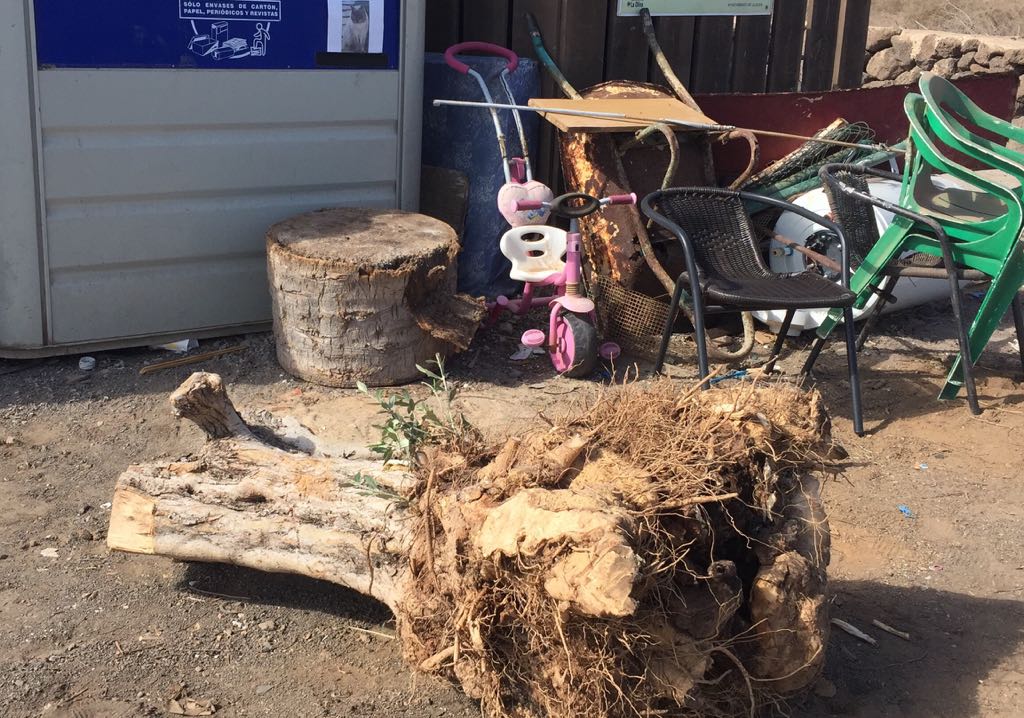
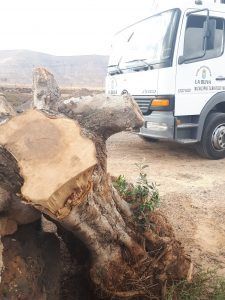
On September 20, 2017, a shocking sight awaited residents in Lajares, La Oliva, Fuerteventura: a large olive tree, a symbol of the area, was found discarded beside waste containers, severed from its roots. This distressing scene prompted immediate action from local authorities, who quickly recognized the urgency of the situation. The fallen olive tree was not merely a plant; it represented decades of history and community emotional ties.
The Authorities Step In
Juan José Gutiérrez, the Municipal Councillor for Parks and Gardens, reported that the council had received a call about the distressed tree. Upon inspecting the tree, they noted signs of life, indicating that it could still be salvaged. They decided to safeguard it overnight and sought the expertise of botanical specialists to help in its recovery, understanding that time was of the essence.
A Hero Among Us
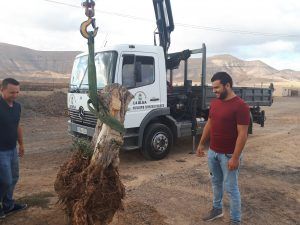
The discovery that triggered this rescue operation came from a conscientious local resident: journalist and activist Sofía Menéndez. Appreciating her sense of civic responsibility, Gutiérrez acknowledged both her commitment to social and environmental causes, as well as that of Oliver González, who maneuvered swiftly to collect and transport the damaged tree to a safer location for rehabilitation. It was a team effort that underscored the community’s shared values and attitudes toward its natural heritage.
A Call for Environmental Respect
Gutiérrez expressed his disappointment over the circumstances surrounding the olive tree’s condition. He lamented that such actions reflect a broader concern regarding respect for nature. The olive tree, estimated to be over fifty years old, held not just biological value but also cultural significance, as it is emblematic of La Oliva’s heritage. This particular tree was integral to the identity of the municipality, making its unfortunate fate all the more poignant.
The Cultural Significance of the Olive Tree
The very name “La Oliva” underscores the cultural importance of olives in the region. Unlike many place names in Fuerteventura that have pre-Hispanic origins, La Oliva derives its title from the Spanish term for olive, reflecting historical ties to agriculture and local customs. The first documented use of the name dates back to the 16th century, in archival notarial documents.
There’s speculation that the name may stem from the Spanish adaptation of the wild olive, known as acebuche, which thrived in Fuerteventura long before modern cultivation methods arrived. These trees formed essential parts of the local landscape, and remnants of these ancient trees can still be found today.
Future of the Olive Tree
In a hopeful statement, Juan José Rodríguez announced that if the olive tree could be successfully rehabilitated, it would be replanted within the public spaces of La Oliva, ensuring it would continue to serve as a natural landmark for all residents to enjoy. The transformation of this botanical life into a part of community parks would not only symbolize recovery but also represent a commitment to preserving the environment.
In Closing
The incident surrounding the olive tree serves as a reminder of the relationship between communities and nature. The collaborative effort that went into rescuing this tree exemplifies how individuals and local authorities can come together to preserve their history and protect the environment. The olive tree lives not just as a plant but as a testament to community spirit, history, and the commitment to ensuring a sustainable future.