Tackling Invasive Species: The Saltwater Inundation Initiative at Saladar de Jandía
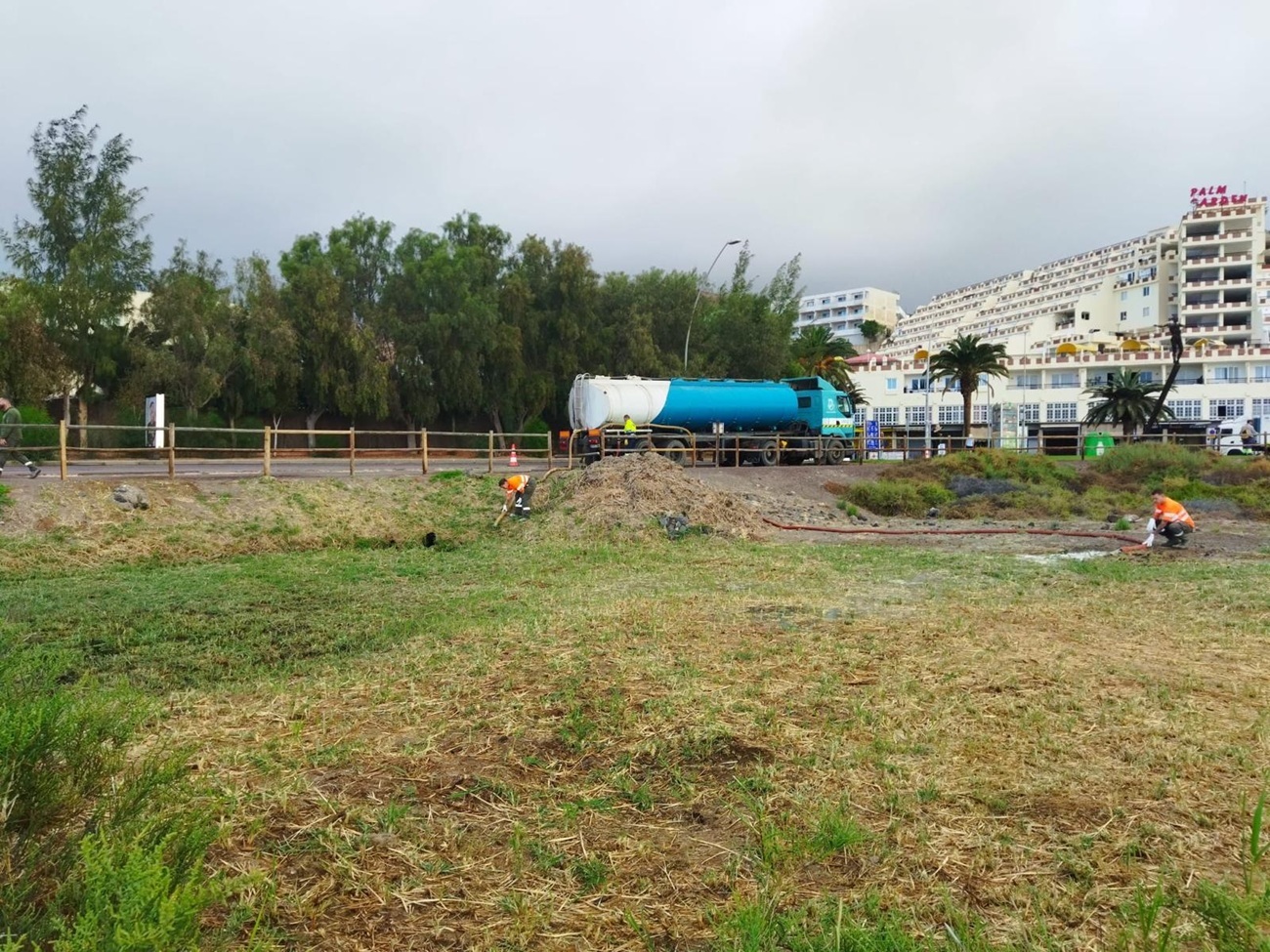
In a pioneering move to combat the issue of invasive species, the Fuerteventura Cabildo has embarked on an ambitious project at the Saladar de Jandía. This initiative, executed in conjunction with the Environmental and Works Services, focuses on inundating an area of approximately 1,200 square meters with saltwater. This key action is designed to tackle the invasive plant species known as Arundo donax, commonly referred to as giant reed, which has been encroaching upon this ecologically vital habitat.
A Strategic Approach to Invasive Plant Control
The project is part of the broader ‘Fuerteventura, bonita por naturaleza’ program, aimed at enhancing the natural beauty and ecological integrity of the island. By subjecting the rhizomes of Arundo donax to saltwater, the Cabildo hopes to suffocate the underground stems of the plant, thereby controlling its relentless spread. This method represents a significant qualitative leap in strategies for managing invasive species in scientifically protected areas like the Saladar de Jandía.
The Urgent Need for Intervention
The presence of Arundo donax poses substantial risks not just to the native ecosystem but also to local communities. This invasive plant can disrupt the natural flow of water and is known to create dense colonies that can reach heights of six meters. Such growth threatens to flood nearby urbanizations and tourist establishments, making the urgency of this pilot project clear. The risk of ecological imbalance is not merely an environmental concern; it also has practical implications for local commerce and tourism.
Implementing the Saltwater Solution
Conducted with the assistance of Gesplan, the pilot experience will involve the application of approximately 75 cubic meters of saltwater. The expectation is that by inundating the area, the Arundo donax will be deprived of oxygen, thus effectively limiting its growth and spread. Prior efforts have included regular cutting and clearing of the giant reed, but these methods have proven insufficient against its vigorous proliferation.
A Protected Natural Treasure
The Saladar de Jandía stands out as a crucial ecological asset in Fuerteventura, recognized as the most significant wetland in the Canary Islands. Established as a protected area in 1994, it aims to preserve the unique halophytic shrubland ecosystem, which is specially adapted to thrive in saline environments. This community of flora can withstand seasonal inundations caused by high tides, making it a unique ecological feature of the archipelago.
The Role of Tides in Ecosystem Health
The dynamic relationship between the sea and the land at Saladar de Jandía is particularly interesting. During high tides, areas well inland from the coastline can become submerged, creating shallow saltwater pools that gradually evaporate under the sun, forming distinctive salt flats. These natural occurrences underscore the importance of maintaining a delicate balance within this ecosystem, a balance that is increasingly threatened by invasive species like Arundo donax.
Community and Ecosystem Resilience
The initiative garners support from various stakeholders, including local government representatives like Lola García, the President of the Cabildo, who emphasizes the strategic importance of this pilot project in mitigating the impact of invasive species. Alongside her, Infrastructure Councillor Blas Acosta highlights the potential ecological risks posed by unchecked reed growth. The project not only aims to protect the local ecosystem but also to ensure the safety of urban areas against the threat of flooding.
Path Forward in Conservation
As conservation efforts continue at the Saladar de Jandía, the implications of this pilot project extend beyond immediate environmental concerns. The approach illustrates a commitment to smarter, more adaptable conservation practices that prioritize both natural ecosystems and human communities. By addressing the threat posed by Arundo donax, the Cabildo of Fuerteventura sets a precedent for addressing similar ecological challenges in other areas, potentially leading to sustained environmental health and community resilience in the face of invasive species.