The COVID-19 Situation in La Gomera: A Unique Case of Resilience
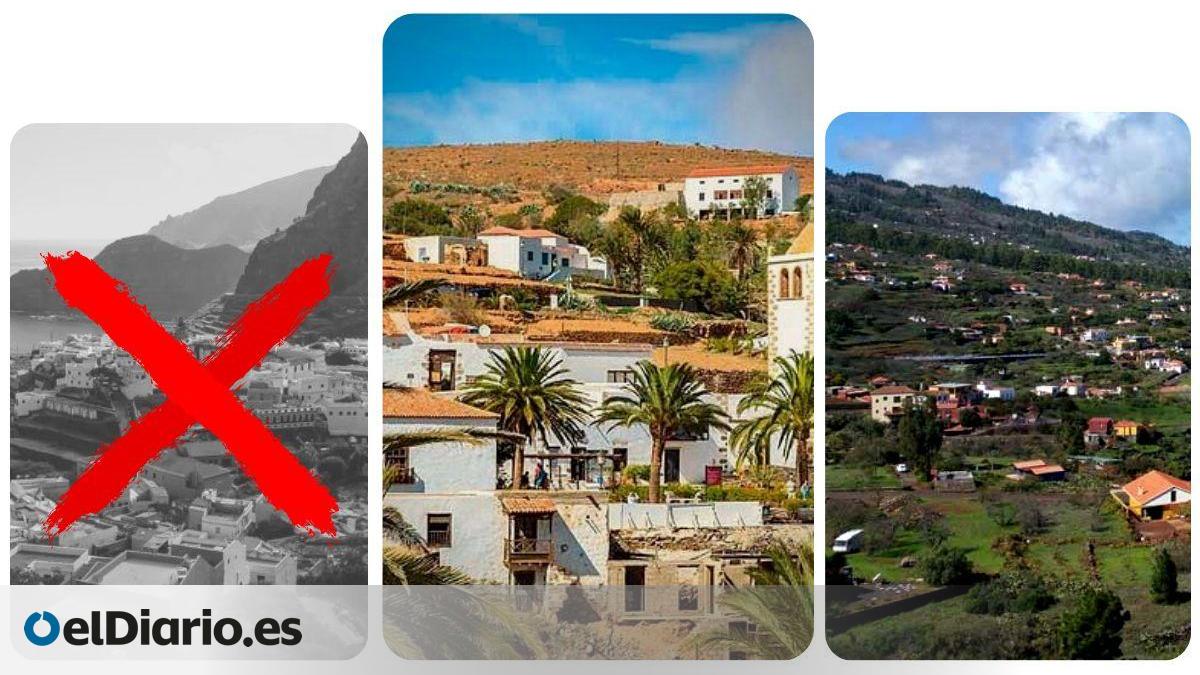
La Gomera, one of the lesser-known islands in the Canary Islands archipelago, has been lauded for its remarkable handling of the COVID-19 pandemic. Nestled amidst breathtaking rugged cliffs and deep ravines, the small municipality of Agulo stood out as one of the few bastions free from the virus until July 8, 2023.
The First Case in Agulo
On that fateful day, a man in his thirties tested positive for COVID-19, ending Agulo’s status as a safe haven. This case joined the ranks of the 270 infections reported in La Gomera since the pandemic began. Interestingly, this island was the site of Spain’s first confirmed COVID-19 case back in late January 2020, when a German tourist fell ill while vacationing.
Demographics and Geography of Agulo
With a population of just 1,096 residents—the second smallest in the Canaries—Agulo is situated between its neighboring towns of Hermigua and Vallehermoso. It is also enveloped by natural beauty, safeguarded by both the Garajonay National Park and the Monumento Natural de Roque Blanco. These geographical features not only enhance the island’s charm but have also played a crucial role in its unique epidemiological situation.
Other COVID-Free Municipalities
Following Agulo’s positive case, only two other municipalities in the Canary Islands, Betancuria in Fuerteventura and Puntagorda in La Palma, remain untouched by the virus. Betancuria, home to a mere 758 residents, is nestled in the rugged interior of Fuerteventura, while Puntagorda, situated on the northwest of La Palma, has a population of around 2,110. Both areas exhibit similar attributes, such as low population density and challenging terrain, aiding in their defense against the virus.
The Impact of Geography
What makes these municipalities particularly resilient against COVID-19? One key factor is their geography. The natural barriers surrounding these areas serve as a protective shield against potential outbreaks. In Fuerteventura, Betancuria is encircled by the Betancuria massif, a formidable landscape that discourages easy accessibility. In contrast, Puntagorda is separated from neighboring municipalities by steep ravines, significantly limiting external contact.
Current Health Alerts and Restrictions
While these municipalities may be free from the virus, they are not entirely insulated from health restrictions. Just like the rest of the Canary Islands, residents face varying levels of alert status that impose certain limitations. Currently, Fuerteventura is classified at a level 2 alert due to rising case numbers, with discussions underway about possibly elevating to level 3. La Palma is experiencing similar challenges, prompting community calls for stricter measures.
Common Features of Resilience
Aside from geography and low population density, the lifestyle and community practices in these regions may also contribute to their overall resilience. Close-knit communities often adhere to social norms that promote health and safety, making it easier to follow guidelines established by health authorities. Additionally, the cultural inclination towards outdoor activities in natural settings could facilitate better mental health and well-being among residents.
Lessons for the Future
The experiences of Agulo, Betancuria, and Puntagorda provide valuable lessons for other communities worldwide. The combination of geographical advantages, smaller populations, and an engaged citizenry can significantly mitigate the spread of infectious diseases. Even as circumstances change, these elements will continue to shape how these communities respond to public health challenges in the future.
Through these lenses, we can gain insights into the ongoing fight against COVID-19, the cultural fabric that holds these communities together, and the natural beauty that envelops them. The story of La Gomera is not just about numbers; it’s a testament to human resilience and the power of place.