A Celebration of Faith and Tradition: The Pilgrimage to Nuestra Señora de la Peña
Every third weekend of September, Fuerteventura transforms into a vibrant hub of devotion and cultural heritage as thousands of pilgrims gather in Vega de Río Palmas. This annual event honors Nuestra Señora de la Peña, the beloved patroness of the island. From dawn till dusk, the paths leading to the sanctuary are teeming with men and women making their way to pay tribute to the Virgin.
The Traditional Romería-Ofrenda
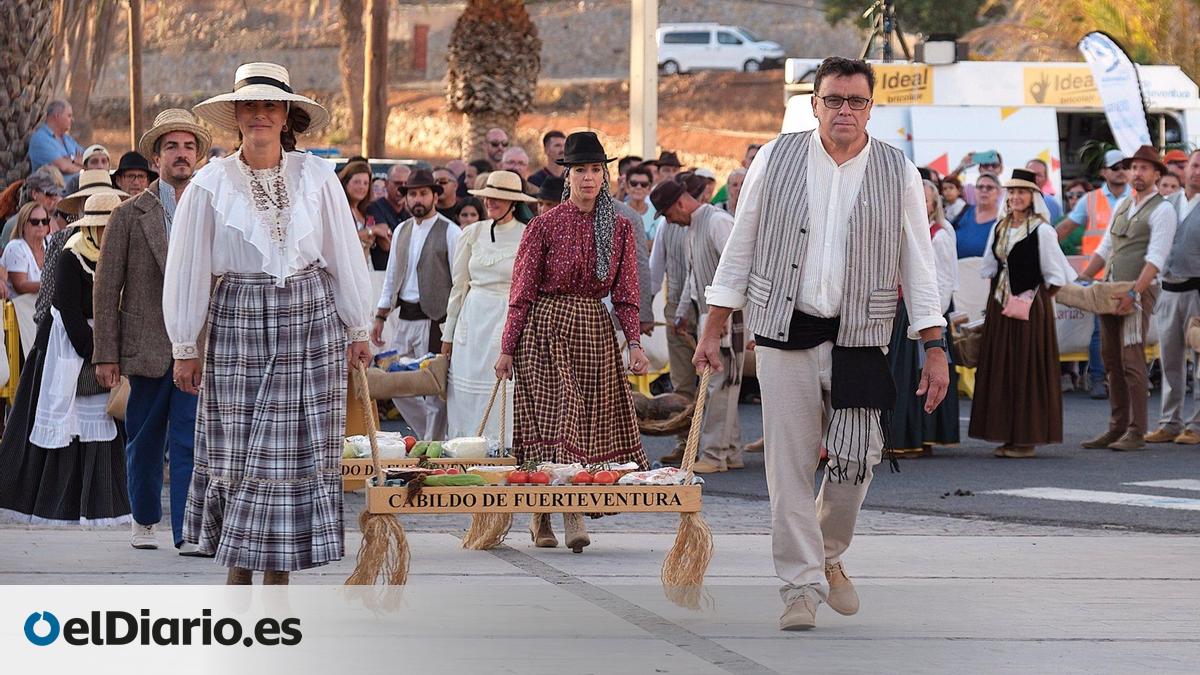
This year, the festivities kicked off with the traditional Romería-Ofrenda on a Friday afternoon. The event saw a robust institutional presence from the Cabildo de Fuerteventura and representatives from all six municipalities of the island. Pilgrims, dressed in traditional attire, set off from Majada la Vieja at 5:00 PM, where the beautiful surroundings of the Pinar de Betancuria provided a picturesque backdrop for the journey. The sounds of folkloric groups, as well as joyful melodies from the rondallas, filled the air. A total of seven decorated carts, each representing a municipality and the Cabildo, added to the festive atmosphere.
The Heartfelt Offerings at the Sanctuary
Upon reaching the Ermita de la Vega de Río Palmas, the pilgrims partook in the cherished tradition of offering gifts to the Virgin. The first to present their offerings were the grandchildren of Vicente Hernández Santana, a prominent local shepherd who has participated in this ceremonial act for over twenty years. Such personal connections to the offerings highlight the deep-rooted traditions that bind the community together.
Honoring Local Culture and Heritage
Among the pride of the parade was the cart from the Cabildo de Fuerteventura, which was led by Lola García, the island’s president, and Manuel Miranda, the Canary Islands’ Government Security and Emergencies advisor. Here, the cart celebrated the integral role of goats and goat cheese in Majorero culture, a livelihood that has sustained islanders for generations. This homage speaks volumes about the agricultural roots of Fuerteventura, echoing tales from the time of conquest.
Historical Context of Farming Traditions
Historical accounts from Norman chronicles reveal that the majos, the indigenous people of the island, depended heavily on livestock, particularly goats. With over 60,000 goats populating the island, their milk, cheese, and meat formed the bedrock of local diets. Additionally, traditional ranching practices, such as apañadas, gambuesas, and branded cattle, continue to resonate in contemporary island life, preserving essential aspects of Fuerteventura’s agrarian heritage.
Celebrating Milling Traditions
The Ayuntamiento de Betancuria also showcased a cart that paid homage to the municipality’s rich milling traditions. Led by Mayor Marcelino Cerdeña and supported by the Cultural Association Morro de la Cruz, this cart reflected on the historical significance of water mills in the area—an element that became synonymous with Fuerteventura as it evolved into the granary of the Canary Islands in the late 17th century.
A Collective Effort for Cultural Recognition
The remaining carts were equally spectacular, each representing different municipalities. The Asociación de Mayores Zona Centro de Antigua, parranda Muelle Nuevo from Tuineje, Agrupación Folclórica de La Oliva, Agrupación Folclórica de Tetir from Puerto del Rosario, and the rondalla Los Mantequilla from Pájara each contributed their unique flavor to the festivities. Together, they not only participated in the pilgrimage but also helped elevate the cultural tapestry of this beloved event.
As the pilgrims journey to the sanctuary, they carry with them not only their offerings but also the stories and traditions of Fuerteventura—a living testament to a community connected through faith, history, and shared heritage.