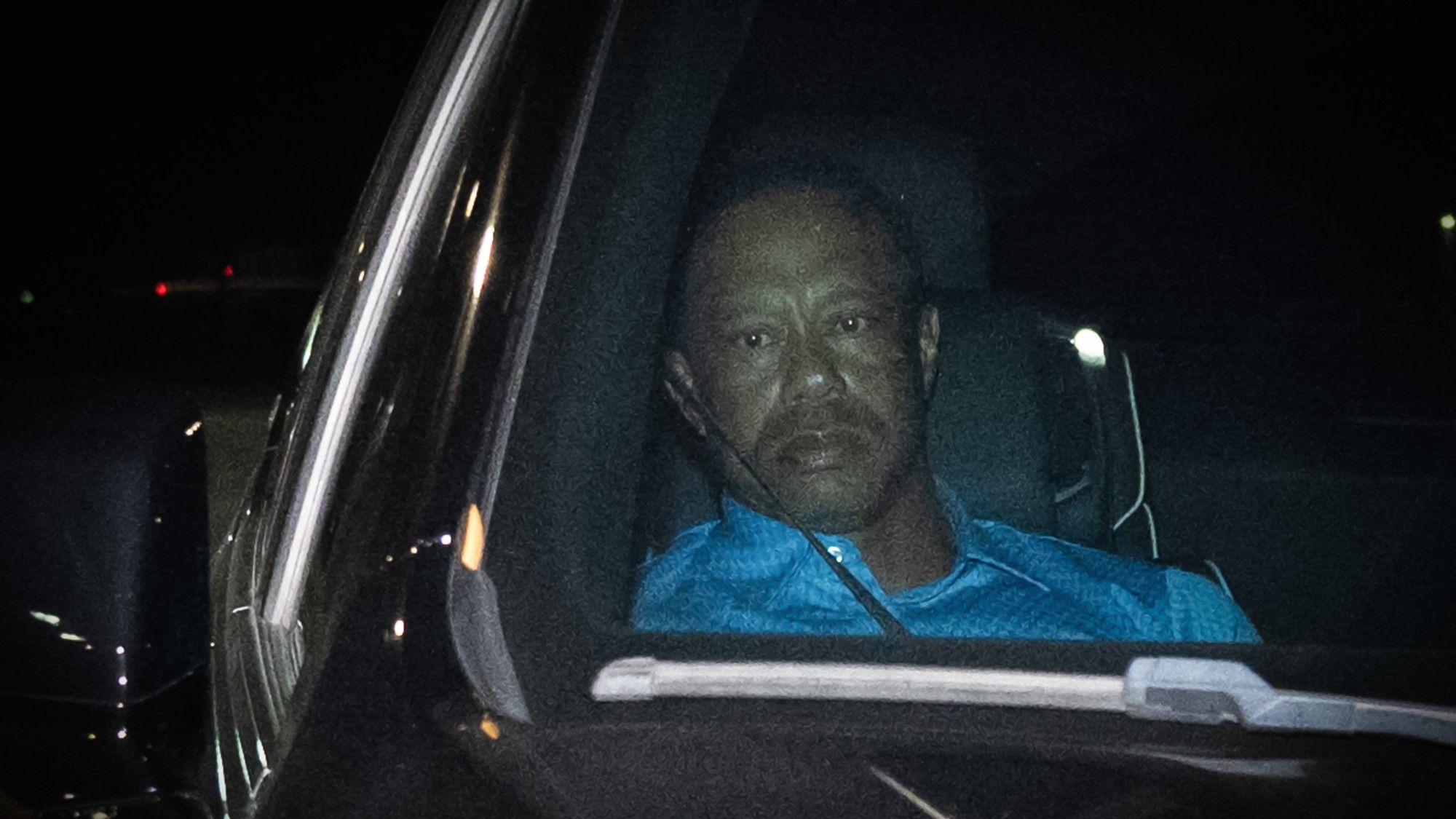
The Tragic Tale of Tiger Woods
Tiger Woods, a name synonymous with golf greatness, has captivated audiences for decades. However, his journey has been marred by personal struggles and public scrutiny, leading to what many now refer to as a tragic tale. Jason L. Riley, writing for The Wall Street Journal, raises poignant questions about Woods’ recent car accident, pondering why the legendary golfer continues to drive himself—both literally and metaphorically—when his legacy is already secure.
The Weight of Legacy
Woods’ legacy is monumental. With 15 major championships and a career that has inspired countless fans and aspiring golfers, he has achieved what many only dream of. Yet, as Riley points out, the question remains: why does Woods feel the need to keep pushing himself? The pressures of being a public figure can be overwhelming, and for athletes like Woods, the expectations can feel insurmountable.
Despite his accolades, the internal battles that Woods faces are akin to those of any individual grappling with personal demons. The relentless pursuit of perfection can lead to a cycle of stress and anxiety, which often manifests in physical and emotional challenges. Woods’ recent accidents serve as a stark reminder that even the most celebrated athletes are not immune to the struggles of life.
The Human Side of Athleticism
Professional athletes often appear invincible, showcasing extraordinary skills and resilience on the field. However, behind the scenes, they grapple with the same issues as the rest of us. The pressure to perform, maintain public image, and deal with personal issues can create a heavy burden. Woods, in particular, has faced a series of challenges, from injuries to personal scandals, that have taken a toll on his mental and physical health.
Riley emphasizes that the perception of hero athletes handling pressure effortlessly is misleading. The reality is that they, too, face inner demons. Woods’ journey illustrates the complexities of fame and the toll it can take on one’s well-being. The public often forgets that behind the accolades lies a human being who experiences pain, doubt, and vulnerability.
The Role of Public Perception
Public perception plays a significant role in the lives of athletes. For Woods, the scrutiny has been intense, especially following his highly publicized personal issues and injuries. Each misstep is magnified, and the pressure to maintain a flawless image can be suffocating. This relentless spotlight can lead to poor decisions, as seen in Woods’ recent car accidents.
The media’s portrayal of Woods has oscillated between adoration and condemnation, reflecting society’s tendency to build up heroes only to tear them down. This cycle can exacerbate the struggles faced by athletes, making it difficult for them to navigate their personal lives while under constant observation.
The Importance of Mental Health
Woods’ story underscores the critical importance of mental health, particularly in high-pressure environments like professional sports. The stigma surrounding mental health issues often prevents athletes from seeking help, leading to a dangerous cycle of isolation and despair.
Riley’s observations highlight the need for a more compassionate understanding of athletes as individuals. Recognizing that they are not just entertainers but also human beings with emotions and vulnerabilities can foster a healthier dialogue around mental health in sports.
The Future of Tiger Woods
As Woods continues to navigate his personal and professional challenges, the question remains: what does the future hold for him? Will he find a way to reconcile his drive for excellence with the need for self-care? The hope is that Woods can learn to prioritize his well-being, allowing him to enjoy the fruits of his labor without the weight of expectation.
In the end, Tiger Woods’ tale is a reminder that even the greatest among us are not immune to life’s trials. His journey serves as a powerful narrative about resilience, the importance of mental health, and the complexities of fame. As fans, we can only hope for his healing and growth, both on and off the golf course.

