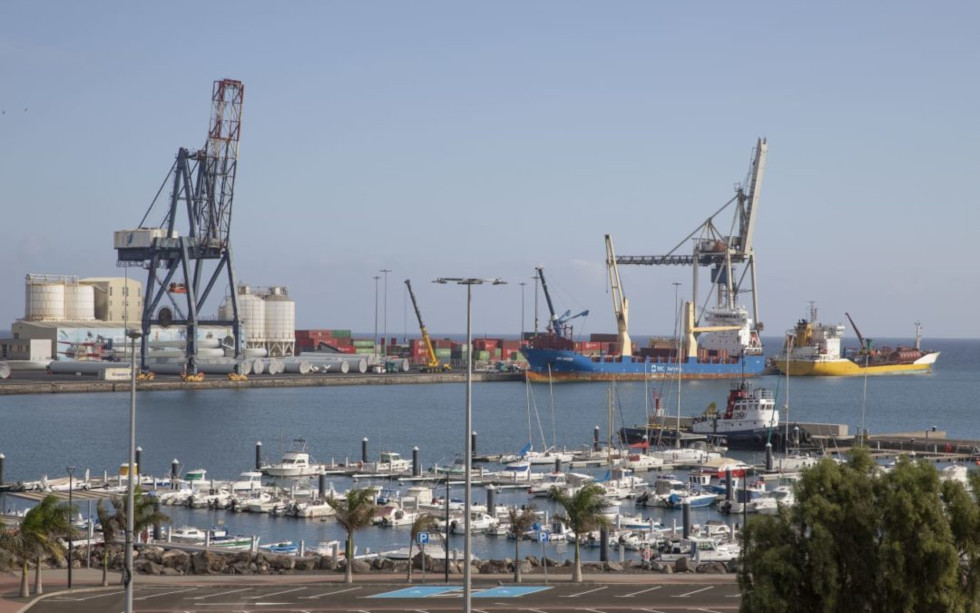
Challenges in Maritime Connectivity: Fuerteventura’s Struggles
An Overview of the Situation
Asamblea Majorera–Coalición Canaria Fuerteventura has recently raised alarms regarding a significant lapse in maritime connectivity between Cádiz and Puerto del Rosario. The organization highlights the lack of response from the Spanish Government concerning this critical maritime route. The implications of this absence are profound, threatening the very fabric of connectivity for Fuerteventura not just with mainland Spain but also with the rest of the Canary Islands.
The Impact of Increased Transportation Costs
In addition to the loss of the Cádiz–Puerto del Rosario maritime line, there has been a dramatic increase in inter-island transport costs. The connection between Fuerteventura and Gran Canaria has seen costs surge by an alarming 78%. Previously, transporting cargo along this route would cost 46.28 euros; it now skyrockets to approximately 82.40 euros. This escalating cost severely affects businesses reliant on regular shipments of goods, as the added financial burden eventually trickles down to consumers.
The Double and Triple Insularity Challenge
The situation for the residents of Fuerteventura is exacerbated by what is referred to as double or even triple insularity. The elimination of the Cádiz route has increased Fuerteventura’s dependence on other islands such as Lanzarote and Gran Canaria for logistical needs. The current system is far from efficient: for instance, goods arriving in Lanzarote necessitate a complex transfer to Fuerteventura via Playa Blanca and Corralejo, a journey complicated by tight timelines and logistical hurdles.
Consequences for Local Businesses
The ramifications of increased transport costs and reduced maritime routes heavily weigh on local businesses. Companies in Fuerteventura often depend on frequent transport for receiving goods, and the new expenses incurred significantly hamper their competitiveness. A surge in transport costs, in turn, leads to a rise in product prices, affecting everyday consumers in a tangible way.
Political Response and Advocacy Efforts
The discontent surrounding this maritime disruption prompted a response from the Canary Islands’ Parliament, which, in June, passed an initiative aimed at reinstating the Cádiz–Puerto del Rosario line. Additionally, officials from both the Government of the Canary Islands and the local government in Fuerteventura have reached out to the Ministry of Transport and the Directorate General of Merchant Marine. Unfortunately, they have yet to receive any acknowledgment or response from these agencies.
The Strategic Importance of Puerto del Rosario
The Port of Puerto del Rosario has historically served as a pivotal node for the transportation of goods, surpassing 1.5 million tons of cargo throughput in recent years. Losing such connectivity would not only diminish its role but could significantly harm the economic prospects of Fuerteventura, a non-capital island that already faces various structural challenges due to its insularity.
Dealing with Contractual Issues
Federal and local authorities are raising alarms about the lapse in the Public Service Obligation contract with the shipping company Armas Trasmediterránea, which is essential for maintaining regular services. As of June 30, 2026, this contract will have concluded, following an extraordinary one-year extension, leaving a significant void in maritime services unless immediate measures are taken.
Collective Appeals for Maritime Solutions
In light of these developments, the mayor of Puerto del Rosario, David de Vera, and the president of the island’s council, Lola García, have voiced their concerns about the reduced connectivity resulting from the loss of the maritime route. Their efforts culminated in a recent meeting with the Port Authority of Las Palmas, where they urged the recovery of a direct maritime link between Fuerteventura and the mainland—a request echoed by the regional community emphasizing the urgent need to restore transportation links that are vital for social and economic well-being.
In summary, the plight of Fuerteventura showcases a complex interplay of economic, logistical, and political dynamics that highlight the lasting effects of maritime connectivity on island communities. The situation underscores the importance of responsive governance and strategic infrastructural planning for regions significantly affected by their geographic realities.