Community Engagement in Telecommunications: The Case of Antigua’s Mayor Meeting
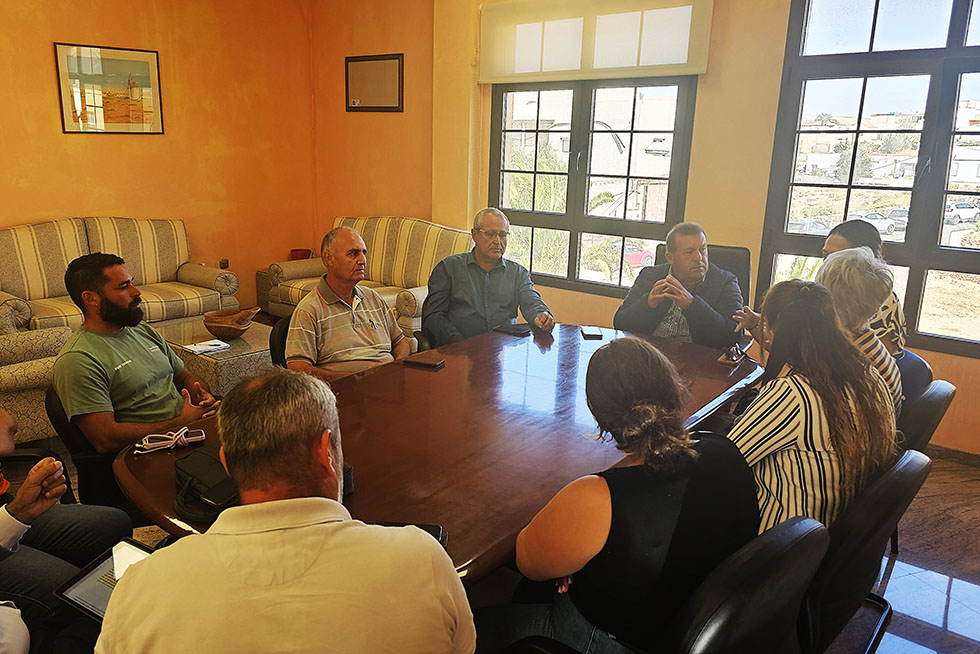
On the afternoon of Tuesday, October 7th, Mayor Matías Peña García gathered with representatives from the local neighborhood platform to address a pressing issue that has been on the minds of many residents: telecommunications coverage in the town of Antigua. This meeting was not just a routine occurrence; it marked a pivotal step towards enhancing communication infrastructure in the community.
The Importance of Coverage
During the meeting, Mayor Peña emphasized the undeniable need for improved telecommunications coverage. “Coverage is necessary and is not up for debate,” he stated firmly. His assertions stem from both legal obligations and a moral responsibility to ensure that all residents can access reliable communication services. This is not only about convenience; it also impacts the commercial sector and the overall safety of the town.
The mayor highlighted that a robust communication network is essential for several critical reasons. For instance, it supports commercial activities, enabling local businesses to operate effectively. Moreover, it plays a vital role in the emergency response framework, especially for vulnerable populations such as the elderly or individuals with mobility challenges. The existing framework, including programs like VioGén—which focuses on the protection of people at risk—relies heavily on accessible communication networks.
Engaging with Totem: A Collaborative Approach
The meeting also served to reaffirm the willingness of the installation company, Totem, to actively collaborate with the community. Mayor Peña revealed that the company is prepared to meet with residents to discuss the varying parameters and measures that adherence to local regulations necessitates. This collaborative approach aims to foster trust and transparency between the community and the telecommunications provider.
“Community concern is paramount,” the mayor noted, recognizing the valid worries of locals regarding the placement of telecommunications infrastructure. It’s not just about technology; it’s about ensuring that the installation considers the well-being and preferences of residents. The involvement of Totem in these discussions is crucial, as it allows for a thorough exploration of various potential sites for the new telecommunications towers.
Location Selection: Balancing Technical Needs and Community Impact
One of the focal points of the discussions is the location of the new telecommunications infrastructure. Mayor Peña brought attention to the need for meticulous consideration regarding where to place these essential structures. “We are studying different possible locations—both public and private,” he explained, reinforcing the necessity of adhering to technical parameters that would provide optimal coverage for the entire town.
The mayor and the representatives of Totem are not only weighing the functionality of potential sites but are also taking into account community feedback to minimize disturbances. This dual focus underscores a modern approach to urban planning, where the voices of residents are integral to decision-making processes.
Next Steps: Open Communication
As part of this ongoing dialogue, Totem will be engaging with the neighborhood platform to explain the criteria used to evaluate different locations for the towers. This engagement is intended to empower residents with knowledge about the variables that affect site selection, ultimately guiding the community towards making a well-informed decision about the best locations that balance effectiveness with minimal disruption.
This proactive stance by the mayor and the telecommunications provider marks a significant development in how local governance can effectively respond to the needs of its community. By prioritizing open communication and collaboration, they aim to lay a groundwork for not just immediate solutions but for long-term improvements in Antigua’s connectivity landscape.