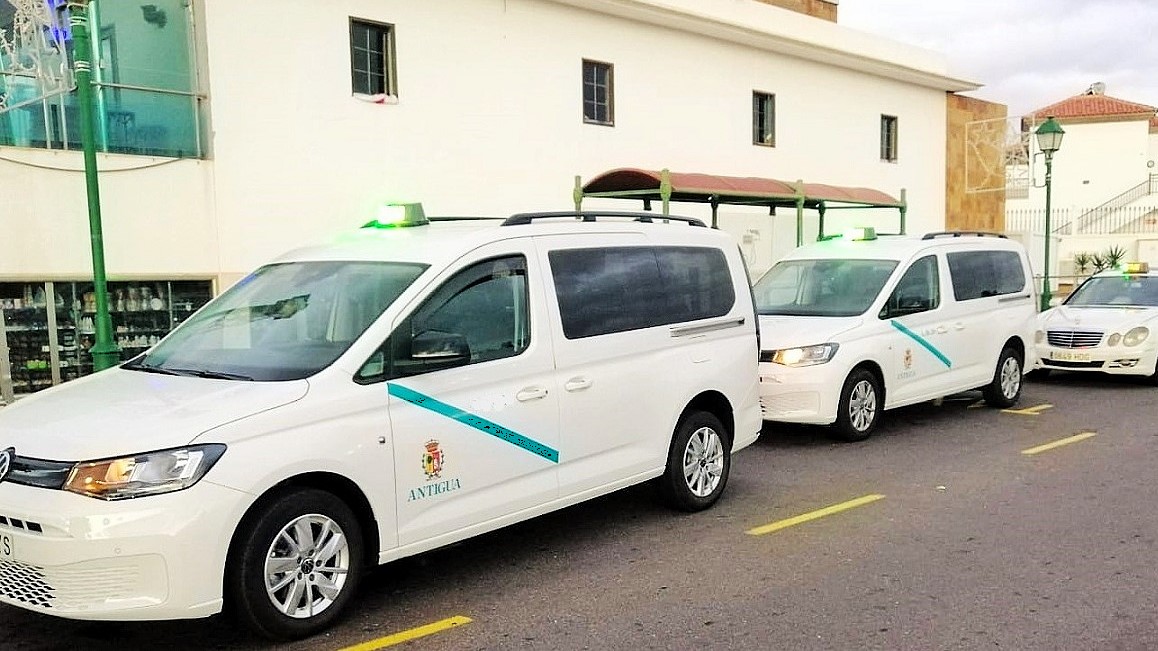
New Taxi Licenses in Antigua: A Step Towards Better Transport Solutions
The local authorities in Antigua made a significant announcement this past Saturday, shedding light on the allocation of ten new taxi licenses within the municipality. This development follows two years of extensive municipal procedures and negotiations between the town council and the taxi sector, marking a notable milestone in local government initiatives.
Mayor’s Perspective
Mayor Matías Peña emphasized the progression of this initiative, affirming that the licensing process is now in its final stages. He explained that the necessary permissions from both regional and island governments have been successfully obtained, paving the way for the subsequent publication of the adjudication bases in the official Bulletin of the Province (BOP) two months ago. The mayor’s excitement highlights a commitment to improving transportation services and enhancing accessibility for residents and visitors alike.
The Cabildo’s Role and Comments
In a recent announcement, the Cabildo brought forth a “unblocking” of 25 taxi licenses across the island, which included the newly allocated licenses in Antigua. However, Mayor Peña and his administration responded by downplaying the significance of the Cabildo’s announcement. Peña pointed out that the municipality had already secured all necessary permissions, positioning Antigua’s licensing process as more advanced than what was suggested by the Cabildo’s comments.
Luis González, the Cabildo’s Transportation Councillor, quickly clarified what he perceived as a misunderstanding. He stated that while local authorities may conclude their license allocation processes, the final authorization for taxis to commence operations rests with the Cabildo. This distinction is crucial as it underscores the interconnectedness of municipal and regional governance in effectively regulating and managing taxi services.
An Illustrative Case: Puerto del Rosario
To underscore the complexities of this situation, González referenced the case of Puerto del Rosario, where the municipal government had successfully allocated nine taxi licenses adapted for individuals with reduced mobility. Despite having completed this local procedure, these vehicles are unable to operate until they receive final approval from the island institution. This example serves to highlight the fraught relationship between local licensing efforts and the overarching authority of the Cabildo.
The Importance of Collaborative Agreements
This discussion brings to light the collaborative efforts between the Cabildo, the Canary Islands Government, and the Taxi Federation to resolve ongoing licensing challenges. Their agreement, detailed in a report by the technical services of the Directorate General of Transport, aids in interpreting a recent legislative change that paused the granting of new licenses.
According to a decree law issued by the regional government, this provisional suspension—originally set for one year—was intended to comply with a European ruling. However, a technical clarification has since enabled the Cabildo of Fuerteventura to continue with the licensing processes initiated prior to the new regulations. Without this clarification, municipalities like Antigua would find their meticulously executed licensing efforts moot, as the Cabildo would be unable to grant the final operating permits.
A Focused Approach in Antigua
The municipality of Antigua has taken a commendable approach throughout this process, prioritizing equitable distribution of taxi licenses among local professionals. This strategy aims to curb the concentration of licenses that often occurs in many areas across the Canary Islands, thus fostering a healthier and more competitive local taxi market.
Pedro M. Armas, the area councillor, highlighted the dedicated efforts of the municipal legal and technical teams who have worked tirelessly over the past two years to ensure a fair and effective licensing framework that meets the community’s needs.
Looking Ahead
As Antigua moves closer to implementing these new licenses, the ongoing dialogue between local authorities, the Cabildo, and the Taxi Federation will be vital in achieving a seamless integration of the new taxis into the existing transport ecosystem. The collaborative efforts are intended to enhance the efficiency and availability of taxi services for both residents and tourists, ultimately contributing to a more vibrant and accessible local economy.
Through these developments, Antigua’s commitment to improving its transportation infrastructure is unmistakable, ushering in a new era of mobility for its residents.