Enhanced Security Measures Launched in Caleta de Fuste
Introduction of the Policía Canaria
In a proactive move aimed at bolstering security in Caleta de Fuste, the local government has announced the deployment of the Policía Canaria, beginning Friday, July 3. This initiative is part of a comprehensive strategy designed to tackle crime and ensure safety in one of the municipality’s most frequented tourist areas. As emphasized by the Mayor of Antigua, Juan Cabrera, this development marks a significant achievement for the newly formed government.
Collaboration with Local and National Agencies
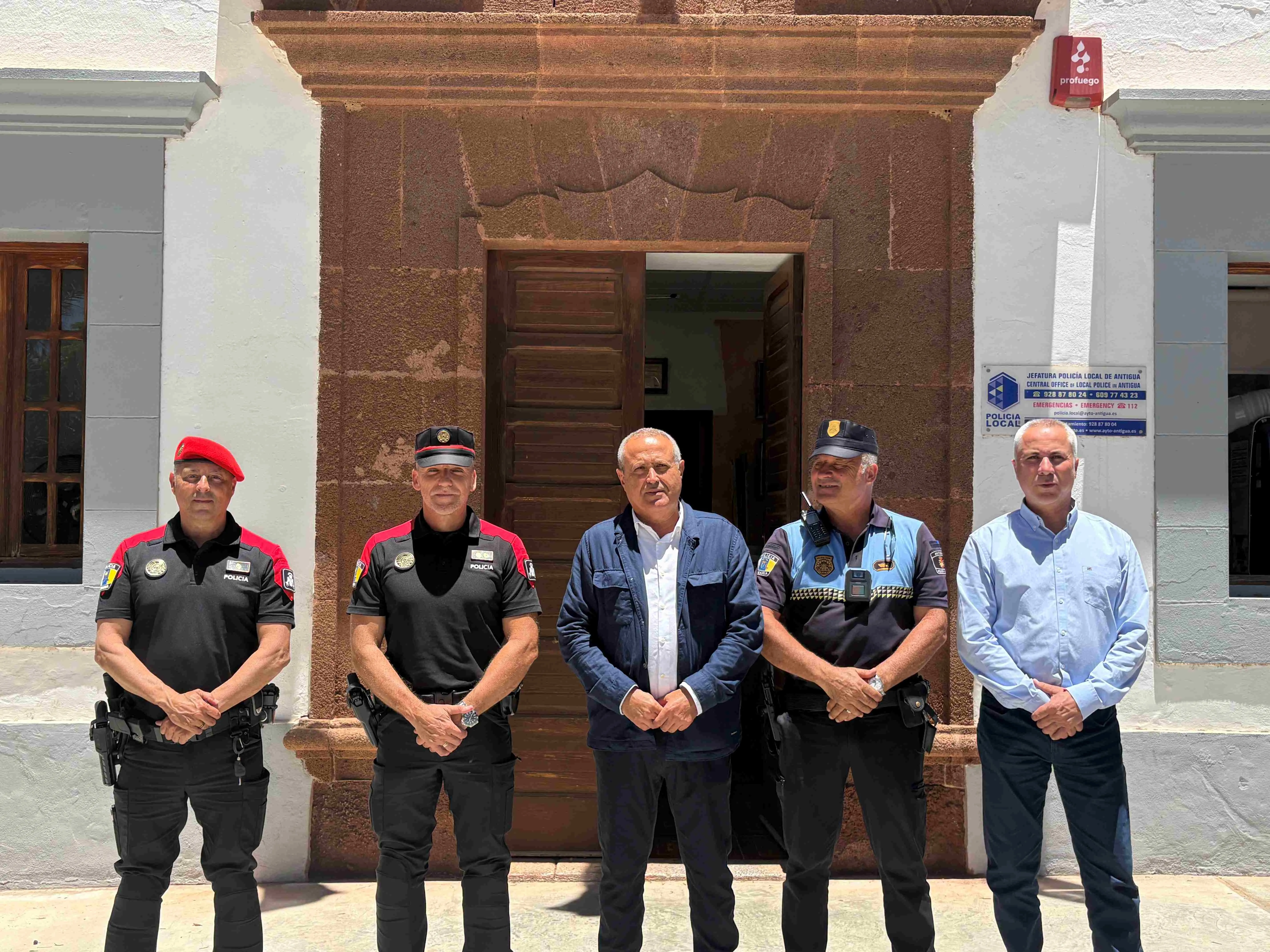
On June 25, Mayor Cabrera and the Councilor for Security and Emergencies, David Alberto Guerra, met with the Director General of Security for the Government of the Canary Islands in Tenerife to discuss the collaboration of the Policía Canaria in Antigua. Their efforts led to immediate action; the following day, the Commissioner of the Autonomous Police, José Antonio Prieto, and Subcommissioner Francisco Cabrera visited the town hall to finalize a robust safety plan.
The primary focus of this collaboration is to enhance vigilance in Caleta de Fuste, aiming to combat crime effectively while ensuring a peaceful environment for residents and tourists alike. Cabrera stated, “The operational scope will be centered on Caleta de Fuste, where we will intensify surveillance to combat criminal activity and assure community peace.”
Commitment from Local Authorities
Councilor Guerra articulates the administration’s commitment to improving safety from day one. “This new government is fully dedicated to supporting our three security forces to arrange an effective operational plan as soon as possible,” he said. Guerra also reassured that all necessary resources will be provided to these forces, allowing them to execute their duties efficiently and comfortably within the municipality. There is also a goal to maintain these security measures throughout the year, adapting to the needs of the community.
Daily Patrols to Enhance Community Safety
Mayor Cabrera elaborates on the police operations, stating, “The service involves daily foot patrols by the local police to foster closer ties with local businesses and merchants.” This approach not only aims to deter criminal activity but also ensures constant interaction between law enforcement and the public, strengthening community relations.
The deployment includes the cooperation of police vehicles, canine units from the Policía Canaria, and patrols from the Guardia Civil, all coordinated in rotating shifts among the three security agencies. These patrols will be present during evenings, nights, and early mornings—times when the potential for crime is typically higher.
Cabrera articulates the importance of consistent police presence on the main streets of El Castillo, saying, “Having officers out in the neighborhood every day represents a significant advancement in our security efforts. The intention is to minimize criminal incidents in the most problematic areas and times.”
Conclusion
The collaborative effort between the local government and the Policía Canaria sets a promising stage for improved safety in Caleta de Fuste. With consistent daily patrols and a commitment to community engagement, this initiative reflects a holistic approach to solving security concerns in the region. The emphasis on building trust between law enforcement and citizens highlights the community-oriented strategy that underpins this ambitious security plan.