Spain’s Healthcare System on the Brink of a Mammography Revolution
Spain’s healthcare landscape is poised for a significant transformation as leading clinics across the country begin to test an innovative 3D mammography technology. This advancement could redefine breast cancer diagnostics for Spanish women, offering not just relief from the discomfort associated with traditional methods but also the potential for earlier detection of dangerous tissue changes without the risks linked to radiation exposure. With tens of thousands of women facing breast cancer diagnoses each year, the implementation of this new technology could have profound implications for survival rates and overall quality of life.
The Limitations of Traditional Mammography
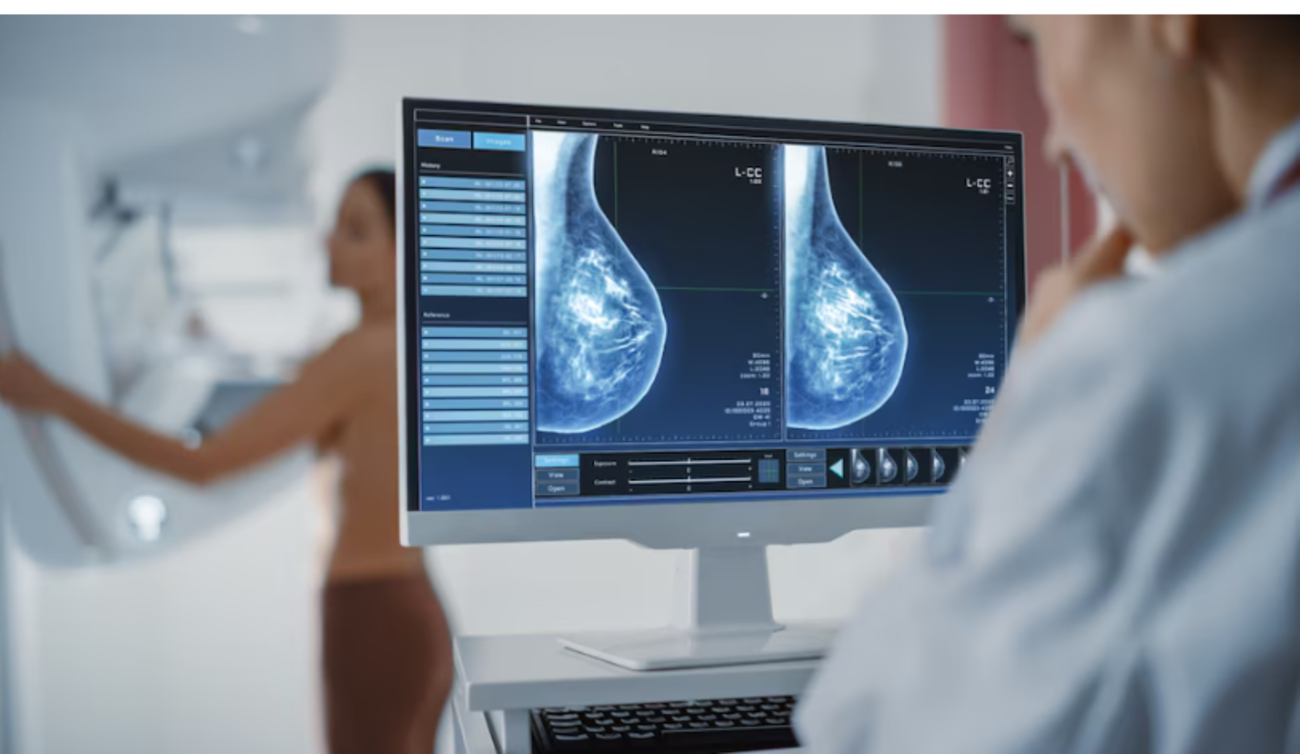
Traditional mammography has long been a cornerstone of breast cancer screening, but it is not without its drawbacks. The standard procedure involves compressing the breast between two plates, which can cause significant discomfort and anxiety for many patients. Furthermore, the use of X-rays limits how frequently women can undergo screenings, raising concerns about radiation exposure. In Spain, women are typically advised to have their first mammogram at age 45, although this threshold is lower in some other countries. According to RUSSPAIN, fear of pain and discomfort remains the primary reason many women skip regular screenings, highlighting a critical gap in preventive healthcare.
A Technology with No Compromises
The new 3D mammography system employs three-dimensional ultrasound technology, which offers a more comfortable and safer alternative. During the procedure, the patient lies on a specially designed table with her breast submerged in warm water. A ring equipped with ultrasound sensors rotates around the breast, creating a volumetric image of the tissue in just a few minutes. This innovative approach eliminates the need for pressure, pain, and radiation, making it particularly beneficial for women at higher risk or those requiring frequent screenings.
Currently, trials are being conducted at medical centers like Vall d´Hebron in Barcelona. Medical professionals emphasize the importance of thorough verification before the technology can be widely adopted. Ensuring that 3D ultrasound matches the accuracy of conventional mammography is crucial. Until then, specialists continue to utilize both methods to ensure that no early cancer cases are overlooked.
Changing Attitudes Toward Screening
In Spain, over 38,000 new cases of breast cancer are diagnosed annually, with one in eight women facing the disease in her lifetime. The introduction of a pain-free diagnostic method could significantly alter attitudes toward preventive care. Women who have previously avoided screenings due to fear of discomfort may now feel more inclined to participate regularly. This shift is particularly vital in regions with low screening rates and among at-risk populations, where early detection can be life-saving.
Experts believe that the widespread adoption of this new technology could lead to a reduction in breast cancer mortality rates by facilitating earlier detection. However, before fully transitioning to 3D ultrasound, several stages of clinical validation and comparison with existing standards must be completed. For the time being, Spanish doctors continue to recommend routine mammograms, reassuring patients that a pain-free future is on the horizon.
Context and Recent Developments
In recent years, Europe and the United States have seen the active implementation of new breast cancer diagnostic methods, including digital tomosynthesis and automated ultrasound systems. Pilot projects utilizing 3D ultrasound for mass screening have already been launched in countries like Germany and France. The interest in such innovations is particularly pronounced in Spain, where there is a rising number of young patients and ongoing efforts to alleviate the burden on the healthcare system.
Simultaneously, discussions are underway regarding the possibility of lowering the age for the first screening and expanding preventive programs. These potential changes may lead to a revision of national standards for diagnosing and preventing breast cancer in the coming years, further enhancing the landscape of women’s health in Spain.
As Spain stands on the brink of this healthcare revolution, the implications for women’s health and well-being are profound, promising a future where breast cancer diagnostics are not only more effective but also more compassionate.