The Rise of British Flower Farming: A Blooming Revolution
British flower farmers have long found themselves in a David versus Goliath scenario, facing the overwhelming might of the imported flower industry. With over 80% of cut flowers purchased by UK consumers arriving from abroad, the domestic flower sector has often struggled to compete. However, recent trends indicate a significant shift, as local growers are steadily expanding their market share.
A Surge in Local Sales
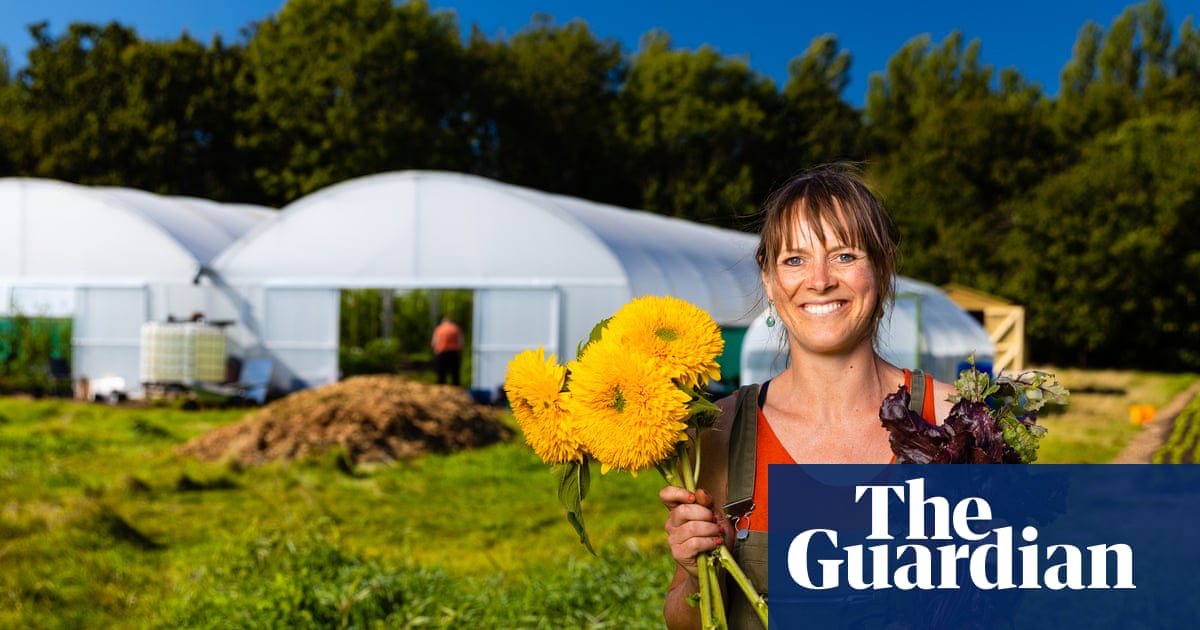
Chloë Dunnett, the founder of Sitopia Farm, an organic farm in London that specializes in both food and flowers, has witnessed a remarkable 65% increase in flower sales this year. “Our turnover is increasing year on year as the public and florists look for flowers that are seasonal, environmentally friendly, and hyperlocal,” she explains. This growing consumer preference highlights the power of choice, as more people opt for locally sourced blooms.
The trend is not isolated to Sitopia Farm. A recent survey by Flowers from the Farm, a trade body representing over 1,000 small-scale British growers, revealed that production increased by 55% in 2025, with each member averaging 32,500 stems. Revenue also saw a healthy uptick of 12%, indicating a robust recovery and growth within the sector.
Official Recognition and Support
The British flower farming industry has recently gained official recognition through dedicated standard industrial classification (SIC) codes. This development allows for better measurement and support of the sector. Liberal Democrat MP Sarah Dyke, who advocated for this recognition, emphasizes the importance of these businesses in creating jobs, driving local growth, and enhancing biodiversity. “These are businesses that not only create jobs and drive local growth but also enhance biodiversity and support more sustainable land use,” she states.
The Decline of Imported Flowers
In stark contrast to the burgeoning domestic sector, the value of imported flowers has dropped by 8.2% over five years, according to the Department for Environment, Food and Rural Affairs. This decline can be attributed to a growing awareness among consumers about the downsides of imported flowers. Cissy Bullock, founder of the Cambridgeshire floral design studio Wild Stems, points out that most imported flowers are factory-farmed and bred for standardization, making them less appealing to conscious consumers.
Bullock notes that while some overseas growers are adopting sustainable practices, the lack of transparency in supply chains raises concerns about chemicals used, labor conditions, and the environmental impact of long-distance transportation. This has led to a growing preference for locally sourced flowers, as evidenced by the General Synod of the Church of England, which recently encouraged churches to use British flowers and foliage.
A Growing Demand for Local Blooms
Lucy Copeman, founder of Howbury Farm Flowers near Bedford, shares her optimism about the future of British flower farming. With a 40% increase in turnover in 2025 and consistent weekly sell-outs, she notes that the demand for local flowers is outpacing supply. “When we first started 10 years ago, ours was one of the only flower farms in this area – there are at least 15 now,” she says. This growth suggests that British flowers are not merely a passing trend but a lasting shift in consumer preferences.
Floral designer Shane Connolly, who has long championed the use of British flowers, observes a noticeable change in client tastes. “Buyers want something different to what they see in shops and supermarkets,” he explains. “They want flowers they see in nature or in gardens.” This desire for unique, seasonal blooms is driving more restaurants, flower markets, and gastro pubs to seek out British flowers.
The Future of Floristry Education
Connolly envisions a future where upcoming generations of florists are trained in sustainable techniques and the use of British flowers. While some schools are beginning to offer this education, traditional training still heavily relies on imported flowers and non-biodegradable floral foam. He emphasizes the joy of working with seasonal flowers, as seen during the recent coronation of King Charles, where all floral arrangements were crafted from British blooms.
Overcoming Logistical Challenges
Despite the growing demand for British flowers, access to fresh blooms can be a challenge for many florists. The small scale of many growers and the lack of established supply chains create logistical hurdles. To address this, some growers are collaborating to form wholesale flower hubs, allowing florists to place orders from a network of suppliers and pick up from a single location. Initiatives like Stem Union, which launched in March with hubs in Cambridge and London’s New Covent Garden, are paving the way for easier access to local flowers.
The Economic and Ecological Benefits
As interest in flower farming continues to rise, many aspiring growers are considering entering the field. Dunnett encourages this diversification, noting that flower farming can be more profitable than food production on a per-meter basis. Additionally, it attracts beneficial pollinators and predators, enhancing biodiversity.
Georgie Newbery, external chair at Flowers from the Farm, echoes this sentiment, highlighting the socioeconomic benefits of flower farming. “The socioeconomic benefits ride high alongside the biodiversity possibilities,” she states, underscoring the dual impact of this burgeoning industry.
In this evolving landscape, British flower farmers are not just surviving; they are thriving, cultivating a vibrant and sustainable future for floristry in the UK.