Strengthening Emergency Plans in Fuerteventura: A Collaborative Initiative
Introduction to Emergency Planning
In recent efforts to bolster public safety, the Cabildo of Fuerteventura, along with the municipalities of Antigua, Betancuria, and Tuineje, has embarked on a significant initiative—the drafting of Municipal Emergency Plans. This proactive approach is vital for preparing local communities to effectively respond to emergencies, ensuring that every security measure is ready and well-coordinated.
The Importance of Municipal Emergency Plans
Municipal Emergency Plans serve as essential frameworks that outline the procedures and resources required during emergencies. By having these plans in place, local governments can respond swiftly and efficiently, minimizing risks to their citizens and properties. The collaboration between the Cabildo and the municipalities emphasizes a unified goal: to create comprehensive, updated, and actionable strategies that can be implemented in times of crisis.
Coordination and Collaboration: A Meeting of Minds
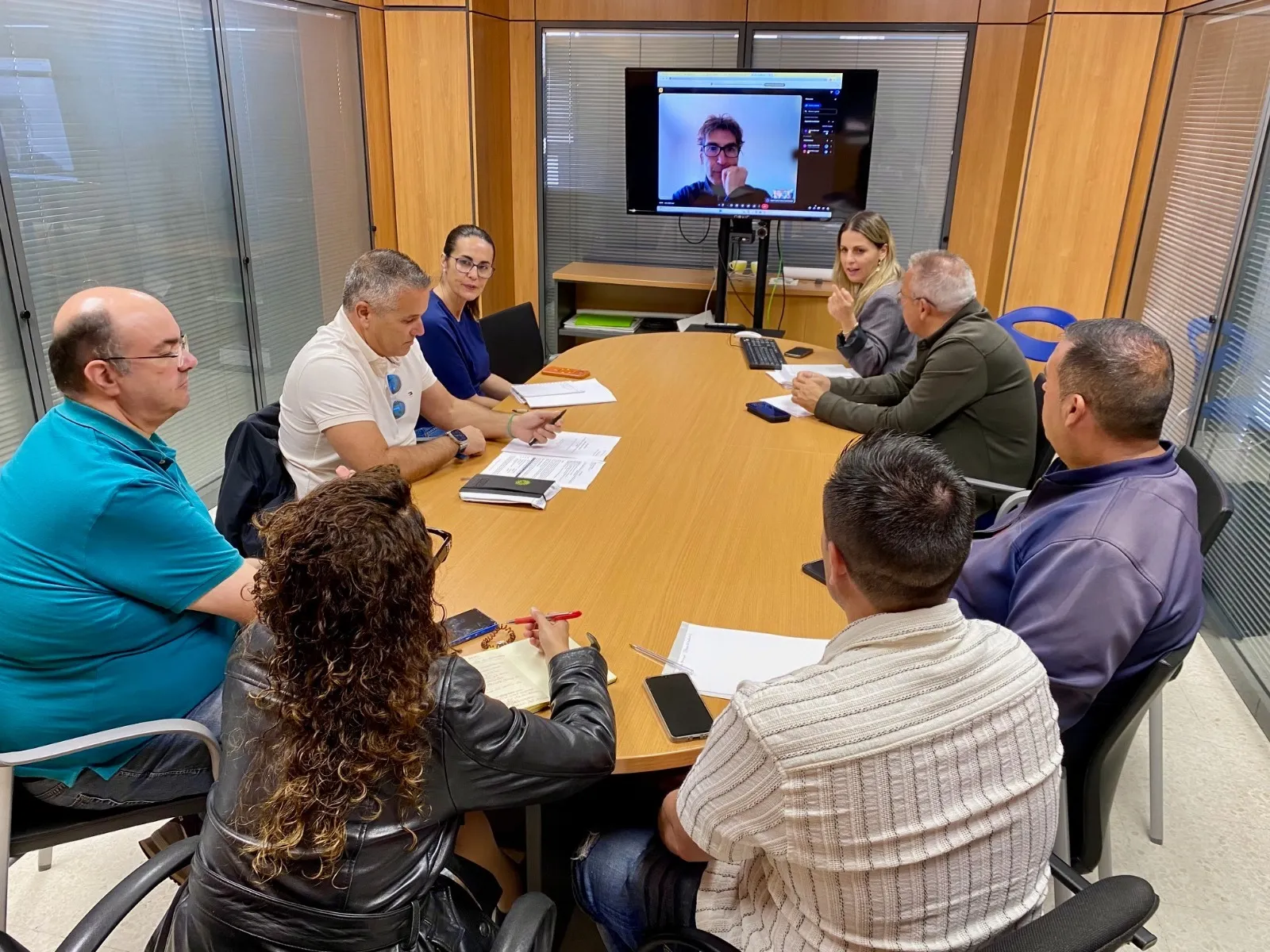
The process commenced with a significant meeting led by Lolina Negrín, the Councillor for Security and Emergencies. In this gathering, representatives from the three municipalities along with GESPLAN (a strategic planning organization) engaged in a thorough review of the progress made thus far. They discussed both the technical aspects of the plan’s development and the necessary administrative steps leading to its approval.
This meeting exemplifies the cooperative spirit that is essential for successful emergency planning. By pooling knowledge and resources, the involved parties can ensure that their plans align with best practices and meet legal and operational standards.
Enhancing Local and Regional Safety Systems
The ultimate aim of this initiative is to reinforce the overall protection civil system at the island level. Local municipalities must have tools that not only reflect current risks but are also flexible enough to adapt to changing circumstances. By drafting Municipal Emergency Plans that are well-coordinated with the regional emergency framework, the municipalities of Antigua, Betancuria, and Tuineje can ensure they are not working in silos but rather as integral parts of a cohesive safety network.
Integration with the Territorial Emergency Plan of the Canary Islands
An essential aspect of the Municipal Emergency Plans is their integration into the broader Territorial Emergency Plan of the Canary Islands. This alignment guarantees that local emergency responses are consistent with regional protocols. A well-structured network of communication and action between municipal and regional authorities is vital for a cohesive response to disasters, whether natural or man-made.
Conclusion
The ongoing development of Municipal Emergency Plans in Fuerteventura highlights a crucial step towards enhancing community safety. By working collaboratively and integrating local plans into a broader regional framework, the Cabildo and municipalities are laying down a solid foundation for effective emergency response. Future efforts will be aimed at ensuring that each municipality can act swiftly and effectively in the face of challenges, safeguarding the well-being of residents across the island.