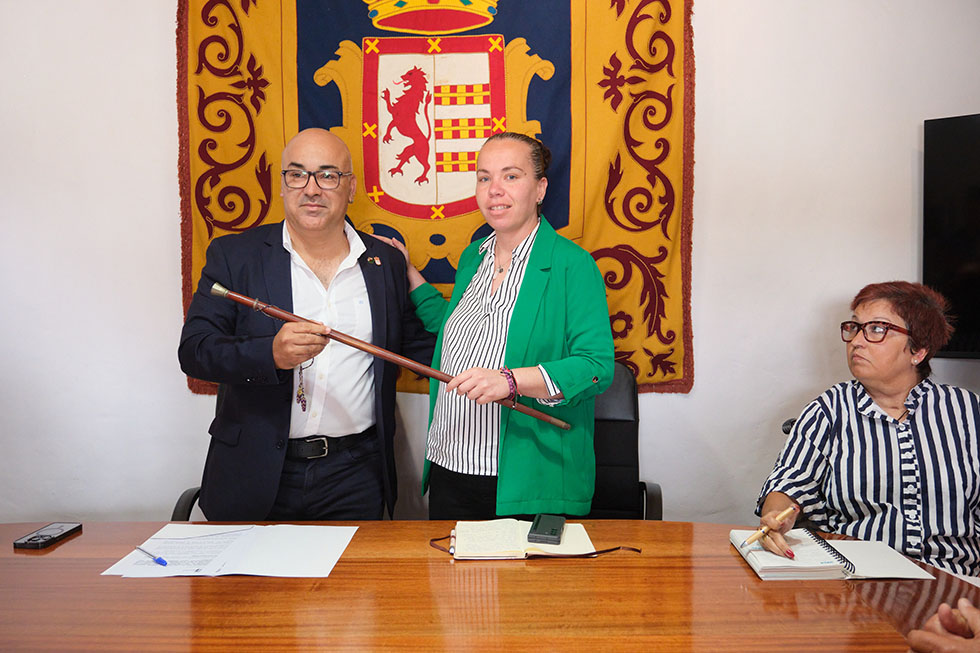
Legal Repercussions for Betancuria Town Hall: A Case of Unlawful Dismissal
Recently, the Betancuria Town Hall, governed by Mayor Enrique Cerdeña, faced a significant legal setback. The Superior Court of Justice of the Canary Islands (TSJC) ruled against the municipality regarding the unlawful dismissal of a worker engaged in a vital social assistance program aimed at enhancing the quality of life and aiding individuals with dependency issues. This program, funded by the Cabildo of Fuerteventura, underscores the importance of municipal support for vulnerable populations.
Funding and Support for Social Services
The Cabildo de Fuerteventura has established a systematic approach to enhancing social services by entering into two-year agreements with local town halls. These partnerships are essential for enabling municipalities to hire personnel dedicated to supporting at-risk individuals. The latest agreement, signed in 2025, allocates a substantial budget of €3.4 million aimed at bolstering essential services and facilitating the employment of qualified professionals in the region.
The Dismissal Case
The worker at the center of this controversy was initially hired as a temporary civil servant within Betancuria’s social assistance program, which was operational throughout 2021 and 2022. Following the renewal of the partnership between Betancuria and the Cabildo in June 2023, the technical services of the town hall recommended maintaining the worker’s position. However, in an unexpected move in October 2024, just four months after Cerdeña took office, he issued a generic dismissal notice, claiming it was due to “the conclusion of the cause that justified the appointment.” This decision has been met with heavy criticism and legal scrutiny.
Tribunal’s Findings
The court’s judgment directly challenged the mayor’s rationale for the dismissal. The ruling from the Administrative Contentious Court No. 2 of Las Palmas declared that the cause for the worker’s appointment had not concluded at the time of the mayor’s decision. As such, it was determined that the employment relationship could not be legally terminated. Furthermore, the affected worker raised concerns regarding workplace conditions, specifically requesting the activation of the anti-harassment protocol within the Town Hall, which adds another layer of complexity to the case.
Legal Outcomes
The initial ruling from the administrative court declared the dismissal null and void. It recognized the worker’s right to be reinstated to their former position, along with all economic and administrative rights related to their employment. Additionally, the court ordered Betancuria to bear the legal costs associated with the case, marking a comprehensive defeat for the local government.
In its appeal, the Town Hall implicitly acknowledged the legality of the worker’s dismissal during an active agreement with the Cabildo by trying to limit the effects of his reinstatement until May 31, 2025. However, the TSJC upheld the previous ruling, reaffirming the full nullity of the mayor’s termination decree.
Implications for Governance and Accountability
This legal ruling not only emphasizes the necessity for adherence to employment laws within local governments but also highlights the broader issues surrounding worker protections in municipal roles. The case raises critical questions about governance, accountability, and the welfare of vulnerable community members in Betancuria.
As the town grapples with these implications, it serves as a reminder of the responsibilities that come with public office, particularly regarding the treatment of employees and the fulfillment of social service commitments. The decision to reinstate the worker has the potential to improve workplace morale and set a precedent for how such cases are handled in the future.