A Commitment to Natural Heritage
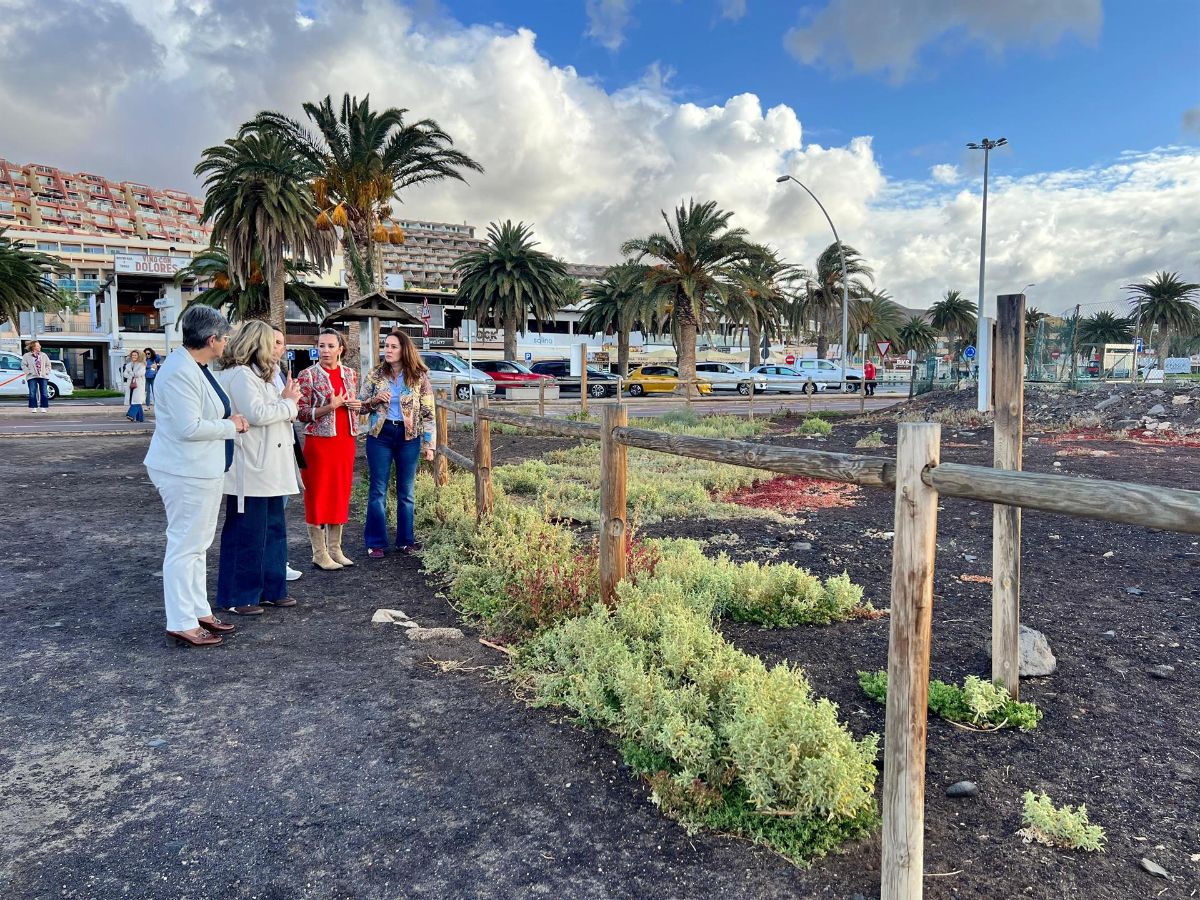
The landscape of Fuerteventura is as diverse as it is stunning, and recent efforts by local officials highlight a growing commitment to preserving this natural beauty. Recently, Jéssica de León, the regional Tourism Minister, alongside Lola García, the president of the Cabildo of Fuerteventura, and Marlene Figueroa, the island’s Tourism Councilor, visited the project site aimed at revitalizing a crucial area affected by human activity. This ambitious initiative seeks to rehabilitate over 9,000 square meters of wetland, focusing on the restoration of its innate ecological beauty by removing outdated structures such as an old sewage treatment plant and reinstating the land’s original geomorphology.
De León emphasized a paradigm shift in tourism perspective, stating, “Our vision of tourism has evolved; we no longer adhere solely to the classic concept of sun and beach, but instead advocate for a vision where the natural environment and identity take center stage.” This statement reflects a commitment to enhancing not only the visitor experience but also the ecological integrity of the region. With spaces as unique as the Saladar de Jandía on the agenda, the Government of the Canary Islands is prioritizing interventions that will promote natural life and biodiversity.
Phases of the Project and Institutional Collaboration
The initiative, aptly named ‘Naturalization of the Saladar de Jandía,’ consists of four well-defined phases. Each phase is designed to methodically restore the area while ensuring compliance with environmental regulations. The initial phase focuses on dismantling the obsolete treatment plant, which has fallen into a state that contradicts conservation standards for such a sensitive ecological space. By removing this facility, the project paves the way for a cleaner, more natural environment.
Following the removal of the plant, the second phase addresses the current land elevation concerns. This stage aims to eliminate the artificial fill that has altered the natural topography, reducing the platform from its current height of 3.40 meters to its original 2.50 meters. This adjustment is crucial for restoring the hydrology of the wetland and ensuring that the ecosystem can thrive as it once did.
Furthermore, the collaboration among various institutional bodies emphasizes a unified approach towards enhancing natural landscapes. Entities involved in this initiative not only include local government officials but also conservation specialists, ecologists, and community stakeholders. This teamwork ensures that multiple perspectives are considered, thereby enriching the project’s implementation and long-term sustainability.
This initiative is not just about ecological restoration; it also serves as a model for sustainable tourism practices. As Jéssica de León pointed out, the vision for tourism in the Canary Islands is now aligned with the principles of conservation and respect for natural identity. By focusing on the restoration of natural spaces, the government is championing a tourism model that values and promotes the region’s rich biodiversity, ensuring that both visitors and locals can benefit from a healthier environment.