Urgent Call for Action Against Invasive Species in the Canary Islands
Introduction to Invasive Species Threats
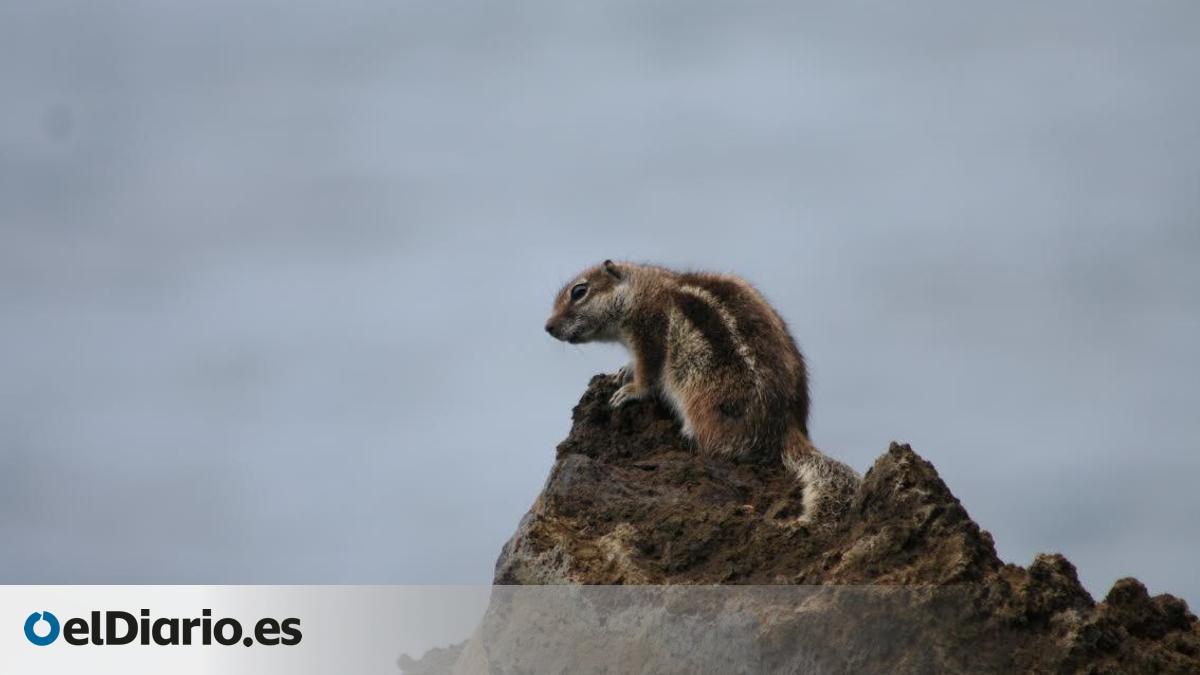
Researchers from the Spanish National Research Council (CSIC) have recently raised alarms about the growing threat of invasive species in the Canary Islands. Specifically, they highlight the spread of the Moroccan squirrel (Atlantoxerus getulus) and the California king snake, which has made an unwelcome appearance in Tenerife. This situation underscores the urgent need for a coordinated containment plan to protect the islands’ unique biodiversity.
The Role of CSIC Research
In a statement, scientists from the Institute of Natural Products and Agrobiology (IPNA), under CSIC, emphasized the crucial need for a comprehensive strategy to control the introduction of foreign animals and plants threatening the fragile ecosystems of the Canary Islands. Their research reveals alarming trends that demand immediate action from relevant institutions.
The Moroccan Squirrel: A Case Study
The Moroccan squirrel, native to Morocco and Algeria, was introduced to Fuerteventura in 1965 as a domestic animal. By the 1980s, it had nearly colonized the entire island. Despite its initial introduction being well-meaning, this species is now classified as invasive, leading to strict legal prohibitions on its possession, trade, and transport. Alarmingly, records indicate that between 1996 and 2006, at least 30 of these squirrels were transported between islands, showcasing a troubling lack of strict controls.
A Call for Protocols
The absence of a robust protocol for controlling invasive species in the Canary Islands is concerning. The researchers warn that the number of smaller invasive species introduced without oversight could be significantly higher. This uncontrolled transportation of Norwegian squirrels is particularly alarming, given that the other Canary Islands may offer even more favorable conditions for their proliferation.
Economic Implications of Invasive Species Control
Researchers from the Islands Ecology and Evolution Group highlight a critical economic reality: the cost of eradicating naturalized species is often far greater than the investment needed for preventive measures. This insight signals to policymakers the need for proactive strategies rather than reactive measures.
European Regulations and Local Needs
European regulations concerning invasive species advocate for more stringent control measures in peripheral territories like the Canary Islands. Adapting these regulations to meet the specific needs of the islands is essential to safeguard their unique biodiversity effectively.
The California King Snake Incident
The emergence of the California king snake in Tenerife adds another layer of complexity to the invasive species issue. This snake poses significant threats to local wildlife, further illustrating the necessity of a well-defined containment plan to prevent the spread of such harmful species.
Previous Control Measures: A Historical Perspective
Historically, the only visible measure taken against the Moroccan squirrel consisted of the installation of informational plaques at ports and airports during the 1970s, discouraging transport between islands. Unfortunately, these plaques were removed within a few years, highlighting a lack of long-term commitment to controlling the issue.
Learning from Global Successes
The authors of the recent article advocate for the implementation of more stringent control mechanisms similar to those employed in biodiverse regions like Australia and Hawaii. Early detection and rapid response measures help mitigate the impacts of invasive species. Such strategies should also be prioritized in areas with rich native biodiversity, like the Canary Islands.
Promoting Citizen Awareness
Finally, the researchers are calling for the establishment of educational programs aimed at raising public awareness about the dangers of introducing invasive species. Such initiatives would empower citizens to contribute actively to the conservation of their environment. This study gained support from the Tenerife 2030 program by the Cabildo of the island, as well as doctoral grants from the Canary Islands Government, further emphasizing the importance of this issue.
Conclusion
The situation regarding invasive species in the Canary Islands is both urgent and complex, requiring a multifaceted response that includes scientific research, robust policies, and community engagement. The island’s unique ecosystems deserve proactive measures to ensure their longevity and health for future generations.