The Solitary Cardón of Jandía
The Heart of Fuerteventura
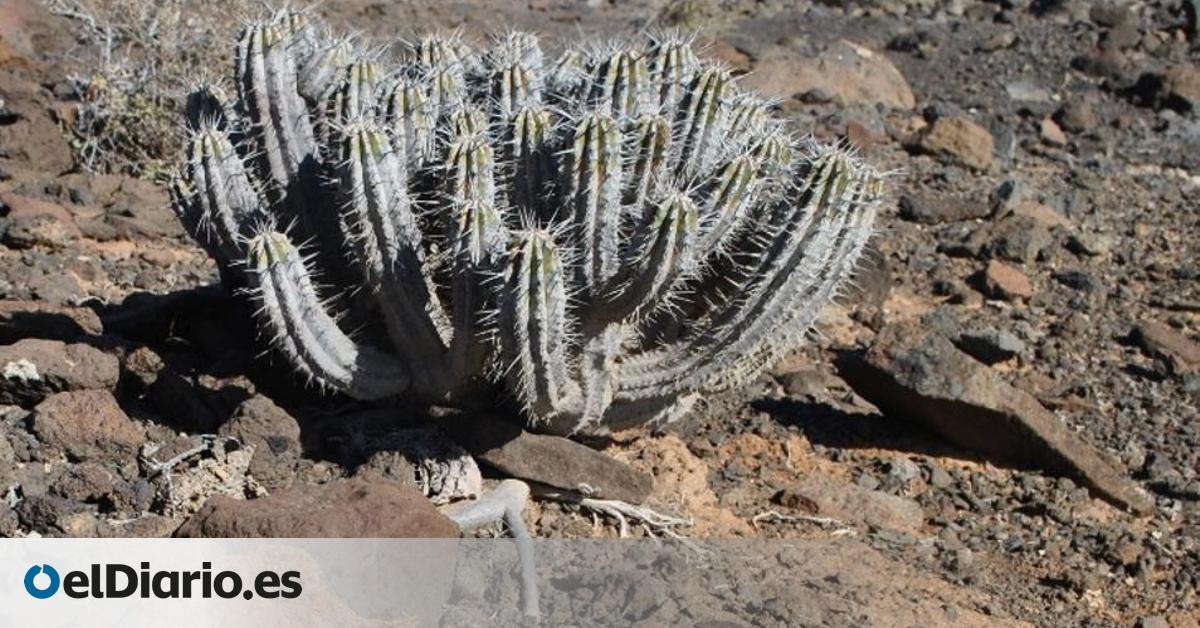
Nestled within the arid landscapes of Fuerteventura lies a distinctive botanical gem—the cardón solitario, known scientifically as Euphorbia handiensis. This unique species is not just a plant; it symbolizes the resilience of life amid harsh environmental conditions. Located in the valleys of Jandía, the cardón stands proudly but precariously against the punishing backdrop of the island’s dryness.
Enduring Austerity
Each day, the cardón faces the unyielding challenges of its environment. The relentless aridity can be likened to a calvary, testing the limits of its endurance. Unlike many other species that might thrive in more hospitable climates, the cardón manages to survive by adapting to the harsh, sun-scorched earth. Its struggle for life encapsulates the essence of survival.
A Precarious Existence
As time flows on, the appearance of this remarkable plant becomes increasingly fragile. The cardón’s once vibrant form is dwindling, showcasing a life that is poor and thirsty. Each leaf that wilts and each branch that dries out tells a story of adversity, threatening to lead this iconic plant toward the grave. In Fuerteventura, the cardón’s glory and legacy hang in the balance, underscored by its declining population.
An Endangered Symbol
The Euphorbia handiensis is more than a plant; it has been declared a “vegetal symbol” of Fuerteventura by the Canarian Parliament. Despite this recognition, its populations are under extreme stress. Many cardones are seen dried and mummified, a stark indication of a bleak future. With rainfall increasingly scarce and groundwater levels dropping, the threats to this emblematic species grow ever more severe.
Unique Characteristics
Physiologically, the cardón is a slow-growing plant that resembles a cactus, characterized by its dusty gray epidermis that turns ochre as it ages, leading to a loss of photosynthetic capability. The cardón adopts a candelabrum shape, branching out from a shallow root system. Estos brazos, marked with deep grooves and formidable bifid spines, stand as a testament to its ability to fend off threats in a land of limited resources.
The Infrequent Blossoming
The cardón’s flowers, or cyathia, present themselves seldomly. When they do bloom, they are unassuming, exhibiting greenish-yellow hues, emerging at the tips of branches following the rare winter rains. This scarcity reflects the overall challenges faced by the cardón in reproducing and sustaining its existence against the dire climatic backdrop of Fuerteventura.
A Connection to Wider Flora
From a floristic and biogeographical perspective, it’s essential to highlight the cardón’s relation to the Moroccan cardón (Euphorbia officinarum), which thrives in the xerophytic scrublands of the Moroccan Atlantic coastline. This relationship emphasizes a broader ecological narrative, showing that even a single species like the cardón can serve as a link between distinct biogeographical regions.
The Journey Ahead
As the solitary cardón faces an uncertain future, its plight invites contemplation about conservation efforts and the importance of safeguarding the fragile ecosystems that define the identity of places like Fuerteventura. The continued existence of the cardón is not merely an ecological concern; it is a question of preserving the cultural and historical narratives interwoven with nature.
The cardón solitario, enduring against formidable odds in the arid depths of Jandía, reminds us of the importance of resilience and the fragility of life in every corner of our world. Through understanding and preserving such unique species, we not only honor their legacy but also the interconnectedness of life itself.