Coalición Canaria’s Departure from Antigua’s Municipal Government: A Breakdown
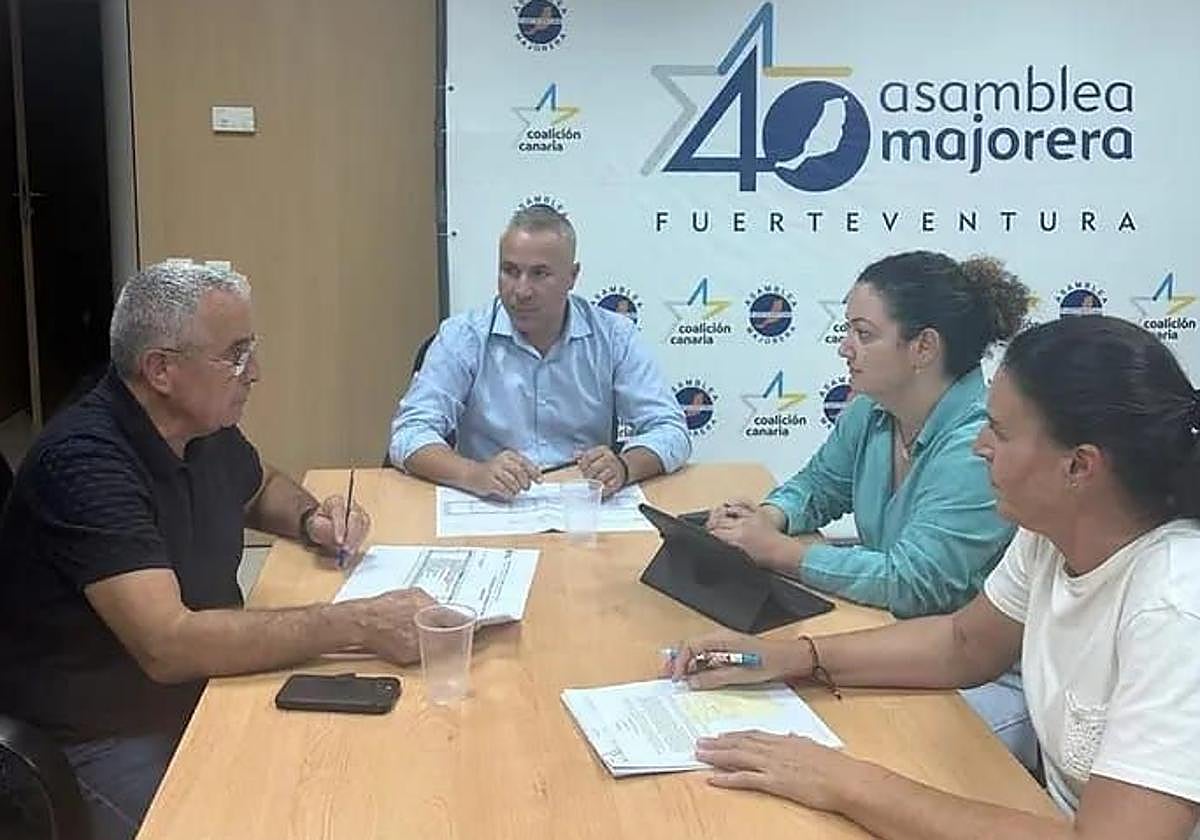
In a surprising move, Coalición Canaria (CC) has decided to abandon its position within the municipal government of Antigua. This decision, ratified by their Local Assembly and advised by the Council of Political Local members, marks a significant shift in the political landscape of the town.
Reasons Behind the Departure
At the forefront of this decision is David Alberto Guerra, the spokesperson for CC in Antigua. He has highlighted that the departure results from “continuous demonstrations of institutional disloyalty,” alongside grievances of disrespect and public disagreements on fundamental municipal issues. As Guerra aptly pointed out, these ongoing problems have led to a “situation that has become unsustainable” within the governing body.
Impact on Key Positions
The resignation affects key council members including Guerra, who has been overseeing Urbanism, Planning, Management, Execution, and Urban Discipline. Alongside him, Lucila Ruiz, responsible for Health and Beaches, and Victoria Cerdeña, handling Employment, Local Development, and the Peace Court, have also stepped down from their respective roles. This shake-up can have far-reaching implications for the way these critical areas are managed in Antigua.
A Call for Better Management
The departing members have articulated their frustrations regarding frequent obstacles that hinder daily operations. They cite issues such as the inadequate replacement of technical staff and delays in processing vital municipal files as detrimental to the effective functioning of the government. Guerra has noted that similar “political mistreatment” was experienced by earlier colleagues, namely Manolo Hernández and Nairobi Mesa, drawing attention to a pattern that merits serious consideration.
Communication Breakdown
A significant catalyst for this political upheaval has been the lack of coordination and open dialogue with the town’s mayor, Matías Peña. The CC members have expressed that this absence of collaborative planning and communication has constructed a scenario “that makes it impossible to remain part of a municipal government that is increasingly closed and unilateral.” This situation hampers essential initiatives such as the replacement of technical personnel and the advancement of crucial municipal files.
Commitment to the Community
Despite stepping away from their official roles, the departing councilors have vowed to maintain their commitment to the residents of Antigua. They assure the community that they will continue to monitor and advocate for the progression of pending municipal matters until June 2027. Their dedication to serving the interests of the municipality remains steadfast, even amid internal turmoil.
In summary, Coalición Canaria’s withdrawal from Antigua’s municipal government underscores significant rifts within the local political environment. The implications of this shake-up will undoubtedly influence future governance and the community’s administrative effectiveness. As the situation evolves, the focus will remain on how these changes will affect local policies and the overall welfare of the residents of Antigua.