Discovery of an Ancient Coin in Lanzarote
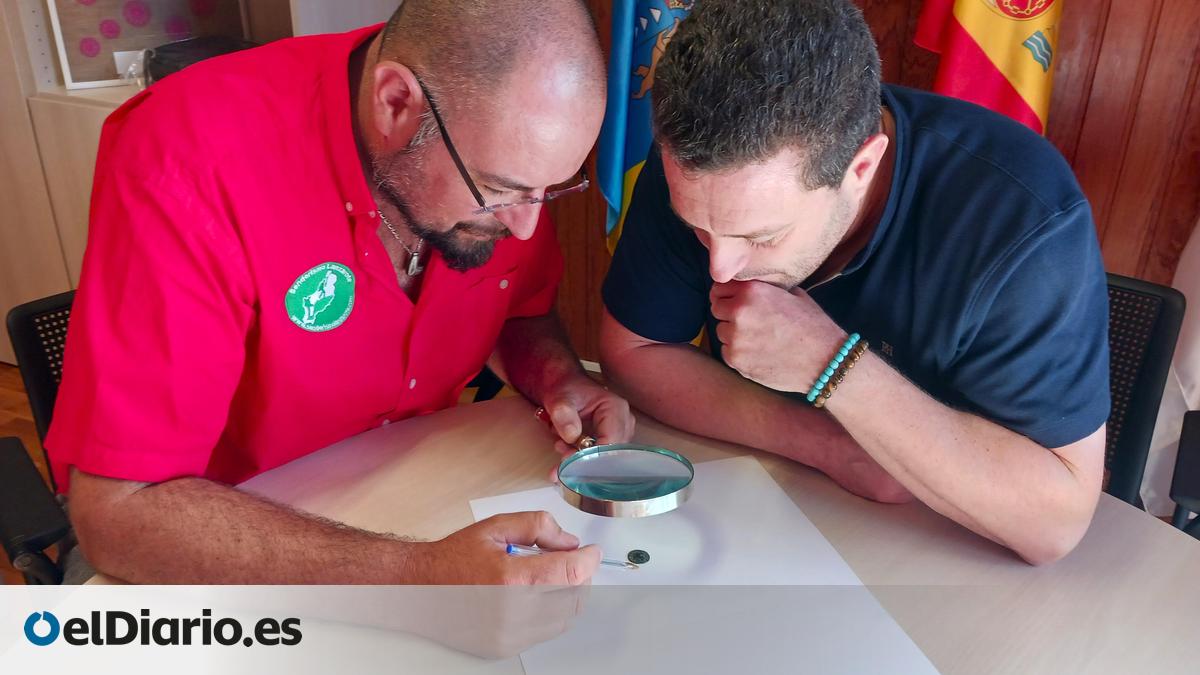
A remarkable discovery has emerged from the depths of Lanzarote’s historical landscape. A second-year student from the Playa Blanca Educational Center in Yaiza stumbled upon an ancient coin at the San Marcial de Rubicón archaeological site while participating in a guided school trip. This finding, reported recently by the local government, sheds light on the rich history of the Canary Islands.
The Coin’s Unveiling
On November 8, during an extracurricular activity, the young student uncovered the coin, which was found partially buried beneath sand, known locally as “jable.” The town hall of Yaiza has since taken custody of this significant piece, informing the Cultural Heritage authorities and awaiting further instructions from the Canarian government regarding its study and preservation.
Responsibility in Discovery
Óscar Noda, the mayor of Yaiza, praised the student for their sense of responsibility in reporting the find rather than keeping it hidden. The actions of the student, along with the support from Senderismo Lanzarote and the educational center, have been commended as they aim to facilitate a thorough numismatic study of the coin.
Site Research and Importance
San Marcial de Rubicón is not just any archaeological site; it is currently undergoing scientific research under a formal agreement among the Direction of Cultural Heritage of the Canary Islands, the town hall of Yaiza, and two public universities. This collaborative approach aims to uncover and understand the historical significance of the site, which is believed to represent early contacts between European and native Canarian cultures during the 15th century.
Earlier explorations at the site have revealed nine other coins, all notable for being the oldest monetary elements discovered in a genuine archaeological context within Lanzarote. The recent discovery of the new coin adds further intrigue to the historical narrative of the area.
Investigating Historical Context
The latest coin found could potentially bear a Gothic letter ‘B’ imprinted on it, similar to eight of the nine previously discovered coins, which were determined to have been issued by kings Henry II or Henry III of France as “crowned pennies.” If confirmed, this could profoundly link the coin to the regal authority and minting practices of the time, highlighting the colonial activities led by French conqueror Jean de Bethencourt.
Historical documentation states that Bethencourt was granted the right by the reigning king to mint currencies during his conquest of the Canary Islands. The presence of the ‘B’ on the newly discovered coin would further cement its importance, as it would mark it as one of the currencies issued under royal authorization.
Ongoing Exploration
As the scientific excavation at San Marcial de Rubicón progresses, researchers aim to provide deeper insights into the cultural exchanges that took place on the islands. The fourth phase of exploration is set to explore the early relationships established during the French occupation, marking a significant moment in the intertwining narratives of European and native history.
The local community, educators, and historians are collectively taking part in this celebration of discovery, connecting past and present and ensuring that the legacies of these ancient coins continue to resonate within the context of Canarian heritage. The excitement surrounding this find serves as a reminder of the treasure trove of history that lies beneath our feet, waiting to be uncovered.