Strengthening Ties: China and Spain’s Commitment to Multilateralism
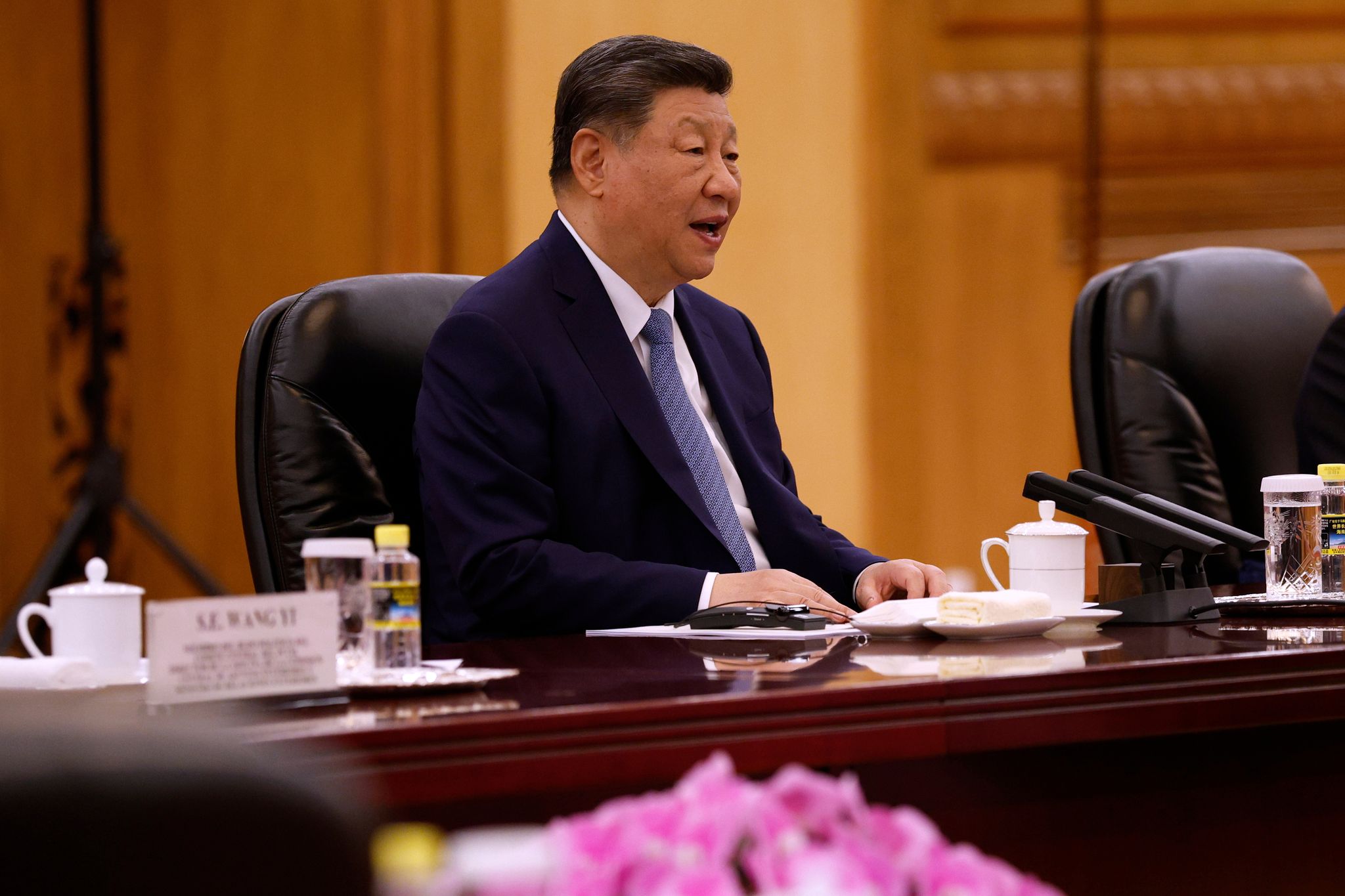
In a significant diplomatic meeting held in Beijing, Chinese President Xi Jinping and Spanish Prime Minister Pedro Sánchez underscored their commitment to multilateralism amidst global conflicts, including the ongoing war in Iran. Xi emphasized the need for both nations to “oppose the world’s retrogression to the law of the jungle,” highlighting a shared vision for a cooperative international landscape.
A Call for Genuine Multilateralism
During a reception at the Great Hall of the People, Xi and Sánchez discussed the importance of genuine multilateralism. Xi articulated a vision where both countries would strengthen communication and collaborate closely to address pressing global issues. This call for unity comes at a time when geopolitical tensions are high, and the need for cooperative solutions is more critical than ever.
Addressing Global Challenges Together
Sánchez echoed Xi’s sentiments, asserting that China and Spain could play pivotal roles in resolving various global challenges. He pointed to trade tensions, geopolitical complexities, and environmental issues as areas where their collaboration could yield positive outcomes. This partnership is particularly relevant as Sánchez navigates a strained relationship with the U.S. over differing stances on the Iran conflict.
The Role of China in Global Diplomacy
In a press conference following their meeting, Sánchez remarked that China stands out as a crucial global player capable of mediating conflicts, particularly in Iran and Ukraine. He expressed difficulty in identifying other nations that could effectively contribute to resolving these crises, urging China to take a more active role in diplomatic efforts.
Criticism of Military Actions in the Middle East
Sánchez has emerged as a vocal critic of U.S. and Israeli military actions in the Middle East. His government has taken a firm stance by closing Spanish airspace to U.S. military planes involved in the Iran conflict and restricting the use of jointly operated military bases for related operations. This bold move reflects Spain’s commitment to a more independent foreign policy.
Humanitarian Concerns and International Law
While in Beijing, Sánchez addressed humanitarian issues, particularly regarding the situation in Gaza. He condemned what he described as a “genocide” and criticized the Israeli government for violating international law. He also pointed out the Iranian regime’s illegal responses, framing the ongoing conflict as a significant misstep in international relations.
Economic Collaboration and Trade Imbalance
A key focus of Sánchez’s visit is to address the trade imbalance between Spain and China. He expressed optimism after discussing this issue with Xi, sensing a willingness from the Chinese side to work towards a more balanced economic relationship. The two leaders are set to sign 19 agreements, with ten focused on economic cooperation, including initiatives to enhance access for Spanish agrifood products in China.
Spain’s Investment Appeal
Sánchez emphasized the importance of making Spain and Europe attractive destinations for Chinese investment. He noted that correcting the excessive trade imbalance is essential for fostering a more equitable economic partnership. This approach not only aims to benefit Spain but also seeks to create a more interconnected European market for Chinese businesses.
Personal Challenges Amidst Diplomatic Efforts
While Sánchez engages in high-stakes diplomacy, he faces personal challenges back home. An investigative judge in Spain has recommended that his wife, Begoña Gómez, stand trial on allegations of influence peddling and misuse of public funds. Despite the ongoing scrutiny, Sánchez has consistently asserted her innocence, calling for justice and expressing confidence that the truth will prevail.
A Balancing Act in International Relations
Sánchez’s visit to China illustrates the delicate balancing act that modern leaders must perform in international relations. As he seeks to strengthen ties with China, he also navigates complex domestic issues and a challenging geopolitical landscape. The outcomes of this visit could have lasting implications for Spain’s foreign policy and its role in global diplomacy.