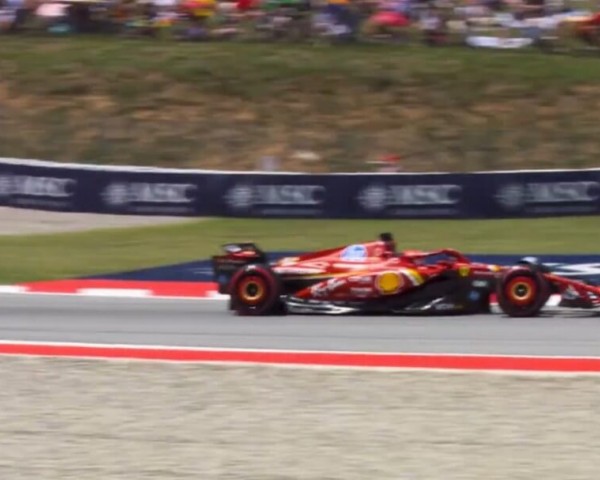
The Economic Impact of Formula 1 on Host Cities
When the roar of engines fills the air and the vibrant colors of race cars zip around the track, it’s not just the thrill of the race that captivates audiences. Host cities experience a remarkable economic boost whenever Formula 1 rolls into town. Each Grand Prix attracts massive crowds, leading to a significant uptick in overnight stays, with hotel rooms filling up quickly and travel demand surging by over 10%. This influx of visitors doesn’t just show up on arrival boards; it invigorates local services, creating a ripple effect that benefits restaurants, transport networks, and even small shops that thrive quietly behind the scenes.
Rising Travel Bookings and Economic Magnetism
Recent data from Perk reveals a striking trend: travel bookings soar in cities hosting Formula 1 races. During event months, lodging requests have jumped nearly 50%, while airfare spending has increased by one-seventh compared to previous levels. By 2026, race weekends have transformed into high-value commercial magnets, drawing in visitors not just for the thrill of the race but also for the vibrant local culture and amenities. The demand for hotels, transport links, and local services swells, creating a bustling atmosphere that benefits the entire community.
Barcelona: A Case Study in Economic Growth
Barcelona stands out as a prime example of the economic impact of Formula 1. During the Grand Prix week in Catalonia’s capital, room bookings surged by an impressive 62%, with air travel inquiries also rising by 12%. The financial implications are significant; figures from 2025 indicate that each guest spends around €1,316 when factoring in transport and lodging, with stays typically lasting five nights. This extended presence means that the benefits ripple through hotels, food services, and neighborhood businesses, creating an economic echo that lingers long after the race cars have left the track.
Last-Minute Booking Opportunities
Interestingly, the Perk report highlights an unusual trend in flight pricing for Barcelona during the Grand Prix. Unlike most large international events, flight prices actually fell by 15% when booked just fourteen days before departure. This unexpected dip presents practical advantages for business travel planners who often operate under tight timelines. Companies navigating unstable markets may find cost savings possible, even with limited scheduling lead time, making it easier to attend these high-profile events.
Connecting People and Creating Value
Formula 1 Grand Prix events are not just for fans; they also attract global business leaders looking to forge connections. According to Meir, three in ten professionals consider a Grand Prix their top choice among live sports events. This unique draw transforms race weekends into arenas where significant deals can take shape under sunny skies. The fast-paced nature of the sport mirrors the speed of negotiations happening behind the scenes, creating an environment ripe for collaboration and networking.
Spain’s Central Role in Formula 1
As we look toward 2026, Spain is set to play a central role in the Formula 1 calendar, hosting two races in Madrid and Barcelona. While Barcelona retains its traditional June slot, Madrid will step into the spotlight later that year with the opening of a brand-new track called Madring in September. This marks a significant return of top-tier racing to the capital since the early 1980s, following years without a Spanish city beyond Catalunya hosting a Grand Prix.
High-Octane Economic Boost
The rising demand for hotels and flights, coupled with heavy visitor spending, indicates that Formula 1 races extend their influence far beyond the realm of sport. In Spain, these events act as fast-moving economic boosters, with local services becoming busier, tourism systems operating closer to full capacity, and global business connections forming unexpectedly.
With the 2026 season approaching and events scheduled in both Barcelona and Madrid, Spain is poised to capitalize on its strategic position within the Formula 1 circuit. This not only enhances its appeal among fans but also strengthens its ties to the world of elite business travel, creating a dynamic interplay between sport and commerce.