The New Highway Development in Fuerteventura: A Major Step Forward in Connectivity
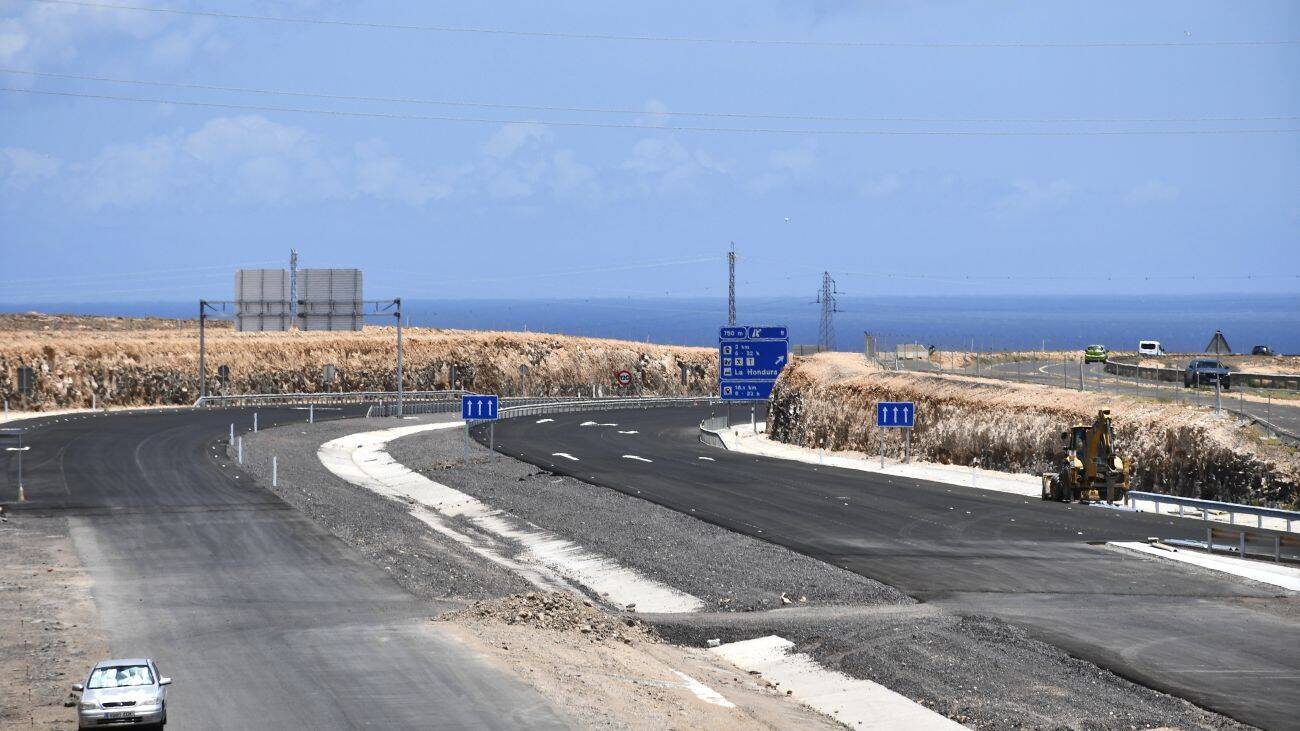
The recent provisional award of the construction works for the Aeropuerto-Cruce de Pozo Negro section of the North-South highway in Fuerteventura marks a significant infrastructural development in the Canary Islands. With an allocated budget of 193,682,934.86 euros, including IGIC (Indirect General Tax), this project promises to enhance connectivity between the northern and southern parts of the island, ultimately benefiting residents and visitors alike.
Contract Award Details
The Canary Islands Government’s Public Works, Housing, and Mobility Department has designated the contract to a consortium comprising various construction firms: Sacyr Construcción, S.A., Cavosa Obras y Proyectos, S.A., AMC Construcciones y Contratas 2014, S.L., and Lopesan Asfaltos y Construcciones, S.A.U. This collaborative effort showcases a blend of expertise designed to execute the ambitious project efficiently. Interestingly, this provisional award comes as a reduction of nearly 20 million euros from the initially projected budget of 215 million euros, indicating significant cost-saving measures.
Timeline for Completion
One crucial aspect of the project is its extended timeline. Approved in September 2025, the work is planned to unfold over a span of five years, suggesting that the section may not be fully operational until at least 2030. While this timeframe may seem lengthy, it reflects the complexity and scale of the undertaking, which involves not just road construction but many other technical and environmental considerations.
Improving Connectivity
The overarching goal of this infrastructural investment is to develop the main traffic route across the island. The new highway segment will significantly reduce travel time between key areas, thus enhancing overall road safety. As emphasized by the authorities, the development is essential for easing the flow of traffic and reduces the risk of accidents, providing Fuerteventura’s inhabitants and visitors with a safer travel experience.
Strategic Importance of the Project
The highway project is a vital component of the Canary-Island-State Road Agreement. During its inception, it underwent a meticulous review given the potential environmental impacts. Technicians worked diligently to incorporate solutions that would lessen the construction’s footprint on the island’s unique landscapes. For instance, the design includes the first two-tube tunnel in Fuerteventura, a groundbreaking feature aimed at reducing disturbance to sensitive habitats and protecting local species such as the Canarian hubara.
Key Intersections and Links
Central to the highway’s design are the upgrades planned for the connections with the FV-2, FV-413, and FV-50 roads. These enhancements will facilitate access to pivotal locations like the Fuerteventura Airport and strategically important areas such as Caleta de Fuste. Specifically, this will not only streamline access to these locations but will also promote connectivity to urban and rural communities within the Antigua municipality.
Infrastructure Features
Integral to the project are several distinctive structural elements. Noteworthy is the planned 1.2-kilometer tunnel, which will feature false tunnels at both ends to aid in smooth transit. This considers both traffic efficiency and environmental preservation, ensuring that wildlife and local ecosystems experience minimal disruption.
In addition to the tunnel, a 190-meter viaduct over the Barranco de La Torre will be constructed. Various links, a crossway, and several underpasses will also be included to guarantee current road access is maintained, ensuring that local traffic flow remains unhindered even during construction phases.
Emphasis on Sustainability
A defining characteristic of this project is its commitment to sustainability. Embracing a forward-thinking approach, it will incorporate photovotaic systems that are designed to meet the total energy needs of street lighting in both the tunnel and at various junctions. This innovative solution not only addresses energy efficiency but also sets a precedent for future projects within the region, highlighting the potential for greener infrastructure development.
By integrating modern construction techniques and safeguarding the natural environment, Fuerteventura’s expanded highway will serve as a model for future infrastructural initiatives, demonstrating how progress can harmoniously co-exist with the preservation of the island’s unique character.