Demographic Evolution in the Canary Islands: A Tale of Two Speeds
The demographic landscape of the Canary Islands has seen significant transformations since the turn of the millennium, evolving at notably different rates across its various islands. While Fuerteventura experienced a remarkable population growth of nearly 100%, La Palma lagged significantly behind, adding a mere 1.16% to its resident count. This duality in growth raises compelling questions about the underlying factors driving demographic changes in this stunning archipelago.
Fuerteventura’s Population Surge
Fuerteventura stands out as a case study of extraordinary growth. From a modest population of 60,124 in 2000, the island has almost doubled its numbers, reaching 120,021 by 2022—a staggering increase of 99.62%. Such robust growth is echoed in individual municipalities, with areas like Antigua witnessing a jaw-dropping 168.4% rise, and La Oliva not far behind at 164.2%. This surge can often be attributed to Fuerteventura’s burgeoning appeal as a tourist destination, which has fostered new housing developments and attracted both residents and investors looking for opportunities in the vibrant local economy.
Lanzarote: The Second Fastest Grower
Following Fuerteventura, Lanzarote has also shown considerable demographic growth. The island’s population increased from 96,310 in 2000 to 151,112 in 2022, amounting to a 62.09% change over two decades. Within Lanzarote, Yaiza stands out as the municipality demonstrating one of the highest growth rates in the Canary Islands: it saw its resident count soar from 5,175 to a striking 16,924—a 227% increase. This growth reflects Lanzarote’s efforts in tourism and sustainable development, drawing newcomers who seek both jobs and a sunny lifestyle.
Tenerife’s Urban Appeal
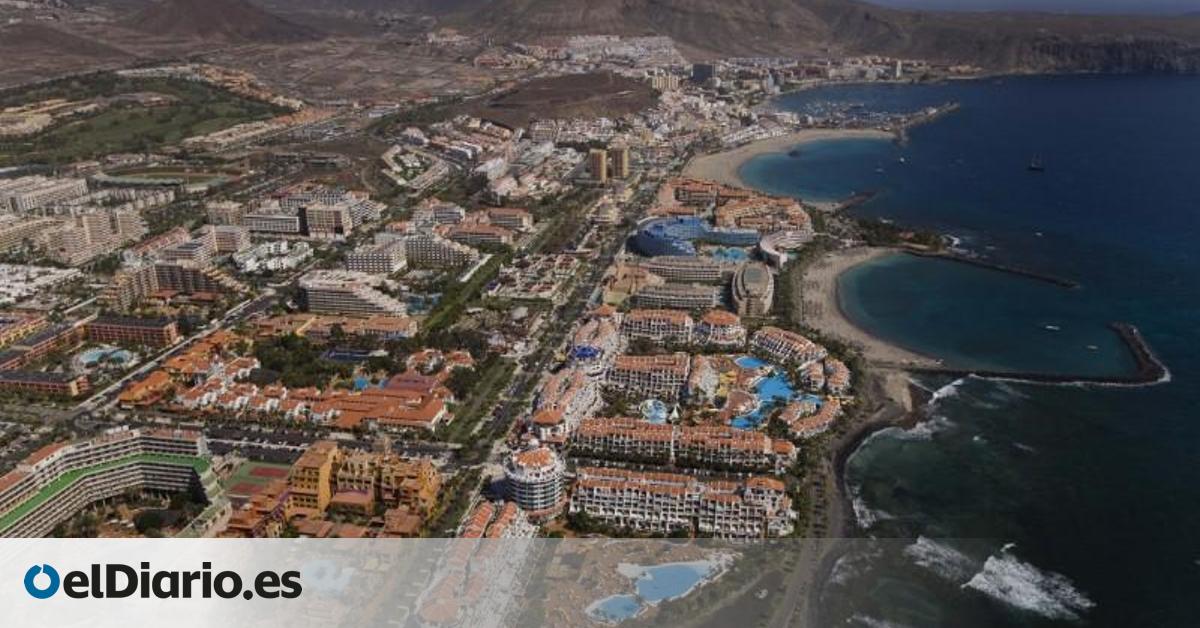
Tenerife has claimed the title of the most populous island in the Canaries. The island’s population jumped from 709,365 to 931,646, an increase of 31.34%. Among its municipalities, Adeje has reported remarkable growth—from 14,007 residents in 2000 to 49,270 in 2022. It’s indicative of broader urbanization trends with more people gravitating towards active urban centers.
Gran Canaria: A Slower Expansion
On the other hand, Gran Canaria has seen a more measured increase in its population, rising from 741,161 to 853,262, which corresponds to a 15.13% growth. Interestingly, while some areas flourished, others faced declines. The populations in regions such as Tejeda and Artenara have contracted significantly, revealing a complex demographic mosaic within the island.
La Gomera and El Hierro: Mixed Stories
La Gomera and El Hierro present their unique demographic narratives. La Gomera, while witnessing a population growth of 19.11% overall, has experienced stark contrasts between municipalities—Hermigua has lost 15.8% of its residents, while Alajeró gained a substantial 51.1%. Meanwhile, El Hierro’s population has grown by 33.87%, with notable gains in Valverde reflecting a shift towards more vibrant local economies.
The Stagnation of La Palma
In stark contrast to the other islands, La Palma has barely seen any change, with its population rising only 1.16%, from 82,483 to 83,439. This stagnation raises concerns about social dynamics and might hint at larger economic challenges that need to be addressed to rejuvenate interest in living and working on the island.
Regional Disparities in Growth Rates
Zooming in on the comarcas highlights the varying demographic trajectories even within the same island. For instance, in Tenerife, the southern regions—Abona and Suroeste—have flourished, registering increases of 134.1% and 117.4%, respectively, largely due to their concentrated tourist activities. Conversely, Daute suffered an 8.4% decrease, illustrating how regional development is often disproportionate and linked to local economic factors.
The Impact of Demographic Changes
The latest data released by the Canary Islands Statistics Institute (Istac) has provoked discussion surrounding demographic challenges, housing accessibility, and the region’s economic model. As population centers become increasingly concentrated in tourism-driven areas, policymakers are faced with the task of balancing growth while recognizing the ecological and social limits of such expansion.
The findings prompt deeper reflection on the necessity of sustainable development initiatives, particularly in areas struggling with depopulation, like La Palma. As islanders contemplate what the future holds, it becomes imperative to prioritize comprehensive and inclusive approaches that do not merely chase numbers but nurture vibrant, balanced communities across the archipelago.
The demographic evolution of the Canary Islands illustrates not just numbers on a page, but the various human stories connected to these statistics—the aspirations, migrations, and lifestyle choices that shape life in this unique corner of the world.