The Mystery of the First Inhabitants of the Canary Islands: Could Purple Have Played a Role?
The enigmatic origins of the first inhabitants of the Canary Islands have long puzzled historians and archaeologists alike. Recently, a compelling hypothesis has emerged, linking the early colonization of these islands to the lucrative ancient trade of purple dye. This theory, revisited by Vicente Cabrera from the University of La Laguna in a study published in Scientific Reports of the Nature group, suggests that the first settlers may have been slaves involved in this thriving business.
The Puzzle of the First Population
The first pieces of the puzzle regarding the ancient population of the Canary Islands lie scattered across the archaeological landscape. Concrete evidence has dated human remains to the early centuries of our era, establishing a timeline for their arrival. Interestingly, genetic studies reveal a strong connection between these ancient inhabitants and the Berber peoples of North Africa, hinting at their origins.
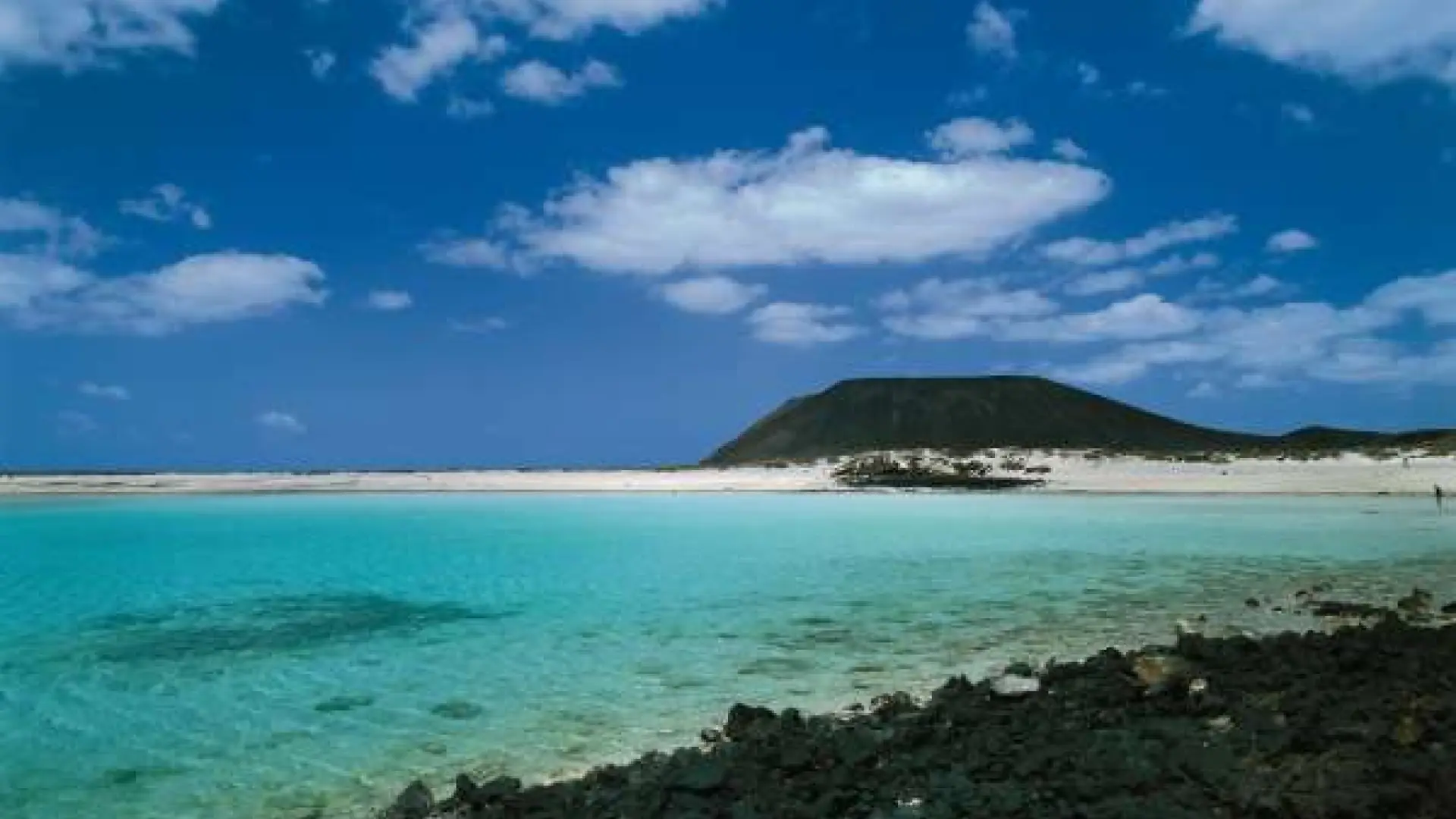
A significant archaeological discovery in 2012, however, threw a new light on this topic. A Roman workshop found on the Islote de Lobos—a small islet near the popular beaches of Fuerteventura—serviced the production of tiny marine snails known as Stramonita haemastoma, which were harnessed to extract the highly coveted “Tyrian purple,” or imperial purple dye, that was in great demand throughout the Mediterranean in ancient times.
Traces of Ancient DNA
The finding at Lobos not only confirmed Roman presence in the Canaries, it provided the first physical evidence to support historical references made by classical historians like Pliny the Elder. Pliny documented an expedition led by the Mauritanian king Juba II to the “Fortunate Isles” in the early years of the Common Era.
Cabrera’s research comprehensively reviews existing literature on the genetic heritage of the early settlers, known as Guanches, and other indigenous groups. By analyzing mitochondrial DNA—which is handed down through maternal lines—he aims to trace these ancestral roots over centuries. His findings reveal that the indigenous Canary DNA shows not only ties to ancient North African populations but also retains genetic markers from Mediterranean ancestors, predominantly Iberians and Italians.
A Land of Mysteries
Two striking anomalies characterize the early cultures of the Canary Islands. Surprisingly, evidence suggests that the early inhabitants did not possess seafaring skills, as there seems to be no record of inter-island communication for over a millennium. Additionally, they lacked both weapons and metal tools during a period when such items were commonplace across much of the classical world.
This raises several intriguing questions. If they arrived in the islands via boats, why did they not continue their maritime endeavors? Did they navigate to the islands or were they brought against their will? Furthermore, if they were aware of metalworking, why did they not introduce any metal implements during the early years of settlement?
Cabrera argues that their relocation was not a spontaneous event; it was, in fact, carefully planned. Archaeological evidence indicates that these early settlers brought with them seeds of crops and fruits, such as figs, as well as livestock, mainly goats, which had not previously existed on the islands.
Were They Slaves?
The conspicuous absence of metal tools and weapons leads Cabrera to propose a controversial conclusion: the movement of these people to the Canaries may have been coerced, possibly even enforced by a power that feared an armed populace. This naturally invites the question: Could they have been slaves?
Cabrera points to the workshop at Lobos as pivotal in addressing this query. In ancient Rome, the labor force in dyeworks was organized hierarchically, with elite owners at the top, skilled artisans, and a base of workers—often slaves—providing an abundant labor supply.
He posits that the Lobos workshop was likely part of a broader network of production, with many similar, yet undiscovered, operations throughout the islands. The dye harvested was economically not substantial enough to support the cost of transporting grapes of snails to Rome, hinting that there were likely more workshops that contributed to this industry.
Furthermore, Cabrera speculates that artisans skilled in dye production were likely recruited from existing workshops around the Mediterranean, while the labor force—potentially enslaved individuals—could have been captured or purchased from nearby locations, including the Moroccan port of Mogador, present-day Essaouira, which was known for its own purple dye industry during that era.
The Genetic Legacy
So, do the contemporary Canary Islanders trace their lineage back to those who might have been enslaved in the purple dye business? Cabrera’s genetic analysis suggests that this could indeed be the case. When the trade ceased to be profitable, it’s posited that these individuals were left abandoned on the islands, going unrecognized until their eventual rediscovery centuries later.
By weaving together insights from genetics, archaeology, and historical context, Cabrera’s work opens new avenues for understanding the origins of the populations that populate the Canary Islands today and the complex histories that shaped them.