Dreamland: A Cinematic Dream or an Environmental Dilemma in Fuerteventura?
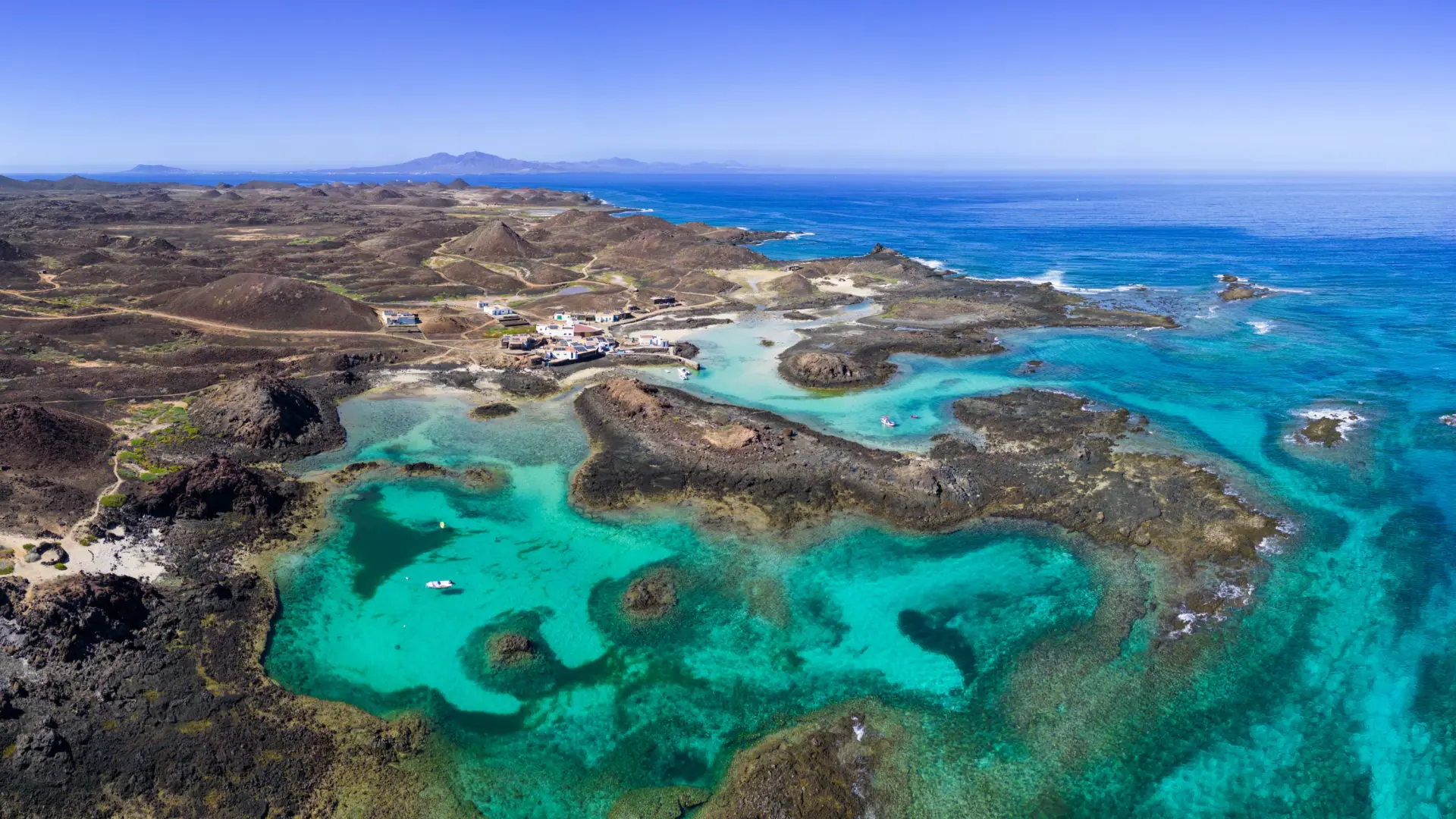
The Cabildo of Fuerteventura has been embroiled in discussions for months over the proposal to designate the controversial project Dreamland as a Bien de Interés Insular (Asset of Insular Interest). This private initiative aims to construct an expansive film city on a staggering 160,000 square meters in the north of the island. The location is alarming for many because it’s situated near the Special Protection Area for Birds (ZEPA) of the Corralejo Dunes and Lobos Islands, the Special Conservation Area (ZEC) of Corralejo, and the Corralejo Natural Park. This striking area is famous for its golden sand dunes, breathtaking beaches, and unique views of nearby volcanoes and species that thrive in this habitat.
The Environmental Concerns
One of the most contentious aspects of the Dreamland project is its proximity to habitats crucial for the survival of numerous bird species. This region is home to at least thirty bird species, including three endemic subspecies threatened with extinction: the Canary bustard (Chlamydotis undulata fuertaventurae), the Canary raven (Corvus corax canariensis), and the Egyptian vulture or guirre (Neophron percnopterus majorensis), according to the NGO SEO/BirdLife.
Environmental organizations have been vocal against the project, warning that Dreamland could considerably impact these protected species, especially given the recent increase in habitat decline. Such concerns haven’t gone unnoticed; during a recent assembly, the Cabildo acknowledged these threats even while moving forward with the project.
Political Controversy
On a recent Monday, the Cabildo meeting ended in a tie, with 11 votes for and 11 against declaring the project Asset of Insular Interest. Those in favor included members from the PSOE, Nueva Canarias, and AMF, among others, while Coalición Canaria and the Partido Popular stood firmly against it. Speculation is rife regarding a controversial vote by a Podemos member facing expulsion, further complicating party dynamics surrounding the issue.
The approval allows the land to be converted from rural to urban, preparing the ground for construction—a move that environmental groups and some in the film industry warn could have dire consequences.
Local Opposition
Many locals have expressed their discontent, filling assembly halls with banners opposing Dreamland. Angry cries of “traitor” were directed at the Podemos councilor who voted in favor of the project despite the party’s unanimous rejection of it just a week prior. The party’s dissenters have argued that the project’s location remains the same, being dangerously close to the natural park.
As noted by Lilian Concepción Álvarez, the spokesperson for Podemos in Fuerteventura, the initiative exacerbates previous planning failures. Dreamland is perceived by many as “more of the same,” reflecting a model that prioritizes large development near delicate ecosystems.
Alternative Locations Proposed
In the recent assembly, representatives from the PP and CC proposed amendments to explore alternative locations for Dreamland, suggesting less sensitive sites with established infrastructure. However, these amendments were rejected, leading to further frustration among those concerned about balancing development with ecological preservation.
The Scale of Dreamland
Dreamland Studios, as envisioned by its developers, will encompass a massive area featuring not only film studios but also a range of facilities intended to enhance Fuerteventura’s economic landscape. The proposal includes the largest film set in Europe, at over 6,000 square meters, alongside additional smaller studios and a specialized post-production facility.
Moreover, plans suggest the addition of retail outlets, restaurants, a water tank for filming aquatic scenes, and an educational center aimed at training around 200 students annually for careers in the film industry. Dreamland’s promoters anticipate creating roughly 400 direct jobs and another 1,000 indirect jobs, touting the potential for high salaries in a burgeoning sector amid the digital age.
Dreams of a Theme Park
The project also envisions a theme park combining immersive virtual reality experiences and an exhibit space dubbed the Museum of the Future. The concept is intended to educate the public on cutting-edge technologies, including AI and immersive experiences. This ambitious addition will supposedly require a skilled workforce for its development and operation, highlighting a blend of entertainment and education.
Environmental and Social Implications
Critics, including SEO/BirdLife, question the genuine environmental implications of such a large-scale project. They argue that while the initiative is positioned to benefit local economies, the negative ecological repercussions—stemming from habitat destruction and disturbance to wildlife—far outweigh any positive outcomes for the community.
Mario Cabrera, a representative from Coalición Canaria, argued that Dreamland contradicts the principles of sustainable development essential to protecting Fuerteventura’s unique identity and resources. By pressing forward with this venture, many fear the local government is prioritizing short-term gains over long-term ecological stability.
The Protected Species at Risk
A core issue remains the impact of Dreamland on protected species like the Canary bustard. Research indicates a severe decline of this subspecies, particularly near where the project is proposed. The European Environmental Directive mandates that member nations safeguard biodiversity, particularly in habitats harboring endangered species.
In summary, the debate surrounding Dreamland encapsulates broader questions about development versus environmental conservation in vulnerable ecosystems. As the project moves forward, the ongoing discourse will shape not only the future of Fuerteventura’s landscapes but also its ecological legacy for generations to come.