A Night to Remember: How the World Cup Final Revived Hong Kong’s Nightlife
Who would have thought that a World Cup final match screened at a traditional dim sum restaurant at 3 AM could become a lesson in business survival? Hong Kong’s latest bout of football fever offers some out-of-the-box insights into how unique experiences can breathe life back into a city’s nightlife and provide a much-needed boost for struggling businesses.
The Football Frenzy
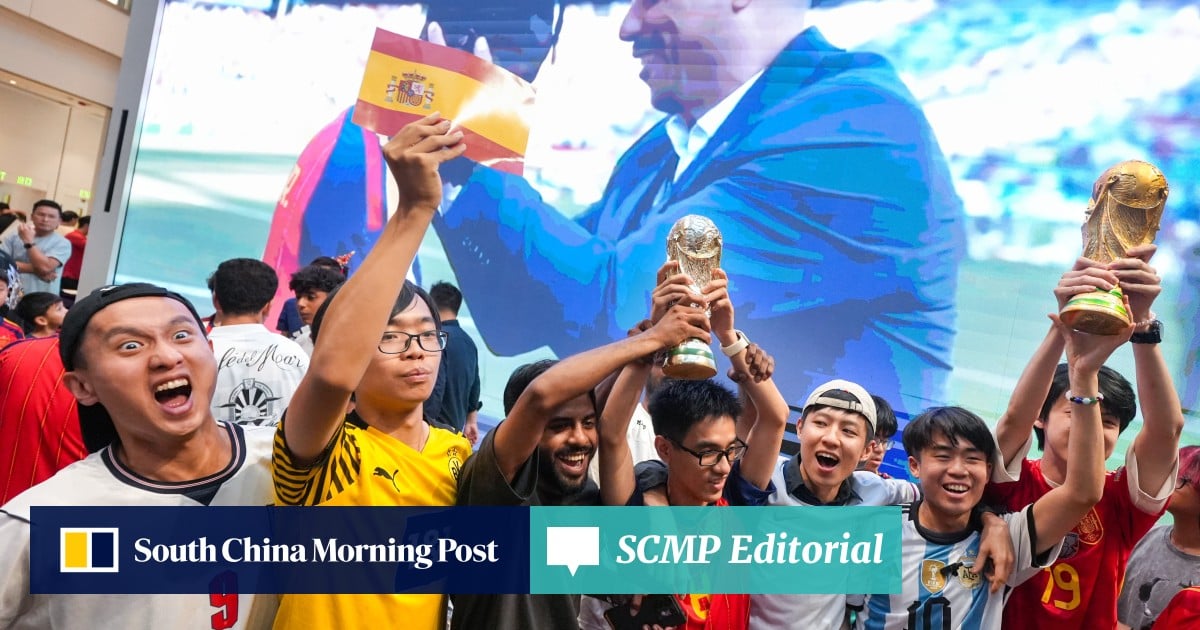
The overnight crowds that gathered to watch the thrilling showdown between Spain and Argentina at venues like Lin Heung Lau and various shopping centers starkly contrasted the post-COVID trend of early closures. The five-week football frenzy reportedly brought the local catering industry a staggering HK$500 million (US$63.8 million) windfall. This unexpected surge in late-night activity highlights a significant shift in consumer behavior, revealing a hunger for social experiences that had been stifled during the pandemic.
Capitalizing on Changing Habits
As spending habits and expectations evolve, businesses have shown remarkable adaptability. Many establishments seized the opportunity to cater to football fans by setting up booths offering bubble tea and delivering dim sum directly to viewing areas. A supermarket chain even opted to stay open overnight, ensuring that fans had access to snacks and refreshments. Taxis lined up outside, ready to whisk excited patrons home after the match, further illustrating the demand for late-night services.
The Allure of Shared Experiences
The message is clear: people are eager to stay out late. The diverse crowd drawn to live-streaming events spanned generations, united not just by a love for football but also by the joy of shared experiences. The World Cup business boom demonstrated that there are still lucrative opportunities for businesses willing to think creatively and cater to the desires of their customers.
Redefining Nightlife
Nightlife in Hong Kong need not be confined to bars and clubs. The success of restaurants and malls during the World Cup challenges the notion that certain foods and occasions belong to specific times and places. When a teahouse transforms into a live-screening venue for sports, and a shopping center morphs into a midnight fan zone, the possibilities for innovation are endless. This shift encourages businesses to rethink their offerings and embrace creativity in how they engage with customers.
Beyond Sports: A Broader Application
The lessons learned from this football frenzy extend beyond the realm of sports. Retailers and restaurateurs can benefit from reimagining their approach during festivals, concerts, cultural celebrations, and community events. The same success seen during the World Cup can be replicated in various contexts, provided that the experiences offered are compelling enough to draw in crowds.
Embracing the Future
As Hong Kong continues to navigate the post-pandemic landscape, the recent surge in late-night activity serves as a reminder of the resilience and adaptability of its businesses. By embracing creativity and focusing on unique experiences, establishments can not only survive but thrive in this new era. The World Cup final may have been just a match, but its impact on the local economy and nightlife is a testament to the power of community and shared experiences.