The Golden Goal of the 2026 FIFA World Cup
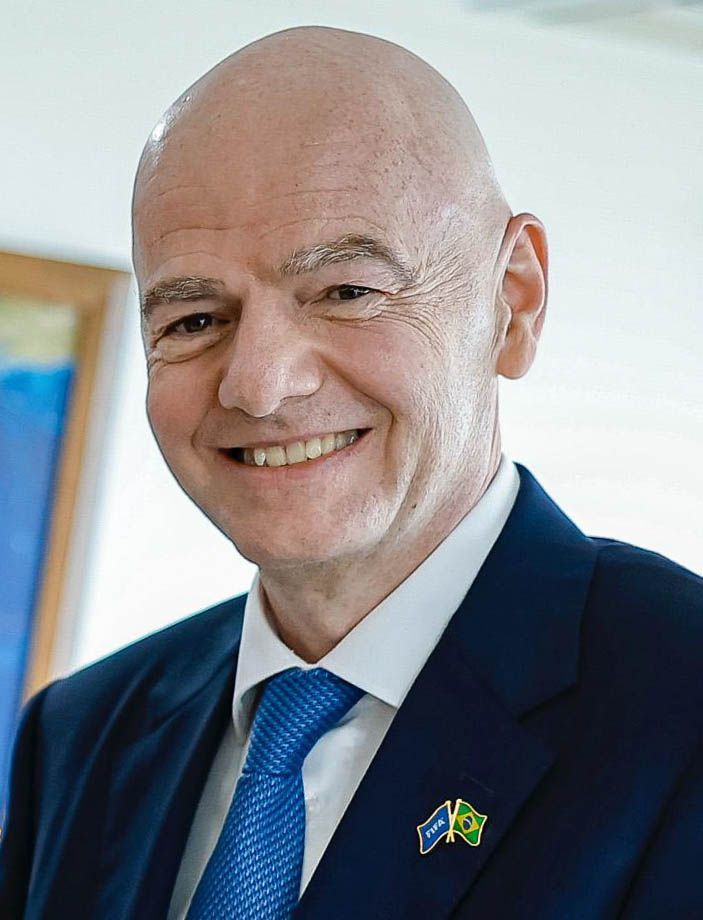
FIFA President Giovanni Infantino.
Opinion | July 22, 2026
by Leader Column
As the dust settles on the recently concluded FIFA World Cup, one might ponder the essence of the tournament. What truly was the “golden goal”? While many answers could emerge, perhaps the most fitting is that the tournament unfolded peacefully, crowned a worthy champion, and gifted billions of fans around the globe with cherished memories.
A Successful Tournament
In this regard, the 2026 FIFA World Cup can be deemed a success. With 48 teams from every corner of the globe competing across three host nations, the tournament showcased a trophy that genuinely represented the world. The excitement and camaraderie were palpable, as fans united in their love for the beautiful game.
The Nature of Competition
However, the tournament was not without its controversies. Fans and analysts alike raised eyebrows over referee decisions and the overall quality of the final match. Spain, the eventual champions, dominated the shots on goal but only managed to find the net once. In stark contrast, Argentina, the defending champions, failed to register a single shot on target. This discrepancy raises a valid question: did the two best teams truly face off in the final?
Memorable Moments
Despite the final’s lackluster nature, the tournament delivered thrilling moments throughout. The third-place playoff between France and England was a spectacle, featuring ten goals and no extravagant halftime show. This highlights the unpredictable nature of football—victory can come from both beautiful play and gritty determination.
The Legacy of Argentina
For Argentina, the tournament will be remembered for Lionel Messi’s emotional farewell. His tears at the end of the match encapsulated the passion and heartache that football can evoke. While the team may have lost, Messi’s legacy as one of the sport’s greatest players remains intact.
Global Highlights
Over the five weeks of the tournament, fans were treated to remarkable displays of skill and teamwork. Cape Verde’s defense, anchored by Dublin’s Pico Lopez, was a standout, while players from Egypt and Morocco dazzled with their talents. The USA’s journey, filled with highs and lows, added to the rich tapestry of the tournament. From the vibrant stadiums in Mexico City to the bustling crowds in Kansas City, the atmosphere was electric.
The Final Showdown
The final match, held in the New York/New Jersey Stadium, was a culmination of FIFA President Giovanni “Gianni” Infantino’s vision. As reported by the New York Times, the 2026 World Cup was a grand spectacle: multiple host nations, 104 matches, and projected revenues exceeding $10 billion. Infantino’s leadership has been both celebrated and criticized, making him a polarizing figure in the world of football.
Infantino’s Role
Infantino’s Italian heritage contrasts with his Swiss nationality, perhaps giving him a unique perspective as he navigated the complexities of international football. His role in presenting a peace prize to President Trump further complicates his legacy. On the final day of the tournament, he played the part of chief usher, guiding Trump off the stage as the Spanish team celebrated their victory—a moment that will be etched in the memories of many.
Looking Ahead
As the 2026 World Cup fades into history, teams are already strategizing for the 2030 tournament, which will primarily take place in Portugal, Morocco, and Spain. The trophy may remain in Spain if they successfully defend their title, or it could change hands to another deserving nation.
The Golden Goal
Ultimately, the golden goal of the World Cup lies in the memories created and the hope for future tournaments. As passionate soccer enthusiasts turn their attention to 2030, the spirit of the game continues to thrive, reminding us of the joy and unity that football brings to millions around the world.


