European Heatwave: A Rising Challenge
As summer unfolds, several European countries are grappling with an intense heatwave that has sent temperatures soaring to alarming levels. This extreme weather phenomenon is not just a fleeting inconvenience; it poses serious health risks and raises concerns about the broader implications of climate change.
The Scope of the Heatwave
The current heatwave is affecting a vast area across Europe, with France emerging as one of the hardest-hit nations. Reports indicate that 35 out of France’s 96 departments are under the highest-level, or “red,” heatwave alert. This designation is reserved for situations where the heat poses a significant risk to public health, and it underscores the severity of the current conditions.
Record-Breaking Temperatures
In many regions, temperatures are expected to reach staggering heights, with forecasts predicting 39 to 40 degrees Celsius in areas stretching from the southwest of France to Paris and Burgundy. Some locations may even experience temperatures climbing to 41 degrees Celsius. Such extreme heat not only affects daily life but also poses serious health risks, particularly for vulnerable populations such as the elderly and those with pre-existing health conditions.
Government Response and Public Health Measures
In light of the escalating situation, French authorities have taken decisive action to mitigate the risks associated with the heatwave. Following an emergency government meeting, Prime Minister Sébastien Lecornu announced a ban on alcohol consumption in public areas during the Fête de la Musique, an annual music festival celebrated across the country. This measure aims to prevent health complications that could arise from alcohol consumption in extreme heat.
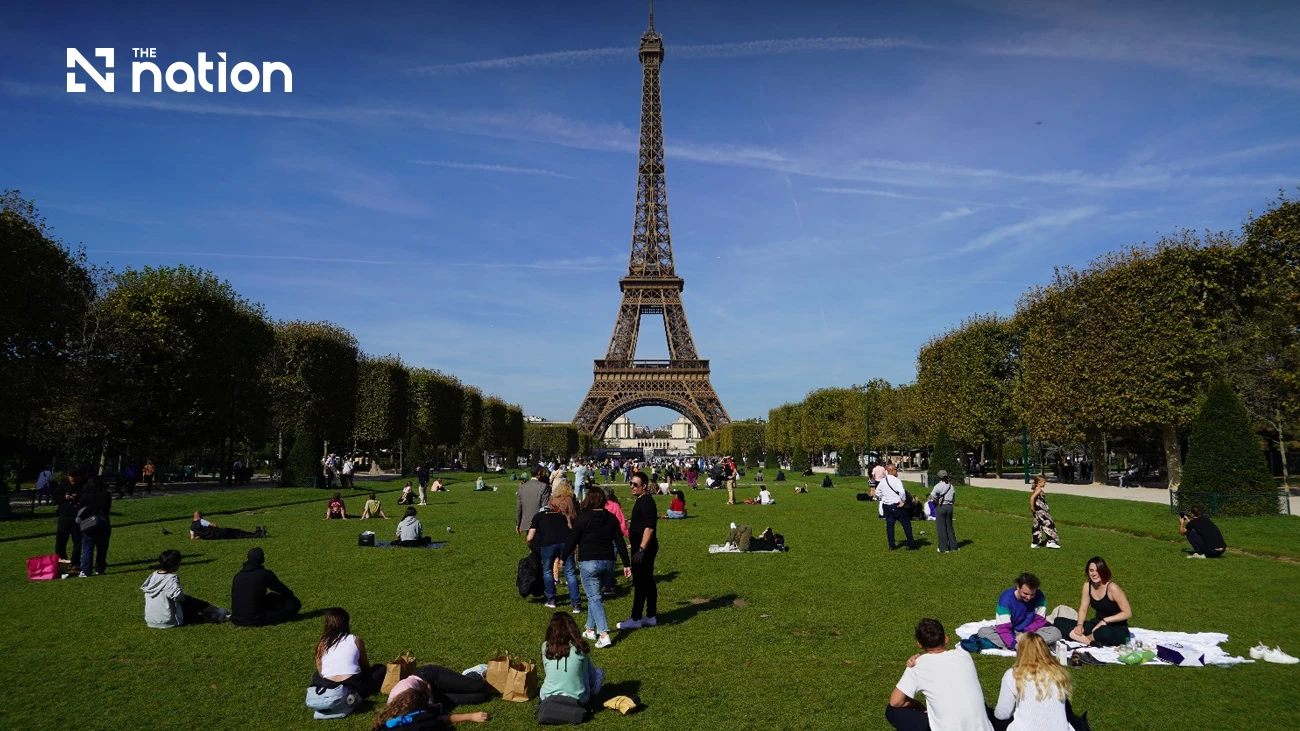
Additionally, Paris authorities have implemented measures to provide relief to residents. Public parks have been ordered to remain open 24 hours a day, offering citizens a refuge from the sweltering temperatures. These parks serve as vital spaces where individuals can find shade, rest, and hydrate, helping to alleviate the heat’s impact.
Economic Implications
The heatwave is not just a public health concern; it also has significant economic implications. As temperatures rise, productivity can decline, particularly in sectors like agriculture and construction, where outdoor work is essential. Farmers may face crop damage due to heat stress, while construction projects could be delayed, leading to financial losses.
Moreover, the increased demand for electricity to power air conditioning units can strain energy resources, potentially leading to blackouts in some areas. Governments must balance the immediate need for public health measures with the long-term economic impacts of such extreme weather events.
Climate Change: A Growing Concern
This heatwave serves as a stark reminder of the growing risks associated with climate change. As global temperatures continue to rise, extreme weather events like heatwaves are becoming more frequent and severe. Scientists warn that without significant action to curb greenhouse gas emissions, we may face even more intense and prolonged heat events in the future.
The current situation in Europe highlights the urgent need for comprehensive climate policies that address both mitigation and adaptation strategies. Communities must be equipped to handle the increasing frequency of extreme weather, ensuring that public health and safety are prioritized.
Community Resilience
In the face of such challenges, community resilience becomes crucial. Local organizations and volunteers are stepping up to provide support to those most affected by the heat. Initiatives such as cooling centers, hydration stations, and outreach programs for vulnerable populations are essential in helping communities navigate the heatwave.
As Europe endures this intense heatwave, the collective response from governments, local authorities, and communities will play a pivotal role in safeguarding public health and well-being. The situation serves as a call to action for all of us to consider how we can contribute to building a more resilient future in the face of climate change.