Reducing Taxes for Restaurants: A Call for Economic Revival
In the midst of ongoing economic challenges, the recent proposals presented by Fuertegourmet highlight a critical need for systemic change within the restaurant industry in the Canary Islands, specifically calling for tax reductions and other supportive measures. A significant request involves lowering the General Indirect Tax on Canaries (IGIC) from 7% to a much friendlier 3% for restaurants. Additionally, Fuertegourmet stressed the importance of implementing a 0% tax rate for water and essential products used in restaurant services. This proposal, if adopted, could lead to substantial financial relief for restaurant owners, potentially allowing them to offer better prices to their customers.
The Importance of Investment Deductions
Another pivotal aspect discussed during the meeting was the need to equalize the Deduction for Investment in the Canary Islands (DIC) to 80%. This adjustment aims to simplify the process for entrepreneurs looking to modernize their establishments and equipment. Upgrading facilities and machinery is crucial for improving service quality and efficiency, and this tax incentive could significantly bolster the local business environment. By easing the financial burden associated with these investments, more restaurant owners may feel empowered to innovate and revitalize their operations.
Housing Crisis: An Inhibitor to Employment
However, efforts to bolster the restaurant sector must also confront a pressing issue: the housing crisis affecting personnel. The lack of affordable housing represents a formidable barrier to attracting and retaining quality staff within the industry. To address this concern, Fuertegourmet proposes fiscal incentives for employers who provide accommodation options for their employees. This initiative could help alleviate the burden on workers, making it easier for restaurants to hire the talent needed to deliver exceptional dining experiences.
Support for the Primary Sector
Moreover, Fuertegourmet voices deep apprehension regarding the support allocated to the primary sector, questioning why increased aid has not resulted in lower costs for restaurants. Despite the intention to subsidize agricultural activities and food production, the reality is that restaurant owners continue to bear high acquisition costs for ingredients. This disconnect between support and pricing remains a central concern as it directly impacts the viability of the restaurant business. It highlights the need for a more cohesive strategy that aligns aid with real-world pricing benefits in the culinary sector.
A Unified Call to Action
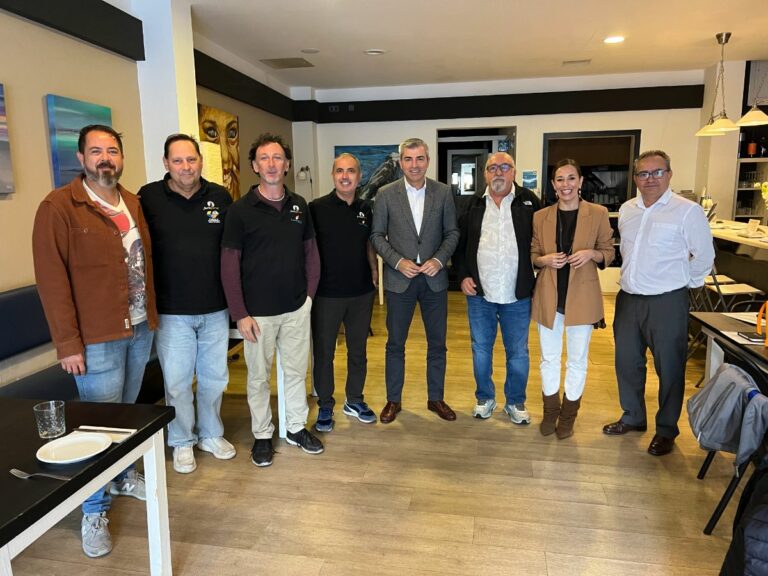
Gustavo Astrada, a representative from Fuertegourmet, concluded the meeting with a poignant remark: “This gathering is not merely a checklist of demands; it is a heartfelt appeal for sensitivity.” His message emphasizes a shared responsibility for fostering a robust and stable employment landscape in the Canary Islands. By addressing these requests transparently and timely, the government can contribute to a more resilient and thriving local economy.
Vice President Manuel Domínguez pledged to consider these proposals seriously, particularly regarding the DIC adjustments and the envisioned fiscal incentives. His commitment to elevate these discussions with the Spanish government underscores the importance of collaboration in navigating the challenges the local restaurant sector faces.
Fuertegourmet: Championing Culinary Excellence
Fuertegourmet stands out as a pivotal entity in the advocacy and promotion of the gastronomic sector and broader agro-food value chain in Fuerteventura. With a clear focus on excellence, sustainability, and local business growth, Fuertegourmet embodies the aspirations of culinary entrepreneurs dedicated to fostering a vibrant dining culture. By advocating for the necessary regulatory changes and support, they strive to elevate the restaurant sector, ensuring it thrives in the face of ongoing challenges.
The outcomes of these discussions may set a precedent for future policy-making, demonstrating the potential for positive change through unity and collaboration across sectors.