The Marine Conservation Efforts in Fuerteventura
Fuerteventura, one of Spain’s stunning Canary Islands, has earned global recognition for its dedication to marine wildlife protection. This reputation was solidified in the aftermath of a tragic incident on September 24, 2002, when 14 Cuvier’s beaked whales (zifios) stranded along the island’s coast. The event occurred during NATO’s high-intensity naval exercises named NEOTAPON 02, which involved the deployment of potent mid-frequency active sonar. This incident triggered a profound shift in marine conservation policies and scientific research efforts on the island.
A Turning Point in Marine Conservation
The horror of witnessing the death of these majestic creatures prompted scientists from the Universidad de Las Palmas de Gran Canaria (ULPGC) to investigate the causes of the stranding. Their thorough research established a clear link between the naval exercises and the fatalities among the cetaceans. This investigation not only resulted in increased awareness but also led to the establishment of an anti-sonar moratorium, positioning Fuerteventura as a leading advocate for whale and dolphin protection worldwide.
The Atlantic Environmental Conference (CAM)
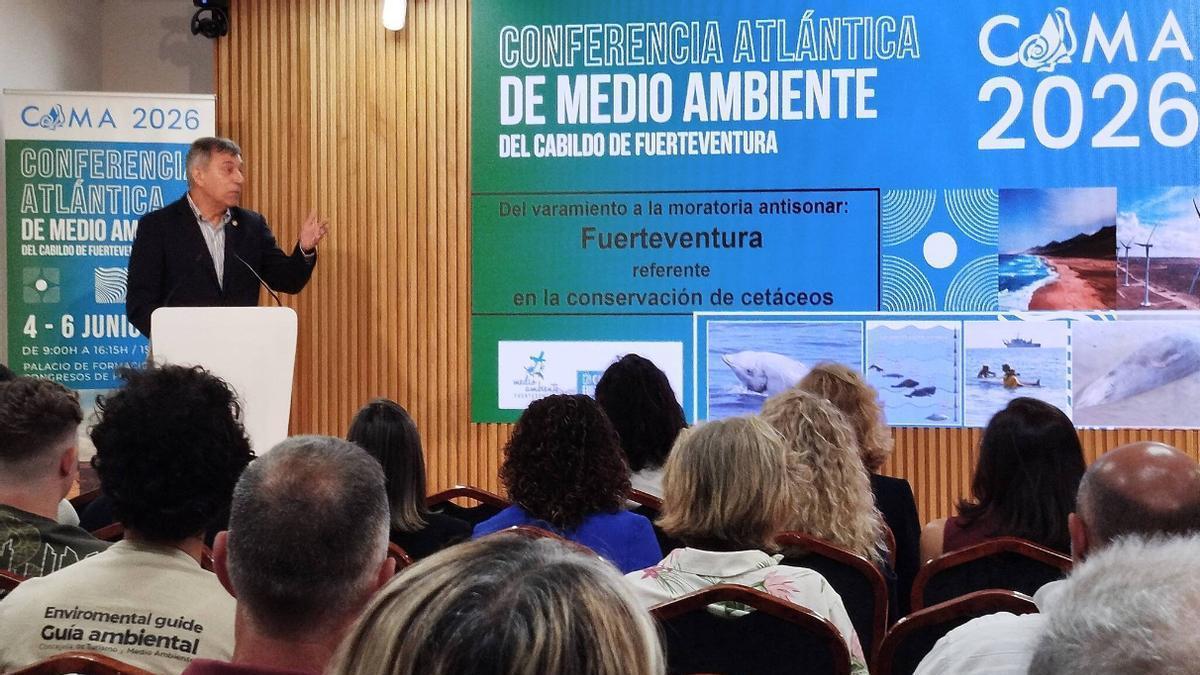
The significant strides in marine conservation were highlighted in recent events, notably the Conference Atlántica de Medio Ambiente (CAM), organized by the Cabildo de Fuerteventura through the Environmental Department. This three-day conference brought together experts, public administrations, and professionals dedicated to territorial conservation and combating environmental challenges.
The focus areas of CAM included vital themes such as biodiversity, circular economy, climate change, and environmental communication and awareness. With over fifteen specialists scheduled to share their knowledge and proposals, the conference served as a platform for advancing sustainable and resilient models for the Canary Islands.
Scientific Rigor and Biodiversity
During the conference’s opening, Marlene Figueroa, the island’s Minister of Ecological Transition and Environmental Sustainability, emphasized the importance of taking decisive, scientifically-backed actions to safeguard biodiversity and mitigate the impacts of climate change. Her statement reinforced Fuerteventura’s commitment to preserving its unique ecosystem for future generations.
Meanwhile, Carlos Rodríguez, the island’s Minister of Environment, underscored the conference’s role as a hub for knowledge sharing, aiming to create synergies that can lead to practical solutions to the pressing environmental issues facing Fuerteventura and other islands.
Remembering a Tragic Past
A poignant moment during the conference was the presentation by Antonio Fernández, a professor in Veterinary Pathology at ULPGC. He recalled the 2002 stranding incident that catalyzed the anti-sonar moratorium, illustrating how scientific inquiry has fortified this policy. Nearly 25 years later, the actions initiated by that tragic event have been recognized globally as a model for other regions grappling with similar marine conservation challenges.
Addressing Desertification
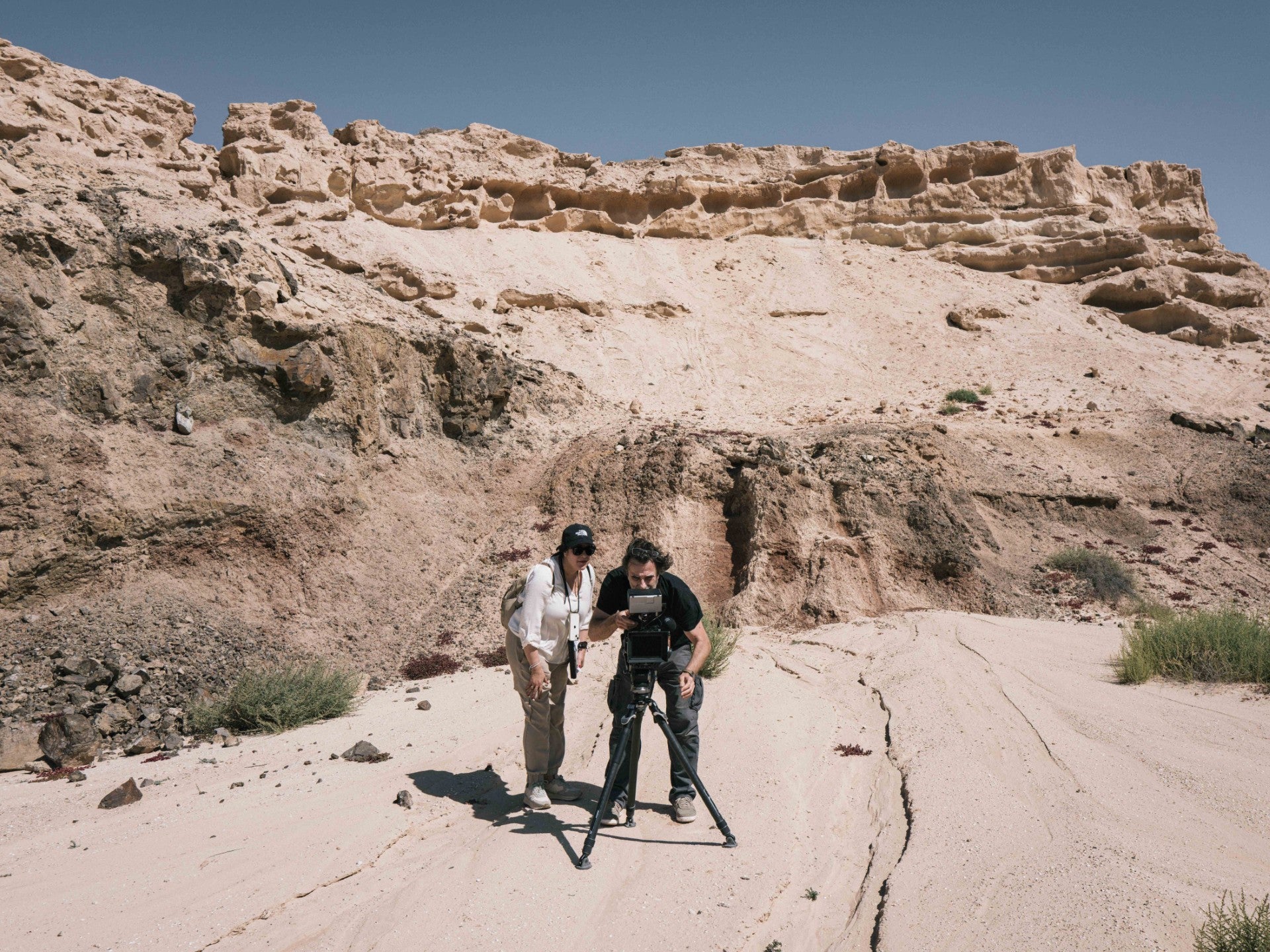
Another pressing concern was discussed by Marisa Tejedor, the president of the National Committee of UNESCO’s MaB Program in Spain. She shared insights on desertification, a critical problem identified by the European Union. Tejedor noted that Fuerteventura is at risk of desertification affecting 100% of its land. She highlighted the need for effective strategies to combat this phenomenon, particularly in the context of climate change.
Collaborative Efforts for a Sustainable Future
The CAM conference exemplified the collaborative spirit driving conservation efforts on the island. Experts shared innovative projects and experiences, showcasing how Fuerteventura can emerge as a model for sustainable development, not just in the Canary Islands but globally. The ongoing dialogue among scientists, policymakers, and conservationists exemplifies the island’s collective commitment to tackling environmental challenges head-on.
In summary, Fuerteventura stands as a beacon of hope for marine conservation, driven by scientific research and proactive policymaking. The lessons learned from past tragedies continue to inspire a robust framework for protecting the fragile marine ecosystems surrounding this beautiful island. The commitment of its residents and leaders to creating a sustainable future for both the land and sea is paving the way for a cleaner and more resilient environment.