Exploring Rare Earth Elements: The Potential Impact of Tenáridos’ Initiative in Fuerteventura
Introduction to Tenáridos and Rare Earth Elements
Tenáridos, a company under the Satocan group, is stirring interest in the Canary Islands with its recent request to the Government of the Canary Islands. The company seeks permission to investigate the presence of “rare earth” elements in Fuerteventura, particularly in “alkaline plutonic complexes with carbonatites” located to the west of Puerto del Rosario. This exploration could potentially unlock vital resources that play a crucial role in various modern technologies.
Understanding Carbonatites and Their Significance
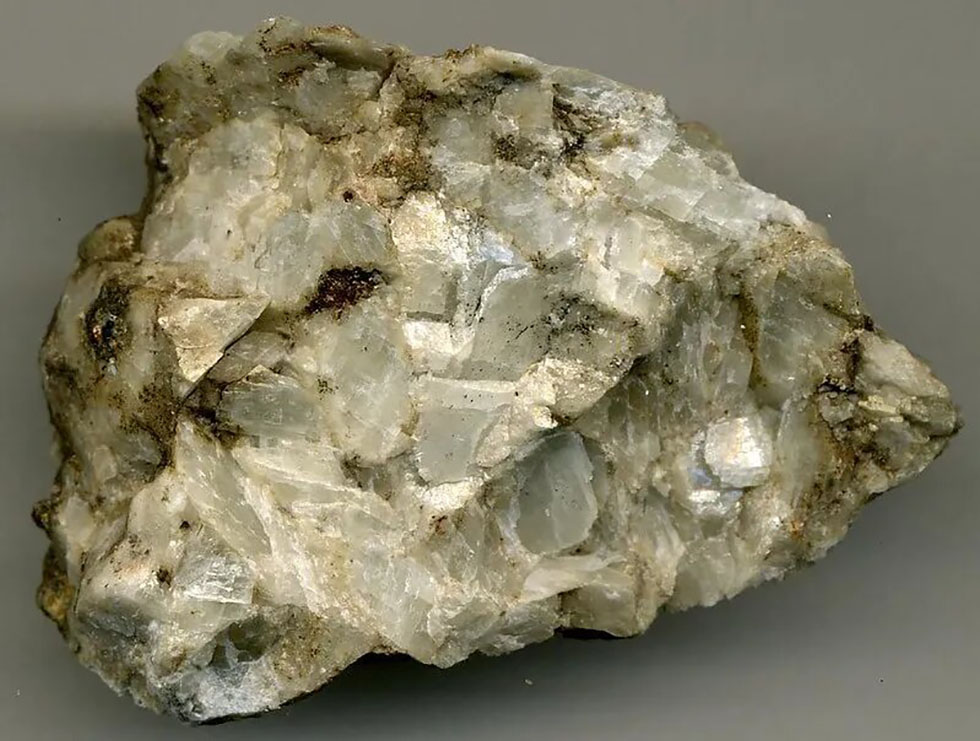
Carbonatites are intriguing geological formations rich in carbonate minerals. According to specialized resources like Rock Identifier, these formations are primarily known as a source of niobium—a critical element used in steel alloys for making gas pipelines, and applications in optics, electronics, and even the nuclear industry. Such a resource is increasingly sought after in our technology-driven world, adding another layer of significance to the company’s request.
The Importance of Rare Earth Elements
Rare earth elements (REEs) have become essential in manufacturing a wide array of high-tech devices. Tenáridos has highlighted that these elements are critical in producing electronics, electric vehicles, and wind turbines. As sustainability and green technologies gain traction, the demand for these minerals is on the rise. SEs are at the forefront of enabling innovations that power our modern economy and contribute to environmental conservation.
The Request for Permission and Public Exposure
The Directorate General of Industry for the Government of the Canary Islands accepted Tenáridos’ application on January 29. The documentation has now entered a public consultation period lasting 20 days, allowing for any objections or comments. This step is crucial in engaging local communities and stakeholders in discussions surrounding potential mining activities and their implications.
Mapping the Exploration Area
Tenáridos aims to conduct its research over four square grids, encompassing a total of 1.34 square kilometers. The targeted area is notably close to the Betancuria Rural Park, a protected natural space. This proximity raises concerns about the environmental impact of any mining operations. The careful selection of the exploration site reflects the delicate balance between economic development and ecological preservation.
Phases of the Exploration Process
The company plans a structured approach to its exploration. In the second year of the three-year permit, exploratory drilling is scheduled to commence, designed to assess the feasibility of large-scale extraction. This initial phase will be crucial for gathering data to inform future decisions and potential environmental impacts.
Economic and Environmental Considerations
In the third year, Tenáridos intends to conduct an economic feasibility study along with an environmental impact assessment. These steps are critical in determining whether the project is viable. If the research yields positive results, the company would advance to the development phase, which entails planning mining operations and securing additional necessary permits.
Long-Term Vision for Sustainability
Tenáridos stresses the growing demand for rare earth elements over the next decade. Their commitment to conducting thorough investigations aims to guarantee a sustainable supply of these essential minerals, which are indispensable for various industries. A transparent, comprehensive approach is crucial to establishing a responsible framework for the potential commercial extraction of these resources.
Conclusion and Future Steps
While Tenáridos’ initiative opens up exciting opportunities for mineral exploration in Fuerteventura, it also brings to the forefront important discussions about environmental sustainability, community engagement, and technological advancement. As stakeholders consider the implications of potential mining activities, the balance between resource extraction and ecological protection will be paramount in shaping the future of the region.