Resistance to the New Northern-Southern Highway in Fuerteventura
The proposal for the new northern-southern highway, particularly the stretch from Corralejo to Jandía affecting the Cuchillete-Matas Blancas area, has sparked significant concern among local residents and organizations. “La Coordinadora Fuerteventura Tiene Un Límite” has vocally opposed this development, emphasizing that regardless of any adjustments to the route, it ultimately adheres to a model of mass tourism that poses serious risks to the island’s natural and economic landscape.
Community Mobilization and Alternatives Proposed
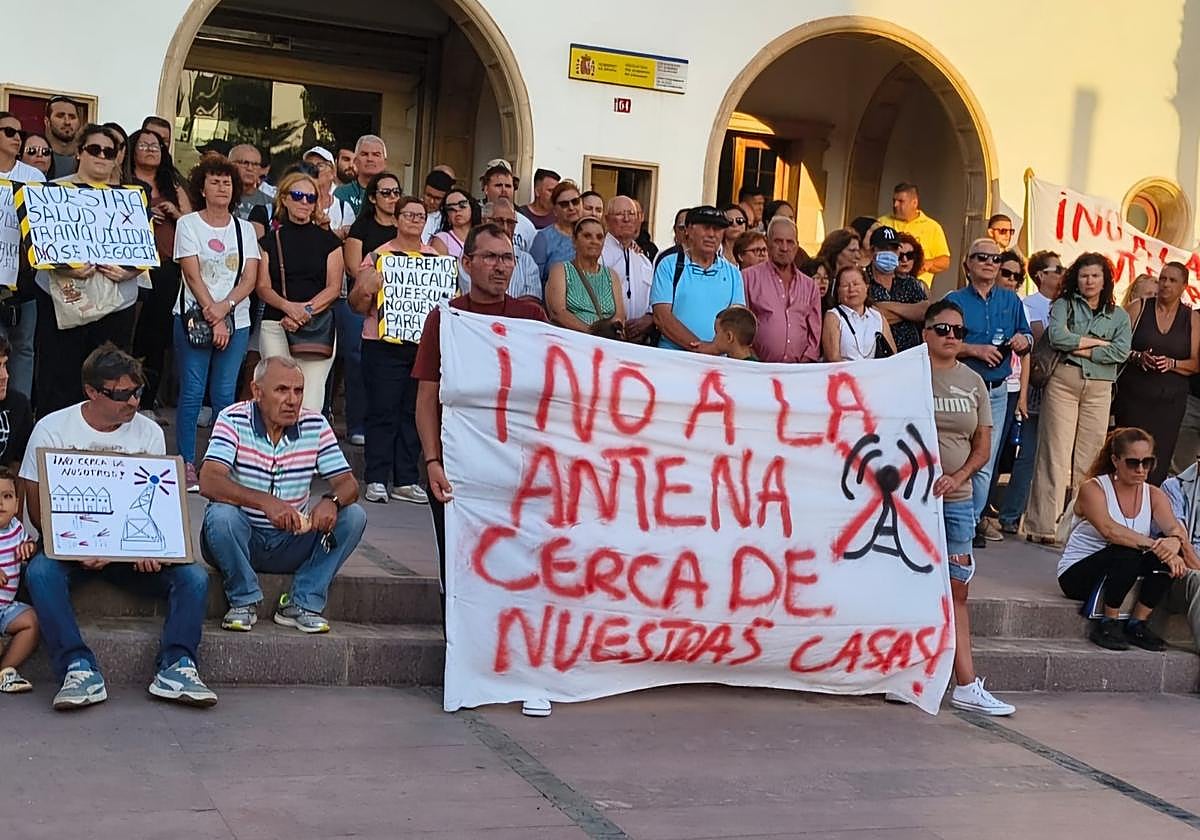
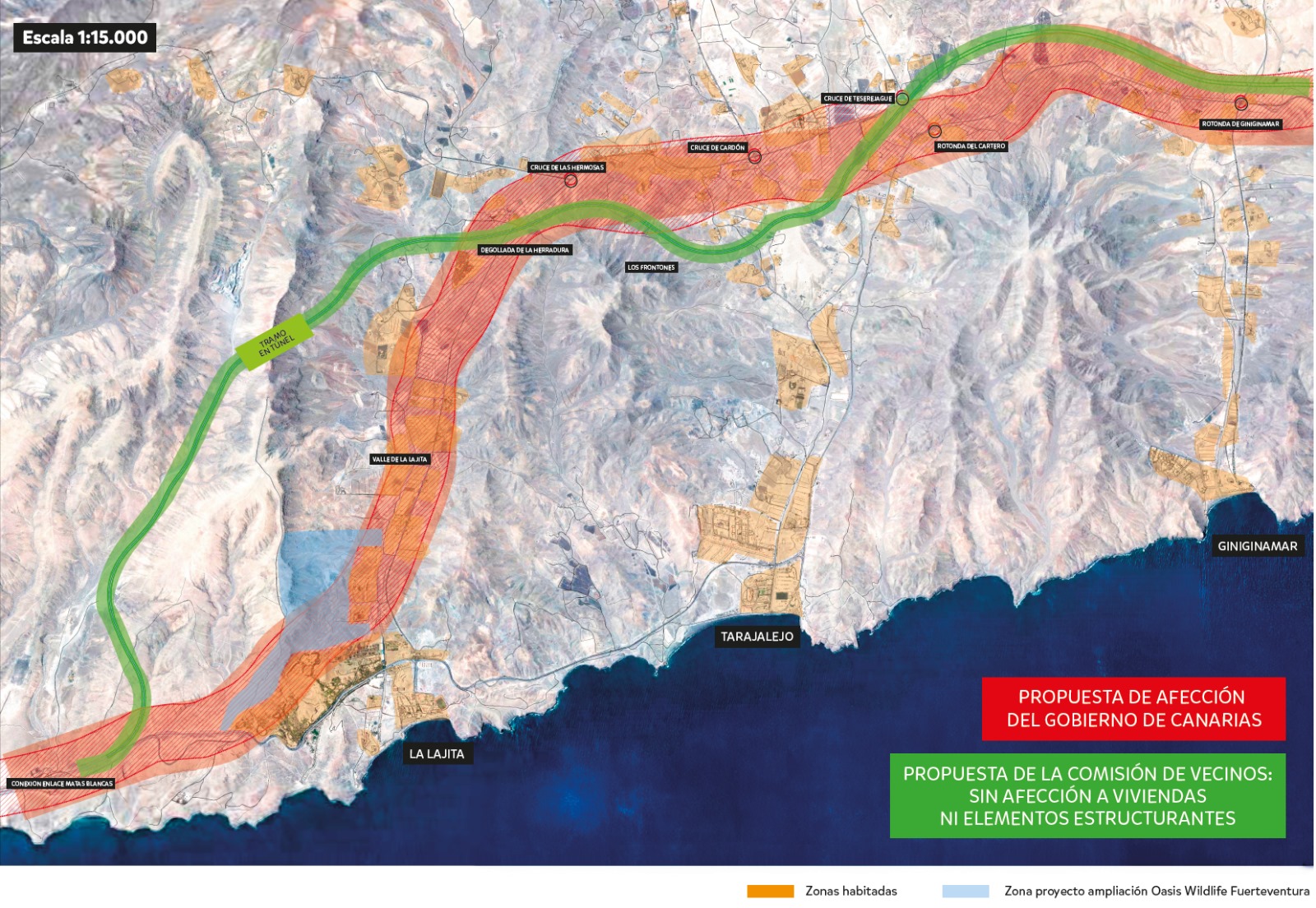
In recent weeks, opposition to the proposed route has intensified, particularly after mobilizations organized by residents, business owners, and farmers from La Lajita. These groups have raised alarms about the project’s potential to disrupt around 80 hectares of agricultural land, housing, and even the Oasis Wildlife Fuerteventura park. They proposed an alternative route that would divert the highway through the Valle de Guerepe, aiming to minimize the disruption to local economic activities.
The pressure from the community has prompted the Canary Islands government to reconsider the initial plan. This shift reflects a broader dialogue around potential modifications to the original proposal, showcasing the power of citizen advocacy in local governance.
Comprehensive Opposition to the Freeway
However, “Fuerteventura Tiene Un Límite” has taken a firmer stance, proposing that the issue extends beyond the highway’s route—arguing against the very notion of building the motorway itself. The group declared, “Our stance on the execution of this road infrastructure is total opposition, as we believe it will only contribute to the exponential growth of the destructive capitalism that plagues our island.” This perspective is rooted in a critique of the current economic model, centered on tourism, which they argue has created structural imbalances on the island, exacerbating issues like housing shortages, job precarity, and the deterioration of public services.
Economic Concerns: Funding and Public Debt
A critical aspect of the opposition centers on the financial implications of such a project. Activists have pointed out the irony in modifying a plan that had previously been rejected, questioning the public expenditure involved. As the group noted, “The money spent and budgeted is neither magical, free, nor infinite; monumental expenses like this ultimately affect the economy of every individual, impacting those with the least disposable income the hardest.” This highlights a fundamental tension between large-scale development projects and the everyday realities faced by local residents.
Representation and Tourism Dependency
Adding another layer to the discussion, the platform criticized the lack of representation for grassroots movements advocating for an alternative economic model. These voices, which have long called for sustainable development solutions, seem to have been overshadowed by recent pressure from specific sectors. The concern is that local policy decisions are being swayed by immediate business interests rather than long-term community welfare.
Furthermore, “Fuerteventura Tiene Un Límite” reminds us of the lessons learned during the pandemic when the island faced a “zero tourism” scenario. The crisis served to illuminate the precariousness of an economy overly reliant on tourism. It raises an essential question about the future: how will Fuerteventura diversify its economic bases beyond tourism, ensuring resilience and sustainability?
Conclusion: A Model for Sustainable Development?
The ongoing debate surrounding the highway is more than a discussion about infrastructure; it serves as a barometer for the broader challenges the island faces in balancing development and preservation. The voices of local advocates underscore the need for sustainable solutions that prioritize both the environment and community well-being. As they continue to push against the tide of mass tourism, the residents of Fuerteventura are not just fighting for highways—they are campaigning for the soul of their island.