Honoring the Trailblazers: Women in Canarian Wrestling
The world of sports often tends to overlook the remarkable contributions of women, yet stories of fierce female athletes persist, waiting to be told. In the realm of Canarian wrestling or “lucha canaria,” the efforts to celebrate and recognize these incredible women are gaining momentum. A recent initiative has put the spotlight on female athletes who defied societal norms, showcasing their indelible mark on Fuerteventura’s sporting heritage.
The Importance of Recognition
The words of González resonate profoundly: “The tribute to the majoreras fighters is also an act of justice and gratitude.” This sentiment encapsulates the essence of honoring these women who broke barriers and established themselves in a traditionally male-dominated sport. Their journey not only served as a testament to their courage but also highlighted the significance of women in Canarian heritage—a legacy that is far too often eclipsed.
Fostering Cultural Heritage
Lola García, the president of the Cabildo of Fuerteventura, has emphasized the role of cultural initiatives in preserving local traditions. According to her, “Our vernacular sport remains very much alive thanks to the efforts of many who have worked to preserve this tradition.” García’s commitment to promoting the rich culture of Fuerteventura showcases her understanding of the deep connections between sports, identity, and community.
Highlighting the importance of this preservation effort, she also noted that the newly published book provides a necessary platform to acknowledge a significant but underrecognized chapter in the history of lucha canaria.
Raquel Perdomo Peña: Championing Women’s Stories
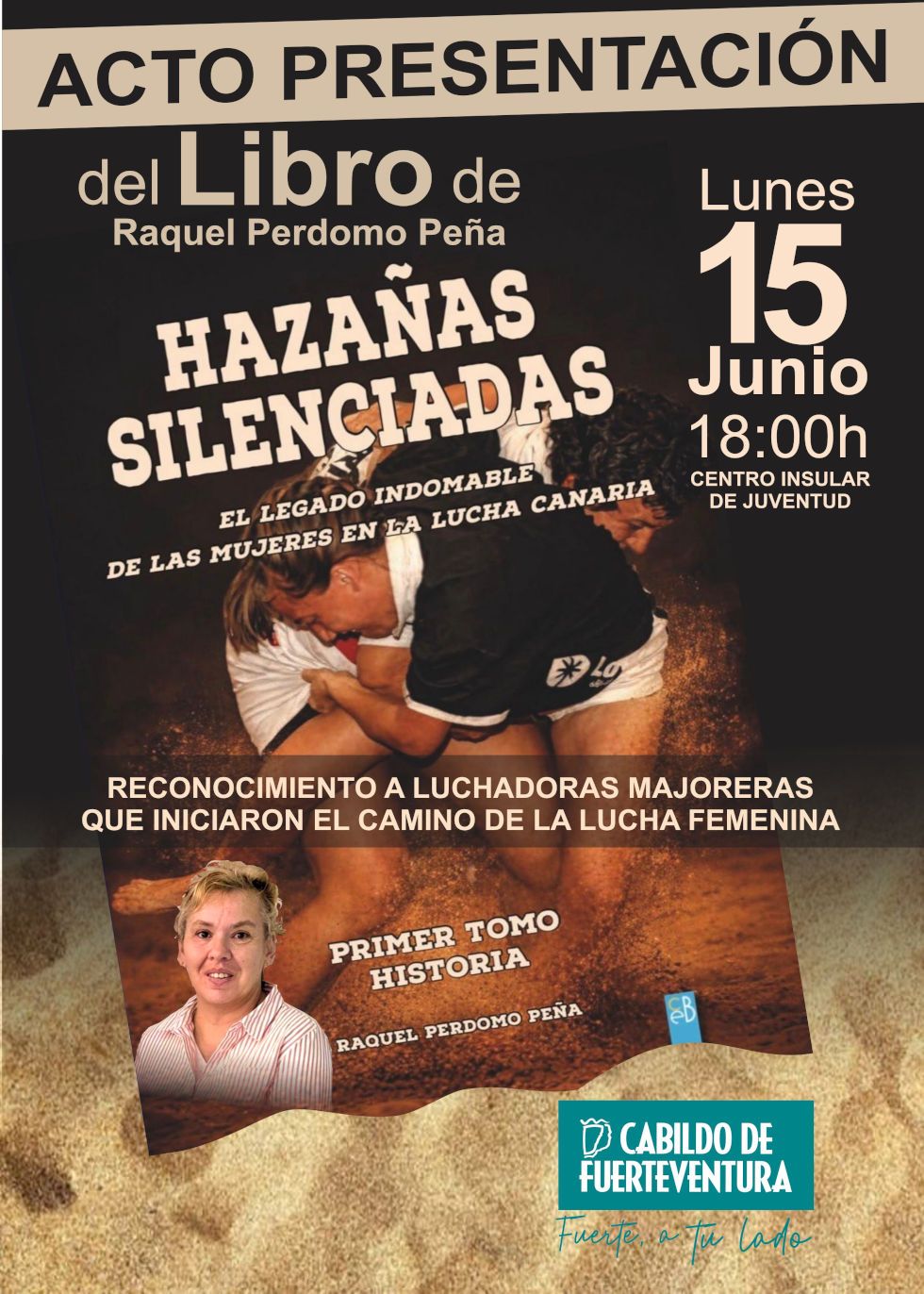
At the heart of this initiative is Raquel Perdomo Peña, a dedicated researcher and advocate for visibility in women’s sports. Her commitment to chronicling the narratives of female luchadoras is not only groundbreaking but essential in reclaiming the histories that have long been relegated to obscurity.
Perdomo’s work illustrates that the women who helped shape the trajectory of lucha canaria did so with remarkable tenacity. Yet, until now, their contributions had gone largely unnoticed. Her publication serves as a clarion call for recognizing these pioneering women—individuals who have been instrumental in expanding the sport and inspiring future generations.
The Legacy of Canarian Wrestling
Lucha canaria is more than a sport; it is a cultural expression deeply intertwined with the identity of the Canary Islands. This traditional wrestling style reflects the values of community, strength, and endurance. Incorporating elements of both sport and spectacle, it has captured the hearts of many and provided a space for athletes, particularly women, to demonstrate their skills and resilience.
The shift towards inclusivity and acknowledgment of female athletes within this sport is vital not only for fostering equality but also for enriching the cultural narrative of the Canaries. By shedding light on these women, the efforts of González and García, along with Perdomo’s research, are poignant reminders that the stories of all athletes are essential to the evolving tapestry of sports history.
The Path Forward
As the movement to honor female lucha canaria continues to grow, it serves as a reminder of the profound impact sports can have on cultural identity and gender equality. The tributes and research being put forth aren’t just about recognition—they signify the broader mission of valuing women’s contributions in all areas of society.
In a world constantly striving for progress, the work being done in Fuerteventura to honor and elevate the stories of female athletes is vital. With efforts to preserve this heritage, we can ensure that the achievements of these courageous women are forever etched in the annals of sports history, inspiring not only those who participate in lucha canaria but all who dare to challenge the status quo.