Enhancing Emergency Medical Services in Fuerteventura
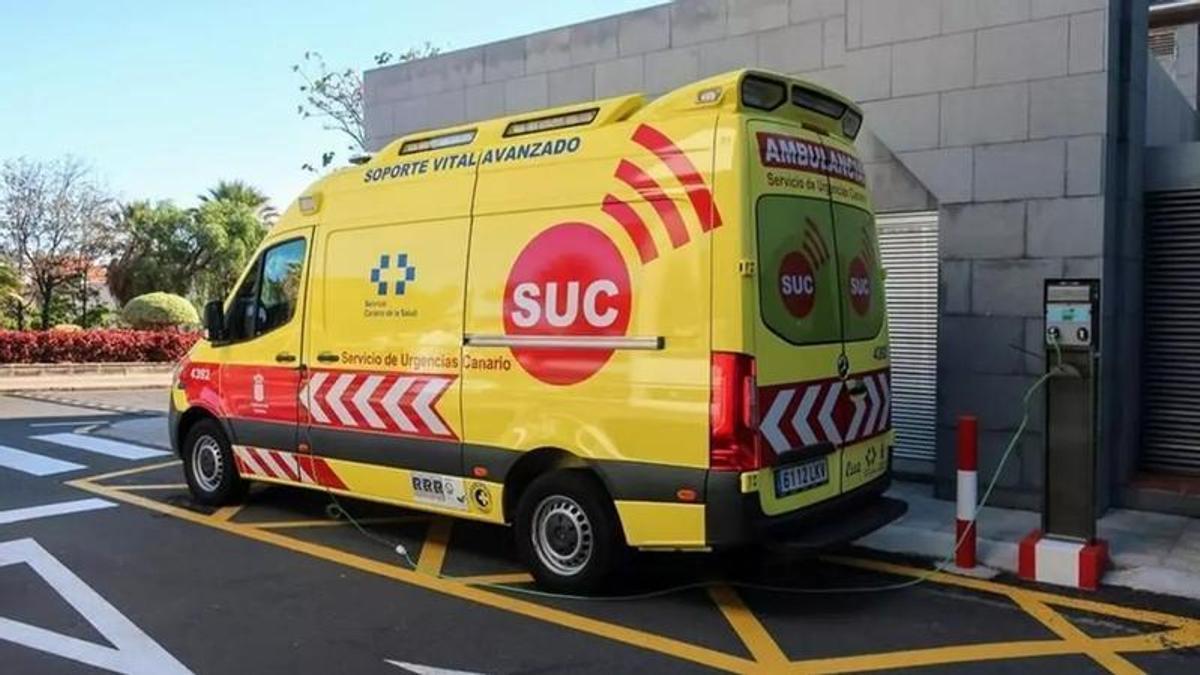
Fuerteventura, one of Spain’s Canary Islands, is set to improve its emergency medical services with the introduction of three new ambulances as part of its urgent care transport network. This initiative aims to enhance response times, particularly crucial in a location characterized by its vast distances and a dispersed population.
The New Ambulance Units
The augmentation of Fuerteventura’s emergency services will include two Advanced Life Support ambulances. One of these will be stationed in Gran Tarajal, while the other will find its home in Corralejo. Additionally, a Basic Life Support ambulance will be placed in El Castillo, commonly known as Caleta de Fuste. These deployments are expected to bolster assistance in areas with the most significant medical needs on the island.
Focus on Geographic and Demographic Needs
Esther Monzón, the Minister of Health for the Canary Islands, announced the plans during a recent meeting of the Health Committee. The decision to enhance the ambulance services is grounded in a comprehensive understanding of Fuerteventura’s geographic, demographic, and tourism-related characteristics. Given that the island welcomes a substantial influx of tourists, particularly in Corralejo, having advanced medical care readily available is imperative.
Advanced Life Support for Critical Situations
The two Advanced Life Support ambulances will provide more complex medical assistance than basic ambulances, catering to patients requiring specialized healthcare during transit. This capability is especially important in remote areas of the island, where time-sensitive interventions may be necessary. By placing these units in high-demand locations, Fuerteventura aims to ensure that adequate medical resources are accessible when emergencies arise.
The Strategic Importance of El Castillo
El Castillo, strategically located in the center of the island, will see the addition of a Basic Life Support ambulance. This unit is expected to significantly improve response capabilities and strengthen connectivity with other areas of Fuerteventura. With the new location, the health authorities aim to achieve a more balanced distribution of services across the island’s primary regions, which include Corralejo in the north, El Castillo in the center, and Gran Tarajal in the south.
Meeting the Needs of a Growing Population
The increase in ambulances comes in response to the growing population and tourist activities in Fuerteventura. With major urban centers dispersed across the island, having additional resources available is crucial for providing timely and effective medical care. Monzón emphasized that the distribution of these resources is guided by a detailed technical study of healthcare activity and population density patterns, indicating a well-planned approach to meet community health needs.
Integration with Aerial Medical Resources
In addition to the new ambulance units, the expansion of medical services will be complemented by a medicalized helicopter that became operational in March 2026. This aerial resource is vital for addressing severe emergencies, particularly in remote areas where ground transport might be delayed. The combination of air and ground ambulances is expected to create a more comprehensive, equitably distributed healthcare network across the island, fulfilling the needs of both residents and tourists effectively.
Looking Ahead
As Fuerteventura prepares to implement these changes, the next step involves securing the necessary contracts for the new ambulance services. Once operational, Fuerteventura will possess a more robust and capable emergency response system, enhancing the standard of care for its residents and visitors alike. The initiative represents a significant investment in the health and safety of the island’s communities, ensuring that help is always within reach when emergencies occur.