Rethinking Road Infrastructure in the Canary Islands: A Move Towards Sustainable Mobility
The approach to road infrastructure is evolving, particularly in regions like the Canary Islands, where the focus is shifting from simply laying down asphalt to creating a system that prioritizes sustainable mobility and minimizes environmental impact. This change marks a significant paradigm shift in public works planning and execution, reflecting a broader commitment to preserving the unique ecology of the islands while enhancing the quality of life for residents.
Green Strategy of the Canary Government
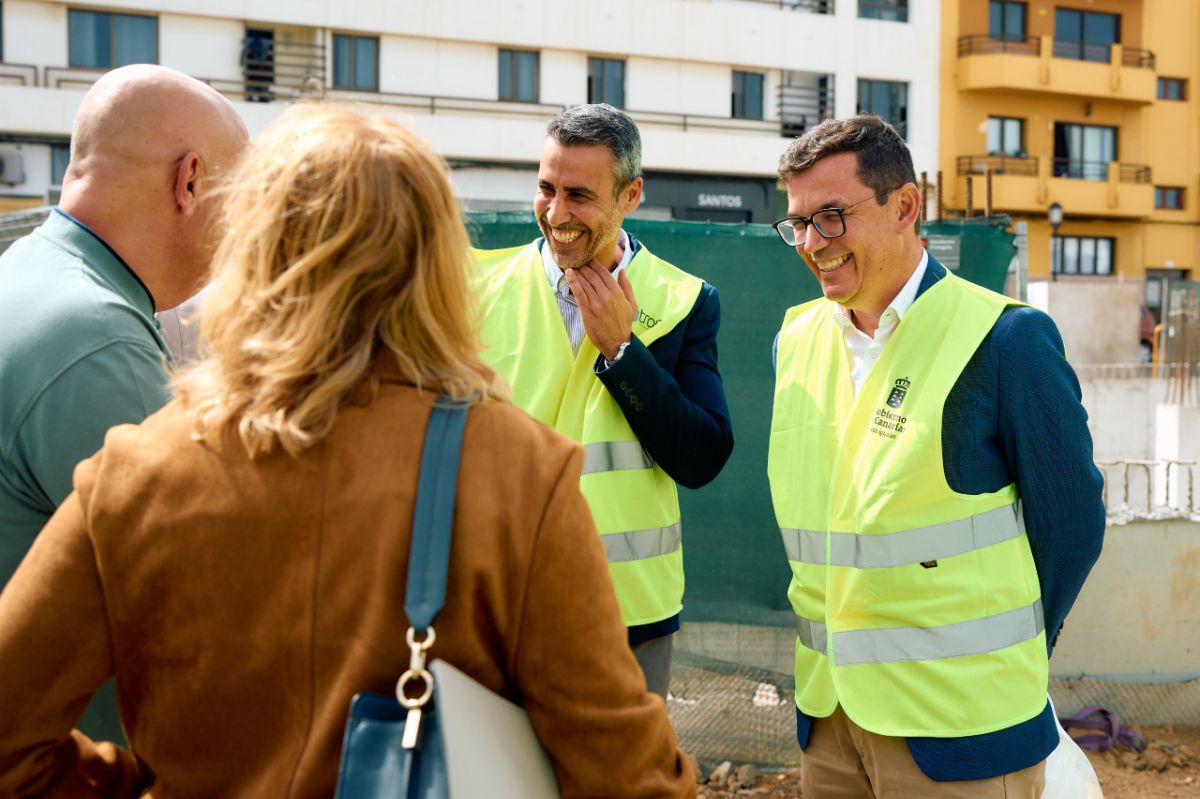
The strategic direction for this transformation is spearheaded by the Government of the Canary Islands. Pablo Rodríguez, the regional minister, has highlighted that this initiative is not merely about improving existing roadways but is rooted in a comprehensive policy perspective. According to Rodríguez, “this initiative that will enhance the sustainability of infrastructure and the quality of life of the people operates within our Green Strategy, identifying sustainability not as an afterthought but as a fundamental element of planning, maintenance, and usage of our roads.”
This holistic approach indicates a commitment to integrating environmental considerations into every phase of infrastructure development. By embedding sustainability into the very fabric of their planning process, the government aims to build a robust transportation network that benefits both the people and the planet, supporting healthier lifestyles and reducing carbon footprints.
A Shift in Perspective on Roads
Rodríguez notes a significant shift in how roads are viewed and managed. Acknowledging that “we have moved beyond the traditional view of the road as merely a strip of asphalt,” he emphasizes a newfound recognition that roads are more than just transit pathways; they serve as vital components of modern urban life. The latest projects reflect this understanding by prioritizing enhancements to existing infrastructures, thereby fostering a more balanced and efficient mobility model across Fuerteventura.
This new perspective promotes a multifunctional approach to road use, where pathways are designed not only for vehicles but also for pedestrians and cyclists. By creating safer, more accessible travel options, the initiative fosters a community ethos centered on inclusivity and sustainability.
Addressing Long-Standing Community Needs
The importance of this infrastructure project extends beyond technical improvements; it directly responds to the urgent needs of local residents. Isaí Blanco, the Mayor of La Oliva, has expressed strong support for the initiative, emphasizing that it addresses a “historical demand from the neighbors who can finally walk safely from La Capellanía to Corralejo with this new bike lane.” His comment underscores the social significance of the initiative, highlighting the intersection of community needs and urban planning.
The introduction of a dedicated bike lane is more than just a convenience; it reflects a broader commitment to enhancing the safety and well-being of local residents. This new corridor will empower individuals to choose cycling as a viable means of transportation, promoting a healthier and more environmentally friendly lifestyle.
Enhancing Quality of Life through Sustainable Choices
As the Government of the Canary Islands rolls out these enhancements, the focus remains firmly on improving the quality of life for all residents. Sustainable mobility initiatives encourage a vibrant community atmosphere, where safety and accessibility are paramount. By investing in infrastructure that fosters biking and walking, the government is not only enhancing connectivity but also promoting social interaction and community engagement.
The emphasis on sustainability aligns neatly with global trends, as cities worldwide increasingly recognize the need to reduce reliance on motorized transport and the associated environmental costs. For the Canary Islands, this not only means better roads and transport modes but also a potential model for other regions grappling with similar challenges.
In summary, the latest developments in road infrastructure within the Canary Islands exemplify a forward-thinking approach that prioritizes sustainability, community needs, and quality of life enhancements. These changes represent a significant commitment to reimagining public spaces and infrastructure for the betterment of both the environment and local society, paving the way for a more sustainable future.