Exploring Tarragona: A Journey Through Time
Tarragona, once the beating heart of the Iberian Peninsula, boasts a rich tapestry of Roman history, vibrant culture, and stunning landscapes. From its ancient ruins to its modern vibrancy, this city promises a unique experience for every traveler.
A Historical Overview
Tarragona was renowned as one of the most significant cities in the Roman Empire. Known as Colonia Iulia Urbs Triumphalis Tarraco, it served as the capital of the vast province of Tarraconensis, which encompassed nearly half of present-day Spain and Portugal. Imagine walking through a city adorned with an amphitheater, a circus, grand temples, and majestic fortifications—an ancient Rome in miniature that has left its indelible mark in stone over the centuries. Tarragona’s archaeological site is recognized as a UNESCO World Heritage site, making it an essential stop for history enthusiasts.
Getting There
Traveling from Barcelona to Tarragona is simple and convenient. The high-speed AVE train zips you to the Tarragona Camps station in just half an hour, costing around €27 on average. The cheaper Regional Express option takes about an hour and a half for roughly €8. If you prefer traveling by bus, the ALSA company provides several daily services from Barcelona, taking about 90 minutes at a similar cost. For those flying in, Reus Airport, located just under 12 kilometers from the city center, is serviced by multiple airlines.
What to See and Do
Tarragona might not be sprawling, but it’s packed with attractions that can be comfortably explored within a couple of days. The ancient Roman walls and medieval structures encase the historical center, inviting visitors to start their journey along the Paseig Arqueologic. This pathway runs along the Western and Northern walls, guiding you from the Porta de Roser—an ancient medieval arch—into the heart of Tarraco.
One of the first highlighted stops is the Maqueta de Tarraco in Plaça del Pallol, a striking model that depicts the city during Roman times. It’s an excellent starting point to visualize the journey ahead through the city.
The Roman Influence
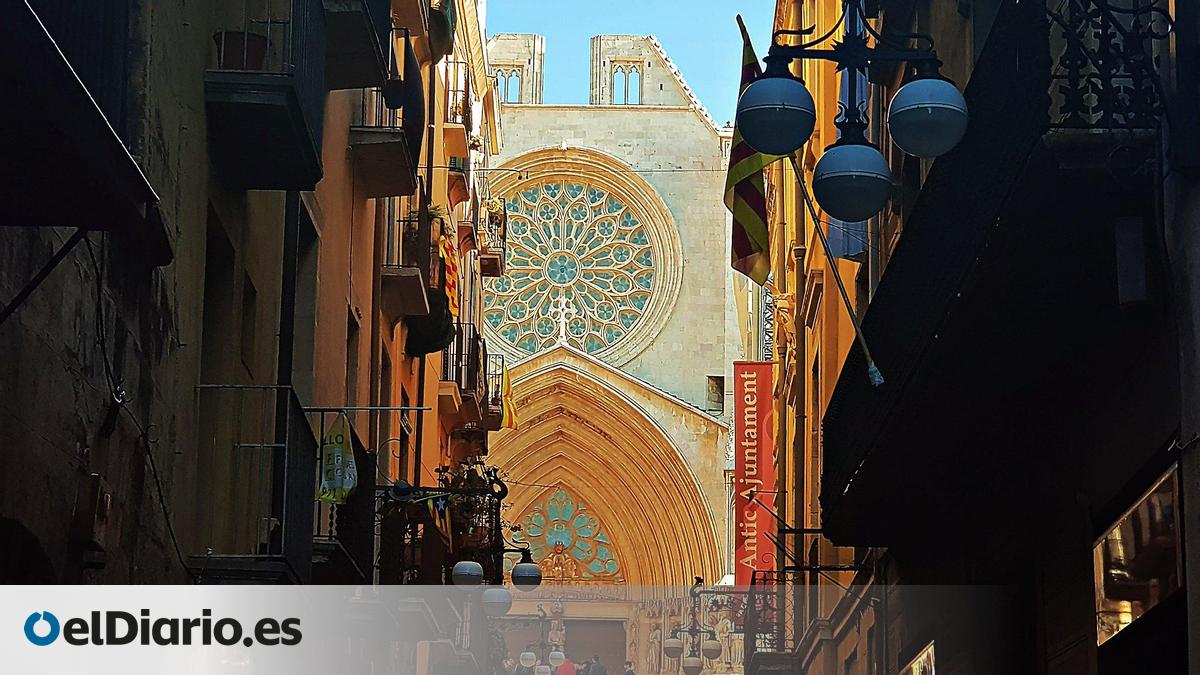
As you traverse Tarragona, remnants of its Roman past are visible everywhere, blended seamlessly with modern life. The Cathedral of Tarragona, located in the northern part of the medieval town, is a must-visit. While the entrance fee might seem steep, the beautifully crafted cloister capitals make it worth every penny. Look closely; many stones used in the cathedral were sourced from ancient Roman buildings, offering a tactile connection to the city’s past.
A short walk from the cathedral leads you to the Roman Circus. Encased by bustling houses, this ancient site showcases the remnants of a grand chariot racing venue. Just nearby is Plaça de la Font, a lively square ideal for tasting local cuisine, which intriguingly overlaps the original racing track that once hosted magnificent competitions.
If museums are your passion, the Museu d’Historia de Tarragona provides fascinating artifacts detailing daily life during Roman times.
Architectural Wonders
No visit to Tarragona would be complete without basking in the grandeur of the Roman Amphitheater. Perched strategically by the Playa del Miracle, it stands as a testament to the city’s Roman legacy. Close to the harbor, you’ll also find the Roman Forum and the Theater. Here, history unfolds; you can visually trace the very steps where ancient citizens once gathered.
Hidden Gems
Among the treasures hidden within the city is the Seminario Pontificio, home to the Capilla de Sant Pau—a lesser-known romanesque gem that deserves a visit. Meanwhile, the Paleochristian Necropolis at the Francolí River unveils a trove of ancient graves, adding to the city’s historical richness.
Modern Tarragona
Crossing into the more modern section of Tarragona, the Rambla Nova acts as a vibrant artery connecting the old to the new. Famous for its Balcony of the Mediterranean, this tree-lined promenade is dotted with modernist architecture, including the Casa Salas and Casa Musolas. The area offers delightful cafes and shops, perfect for leisurely strolls.
As you venture towards Plaza Imperial Tarraco, don’t miss the chance to admire the Casteller monument, celebrating Catalonia’s unique human tower tradition. Moreover, architectural highlights such as the Tarraco Arena, an old bullring, offer glimpses into the melding of history and modern culture.
Excursions Beyond the City
For those eager to explore beyond the city limits, don’t miss the Puente del Diablo, an ancient aqueduct often associated with local legends involving the devil. This impressive structure once transported water to the city and now serves as a peaceful site perfect for a leisurely day trip.
A drive along the ancient Vía Augusta, an important Roman road, reveals significant historical monuments such as the Torre de los Escipiones and the striking Arco de Bará—an honorary arch commemorating Roman achievement.
In Tarragona, the past meets the present in a vibrant tapestry of culture, history, and natural beauty. Every corner holds stories waiting to be uncovered, making it a captivating destination for any traveler.