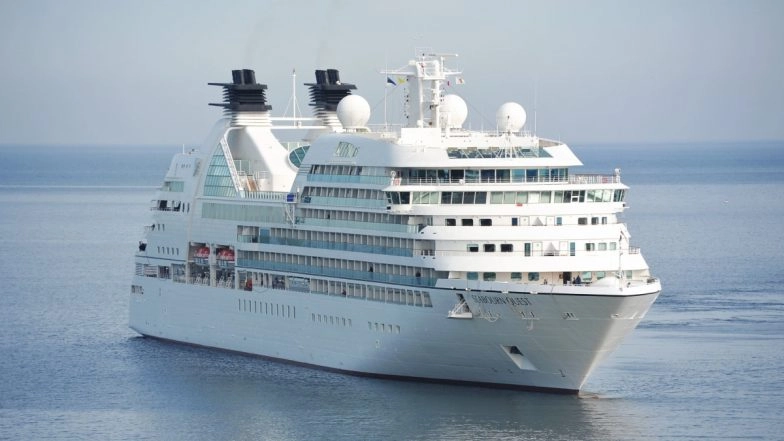
Hantavirus Outbreak on Cruise Ship: A Closer Look
The recent outbreak of hantavirus aboard the MV Hondius, a cruise ship stranded off the coast of Cape Verde, has raised significant health concerns. The World Health Organization (WHO) has reported seven cases linked to this incident, including three fatalities. As the situation unfolds, understanding the nature of hantavirus and the implications of this outbreak becomes crucial.
Current Situation on the MV Hondius
The MV Hondius, carrying 147 passengers and crew members, is currently anchored in the Atlantic Ocean. According to WHO, two cases have been laboratory confirmed, while five others remain suspected. The symptoms reported among those affected range from mild illness to severe respiratory complications, highlighting the variable nature of the disease.
Despite the alarming reports, WHO has assessed the overall risk to the global population as low. This assessment is based on the current understanding of hantavirus transmission and the containment measures being implemented.
WHO Monitoring the Situation
The WHO has been actively monitoring the situation since the outbreak began. A tweet from the organization detailed that since the cruise set sail on April 1, seven individuals have fallen ill, with three succumbing to the disease. One passenger is critically ill, while three others are experiencing mild symptoms.
Maria Van Kerkhove, WHO’s epidemic preparedness director, indicated that the initial case may have been infected before boarding the ship. However, there are indications that subsequent infections could have occurred during the voyage, suggesting a potential for limited human-to-human transmission among close contacts.
Understanding Hantavirus Transmission
Hantavirus is primarily transmitted through contact with infected rodents, specifically through their urine, droppings, or saliva. While human-to-human transmission is rare, it has been documented in previous outbreaks, particularly in confined environments like cruise ships. This has prompted heightened vigilance among health authorities.
The WHO’s investigation into this outbreak is ongoing, focusing on understanding the transmission patterns and monitoring any potential spread beyond the vessel. Close contacts of confirmed cases are being closely followed as part of standard public health protocols.
Timeline of Illness and Reported Deaths
The cruise began in Ushuaia, Argentina, and was en route to Cape Verde when the first cases emerged. The onset of symptoms among the affected individuals occurred between April 6 and April 28. The illness has been characterized by fever, gastrointestinal symptoms, and, in severe cases, rapid progression to pneumonia and acute respiratory distress syndrome.
Among the fatalities were a Dutch couple. The husband passed away onboard on April 11, while his wife died after disembarking in Saint Helena and traveling to Johannesburg. A German passenger also died onboard in early May, underscoring the severity of this outbreak.
Ongoing Response and Evacuation Plans
In response to the outbreak, WHO is coordinating efforts to medically evacuate two critically ill passengers. The ship is expected to proceed to the Canary Islands once immediate health concerns are addressed.
Health authorities are also tracing passengers from a flight taken by one infected individual between Saint Helena and Johannesburg on April 25 as part of containment measures. Several affected individuals are no longer on the ship, including a British passenger currently in intensive care in Johannesburg.
The ship carries passengers from various countries, including the United Kingdom, Spain, and the United States, along with crew members from the Philippines and other nations. This international mix adds complexity to the response efforts.
Background: Understanding Hantavirus
Hantavirus infection is a rare but potentially fatal disease caused by viruses typically spread through exposure to infected rodent excretions. In severe cases, it can lead to respiratory failure and shock. Although human-to-human transmission is uncommon, it has been observed in limited outbreaks, prompting increased vigilance in confined environments such as ships.
As the situation continues to evolve, health authorities remain focused on containment and understanding the dynamics of this outbreak. The WHO’s ongoing investigations aim to provide clarity on transmission patterns and ensure the safety of passengers and crew members alike.