Time and Reflection: A Call to Preserve the Historic Landscapes of the Canary Islands
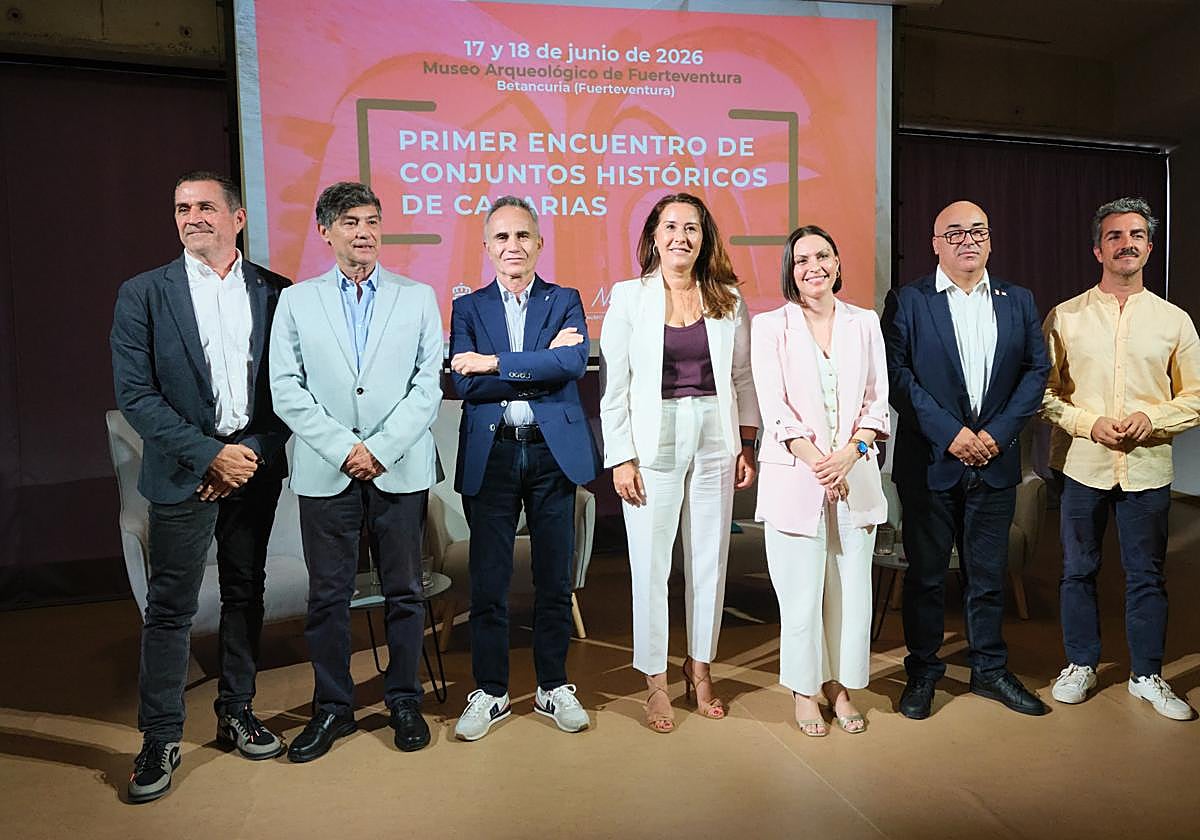
On June 17, 2026, a significant event unfolded in the picturesque town of Betancuria, marking the inception of the first regional meeting dedicated to the historic ensembles of the Canary Islands. Under the auspices of the Canary Islands’ Ministry of Culture, in collaboration with the Cabildo of Fuerteventura and the municipality of Betancuria, this gathering brought together twenty specialists and technicians to engage in critical discussions about the preservation of these rich historical sites amid modern challenges.
The Context of the Meeting
This meeting, aptly named «Tiempo y Reflexión» (Time and Reflection), focuses on the pressing issues facing nearly fifty historic ensembles across the islands. These remarkable locations are not merely relics of the past; they represent the cultural and architectural heritage of the Canary Islands. Yet, with increasing tourism, shifting resident populations, and the decline of traditional commerce, these sites are under significant pressure. There’s also the added complication of administrative hurdles that can hinder rehabilitation efforts.
The Challenges Ahead
Miguel Angel Clavijo, the General Director of Cultural Heritage for the Canary Islands, voiced concerns over the historical ensembles, emphasizing a long-standing lack of organized reflection on these issues. He pointed out that these sites have faced numerous challenges that have remained unresolved for too long. “For this reason, we are gathered here today in Betancuria,” he stated, addressing the assembled experts and officials.
According to Clavijo, a notable problem shared among many historical sites is the need to generate economic benefits while fostering spaces of coexistence. The challenge lies in ensuring that these ensembles can be both preserved and integrated into the daily lives of residents. “It’s not an easy task,” he acknowledged, but the meeting’s primary goal is to explore successful models from other municipalities in the Canary Islands and throughout Spain.
Unique Approaches for Unique Places
One of the key takeaways from the discussions is the importance of recognizing the uniqueness of each historic ensemble. While exploring models of successful preservation, it’s critical to remember that there’s no one-size-fits-all solution. Clavijo underscored the distinct characteristics of different towns, noting that what works for San Cristóbal de La Laguna may not be applicable to Betancuria.
Institutional Commitment to Progress
In light of these issues, the Directorate of Cultural Heritage aims to craft an institutional declaration from this inaugural meeting. The goal is to affirm commitment to initiatives that ensure historic ensembles become sources of progress while simultaneously preserving cultural heritage.
A Collective Effort
The significance of the event was underscored by the presence of several key figures, including Migdalia Machín, the Minister of Universities, Science and Innovation and Culture; Lola García, the President of the Cabildo of Fuerteventura; Horacio Umpiérrez, the Vice Minister of Culture and Cultural Heritage; and Enrique Cerdeña, the Mayor of Betancuria. Their collective experience and insights contribute to a robust dialogue on preserving the past for future generations.
Looking Forward
As various stakeholders engage in this vital conversation, the emphasis will be on collaboration and shared learning. The first meeting of Historical Ensembles of the Canary Islands signifies a step toward comprehensive strategies that not only safeguard the architectural beauty of the islands but also enhance the quality of life for their residents.
In summary, this gathering serves as a reminder that the treasures of the past must be preserved not only for their historical significance but also as vibrant, living parts of today’s communities. The discussions at Betancuria are just the beginning of a larger movement toward sustainable cultural heritage management in the Canary Islands, underscoring the importance of time spent in reflection and action.