The Rise of Monells: A Hidden Gem in Catalonia
More and more Spaniards are opting for tranquil holidays in small historic villages rather than bustling resorts. One such village that has recently captured the attention of travelers is Monells, nestled in the picturesque Bajo Ampurdán region. This charming locale gained fame after being featured in the film Ocho apellidos catalanes, transforming it from a quiet settlement of fewer than two hundred residents into a sought-after tourist destination. The impact of this cinematic spotlight has been profound, reshaping the local economy and the lives of its inhabitants.
A New Dawn for Monells
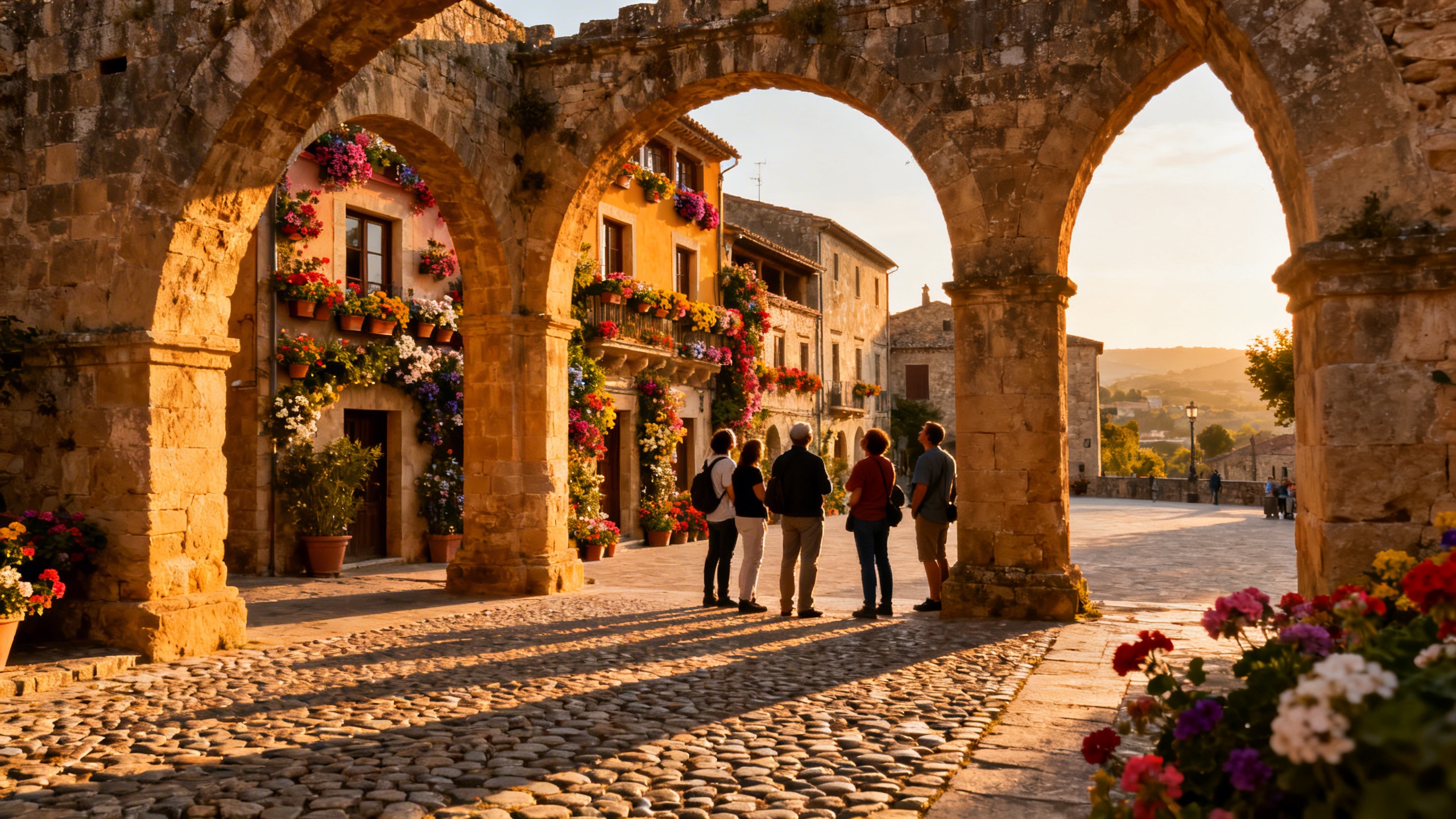
For years, Monells remained overshadowed by its more popular neighbors along the Costa Brava. However, the release of Ocho apellidos catalanes changed everything. Suddenly, tourists flocked to the village to explore its enchanting streets, stone houses, and medieval arches—landmarks that had previously been known only to locals. In spring, the village bursts into color as facades are adorned with flowers, creating a serene atmosphere that offers a welcome escape for those weary of urban life. According to russpain.com, the demand for tours and accommodations in Monells has skyrocketed, leading to increased revenues for local cafes and shops.
The Historic Center: A Snapshot of the Past
At the heart of Monells lies the main square, Jaume I, which has become the village’s calling card. Key scenes from Ocho apellidos catalanes were filmed here, and now tourists eagerly pose for photos beneath the iconic arches. The buildings in this historic center date back to the 10th and 11th centuries, with the church of San Ginés standing as one of the oldest in the region. Architectural features like massive stone walls and ancient gates harken back to a time when Monells was an independent municipality.
The Rissec River, which meanders through the village, once powered local mills, and remnants of medieval fortifications can still be spotted on the outskirts. These historical elements attract not only film enthusiasts but also history buffs seeking authentic experiences away from the throngs of mass tourism. In recent years, Monells has become a popular destination for short trips from Barcelona, with the journey taking just over an hour.
The Impact of Tourism
The filming of Ocho apellidos catalanes has significantly altered perceptions of Monells, drawing attention from both Spaniards and international visitors. Many come specifically to soak in the atmosphere that has been preserved despite the influx of tourists. Local authorities are working diligently to strike a balance between maintaining the village’s historical character and developing the necessary infrastructure for visitors. As a result, Monells has managed to retain its unique charm while becoming a prime example of how cinema can influence the fate of a small locality.
New excursion routes have emerged, and homeowners have begun renting out accommodations to tourists. Some locals express gratitude for the film’s popularity, noting that it has led to the restoration of old buildings and attracted investment to the region. However, there are also concerns that the surge in tourism could disrupt the established way of life for residents.
Cultural Heritage and Its Broader Implications
Monells is not an isolated case; it exemplifies a growing trend in which filming locations boost the popularity of small Spanish towns. Similar transformations have occurred in other regions that have hosted major film productions. For instance, after the release of Game of Thrones, tourist traffic to Girona surged, while Andalusia saw increased interest in its historical landmarks following the filming of Star Wars. Such events serve as catalysts for domestic tourism and play a crucial role in preserving cultural heritage.
The experience of Monells illustrates that even a small settlement can become a magnet for visitors when it successfully marries its historical atmosphere with modern amenities. It is essential that these changes benefit not only tourists but also local residents, ensuring that the unique character and traditions of the region are preserved for generations to come.