The Life of a Spanish Journalist at the World Cup
Jet Lag and Long Hours
Traveling to cover major sporting events like the World Cup is a thrilling yet exhausting experience, especially for journalists. Jet lag is often the first hurdle, as the body struggles to adjust to new time zones. For Spanish journalists, this means adapting to the rhythms of North America while juggling the demands of their profession. Long hours spent in airports, on planes, and in hotel rooms can take a toll, but the excitement of covering the Spanish national team makes it all worthwhile.
The Challenge of Foreign Cities
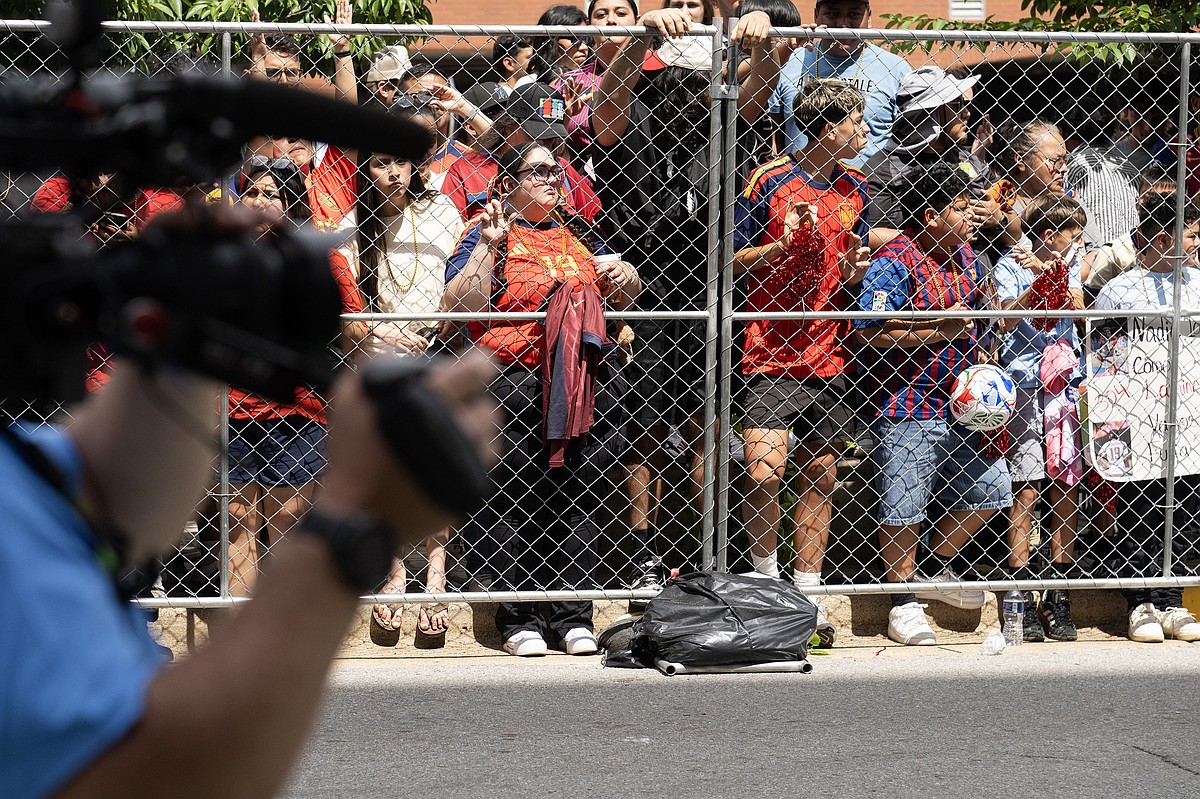
Navigating foreign cities presents its own set of challenges. From language barriers to unfamiliar public transport systems, journalists must be resourceful and adaptable. For instance, when Helena Condis Edo, a reporter for Cadena COPE, arrived in Chattanooga to cover the Spanish national team’s open practice, she had to quickly familiarize herself with the local culture and logistics. This adaptability is crucial for journalists who aim to deliver timely and accurate reports.
The Role of Technology
In today’s digital age, technology plays a pivotal role in the life of a journalist. Smartphones and laptops are essential tools for gathering information, conducting interviews, and sharing updates with audiences back home. Social media platforms like Instagram and Twitter allow journalists to connect with fans and provide real-time coverage of events. Helena, for example, might share behind-the-scenes glimpses of the team’s practice sessions, giving followers an insider’s perspective.
The Pressure of Reporting
The pressure to deliver high-quality content is immense. Journalists must not only report on the games but also delve into the stories behind the players and the team dynamics. This requires extensive research and preparation. Interviews with players, coaches, and fans can provide valuable insights that enrich their reports. The stakes are high, as fans expect comprehensive coverage that captures the essence of the tournament.
Camaraderie Among Journalists
Despite the challenges, there’s a unique camaraderie among journalists covering the same event. They often share tips, experiences, and even meals, forming bonds that transcend nationalities. This sense of community can make the long hours and stressful days more bearable. Whether it’s discussing the latest match or sharing a laugh over a late-night meal, these interactions can be a source of comfort and support.
Cultural Exchange
Covering the World Cup also offers a rich opportunity for cultural exchange. Journalists immerse themselves in the local culture, trying new foods, attending local events, and interacting with fans from different backgrounds. This experience broadens their perspectives and enhances their storytelling. For Spanish journalists, it’s a chance to showcase not only the team’s journey but also the vibrant culture of the host country.
The Importance of Storytelling
At the heart of journalism is storytelling. Each match, each player, and each fan has a story to tell. Journalists like Helena strive to capture these narratives, weaving them into their reports. This storytelling aspect is what makes sports journalism so compelling. It’s not just about the scores; it’s about the emotions, the struggles, and the triumphs that define the World Cup experience.
The Road Ahead
As the tournament progresses, the challenges will continue. From managing tight deadlines to navigating unexpected events, journalists must remain agile and focused. The thrill of covering the Spanish national team, however, serves as a powerful motivator. Each day brings new opportunities for discovery, connection, and storytelling, making the journey as rewarding as the destination.
In the world of sports journalism, the experience is as much about the journey as it is about the destination. For Spanish journalists, the World Cup is a unique blend of excitement, challenge, and cultural immersion, all wrapped up in the beautiful game.