The Emergence of Pyrocumulonimbus: A New Challenge for Firefighters in France
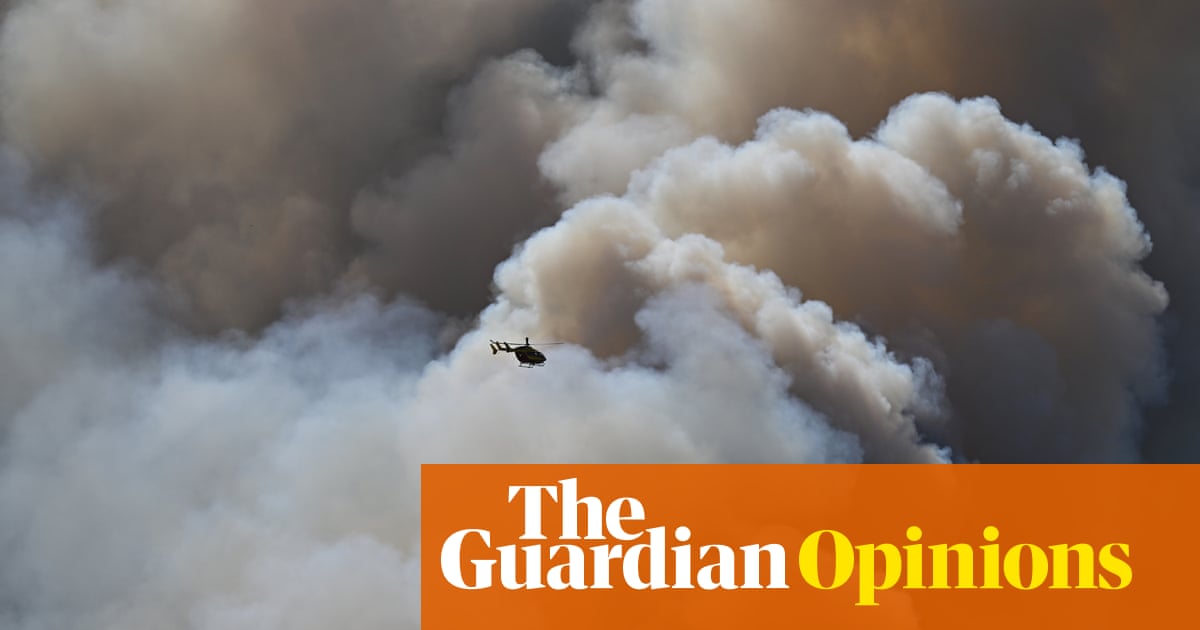
A new and ominous term has entered the lexicon of firefighters battling the relentless wildfires in south-west France: pyrocumulonimbus. This fire-generated thunderstorm phenomenon can create unpredictable winds, complicating efforts to contain blazes and assess their potential paths. While pyrocumulonimbus events have been documented in North America and Australia, this marks France’s first encounter with such a phenomenon, particularly in the Bordeaux region. As the country grapples with the repercussions of its third major heatwave this summer, the challenges for firefighters are escalating.
The Scale of the Crisis
The statistics surrounding the ongoing wildfires in France and Spain paint a grim picture of devastation and human suffering. This year alone, a staggering amount of land has been scorched in France—far exceeding the 30,000 hectares burned throughout all of 2025. In the Gironde region, approximately 220,000 people have been evacuated from their homes. Meanwhile, Spain has reported that over 170,000 hectares have been affected, a significant increase from the 29,000 hectares impacted last year, forcing over 100,000 individuals to flee their residences. These numbers underscore the urgent need for effective firefighting strategies and climate action.
Climate Change: The Underlying Cause
As climate scientists have long warned, Europe’s wildfires are intensifying in scale, duration, and severity due to rising global temperatures. Spanish Prime Minister Pedro Sánchez recently attributed the current crisis to the climate emergency, a statement that resonates with the reality many are facing. He has been one of the few leaders advocating for an accelerated green transition within the European Union, emphasizing the need for increased funding for adaptation efforts and systemic changes to mitigate global warming. Unfortunately, many other leaders seem content to ignore the pressing nature of this crisis.
Policy Decisions and Their Consequences
In a striking example of poor timing, Emmanuel Macron’s government announced significant cuts to a Green Fund aimed at helping local authorities tackle climate and environmental challenges, just as the wildfires began to rage. This decision reflects a broader trend across Europe, where economic pressures are often prioritized over environmental sustainability. The European Commission has faced pressure from various member states to weaken the EU’s emissions trading system, a critical climate policy. If implemented, these changes would allow heavy industries to continue polluting at reduced costs, undermining the very efforts needed to combat climate change.
The Misconception of Pragmatism
Calls for a more “pragmatic” approach to climate measures often accompany arguments for diluting green policies. However, this perspective is fundamentally flawed. Accelerating the EU’s transition to net-zero emissions is not only essential for environmental health but also for maintaining competitiveness in future global markets. The devastating impact of this summer’s wildfires starkly illustrates that climate action is not an optional luxury but a pressing necessity.
The Heatwave and Its Implications
As Europe braces for a fourth heatwave, temperatures in south-west France are expected to soar to 40°C. A recent study indicates that if the current warming trend continues, the 1.5°C limit set by the Paris Agreement could become irrelevant by 2030. Instead of adapting to this alarming pace of change, many governments appear to be applying the brakes on climate policy. This approach is not just unrealistic; it represents a failure to fulfill their responsibilities to their citizens and the planet.
The Human Element
The human toll of these wildfires cannot be overstated. Families are uprooted, communities are devastated, and the psychological impact on those affected is profound. Firefighters, often hailed as heroes, face not only the physical challenges of battling flames but also the emotional weight of witnessing destruction on such a massive scale. Their bravery and resilience are commendable, yet they are also a reminder of the urgent need for systemic changes to prevent such crises in the future.
A Call to Action
The current situation in France and Spain serves as a wake-up call for governments and citizens alike. The interplay between climate change and extreme weather events is becoming increasingly evident, and the time for action is now. As the world watches, the responsibility lies with leaders to prioritize climate action and invest in sustainable solutions that protect both people and the planet.