The Pain with Spain: A World Cup Triumph
The anticipation surrounding the World Cup often brings with it a mix of excitement and anxiety, especially for fans of the teams involved. In this year’s tournament, Spain emerged as a beacon of hope, capturing the hearts of many with their skillful play and strategic prowess. This article delves into Spain’s remarkable journey, the implications of their victory, and the broader narrative of the tournament.
A Nostalgic Parallel to 2010
As the World Cup kicked off, echoes of the past resonated strongly. The opening match featured Mexico and South Africa, reminiscent of the inaugural game of the 2010 World Cup, which Spain ultimately won. That tournament was marked by Andrés Iniesta’s iconic goal, a moment that has become synonymous with Spanish football glory. Fast forward to this year, and the parallels continued to unfold, culminating in Ferran Torres’s decisive goal in the final, mirroring the dramatic flair of Iniesta’s moment.
The Road to Victory
Spain’s path to the championship was nothing short of extraordinary. They dominated the tournament, outshooting their opponents significantly—20 shots to just one against Argentina in the final. This performance underscored their tactical superiority and ability to control the game. The Spanish team, a blend of youth and experience, showcased their remarkable coordination, often attributed to the chemistry developed in club football, particularly at Barcelona.
Their journey was not without challenges. Spain faced formidable opponents, including Portugal, France, and Argentina, each boasting star-studded lineups. Yet, their resilience and strategic gameplay allowed them to navigate these high-stakes matches with finesse.
Argentina’s Struggles
In contrast, Argentina’s performance raised eyebrows. Despite their impressive run leading to the final, questions lingered about their ability to handle pressure. Their struggles against teams like Cape Verde and Egypt suggested a vulnerability that was ultimately exposed in the final match. Some critics argue that Argentina’s focus on nationalism may have detracted from their performance, particularly in the semi-final against England, where they seemed to prioritize national pride over tactical execution.
The Messi Narrative
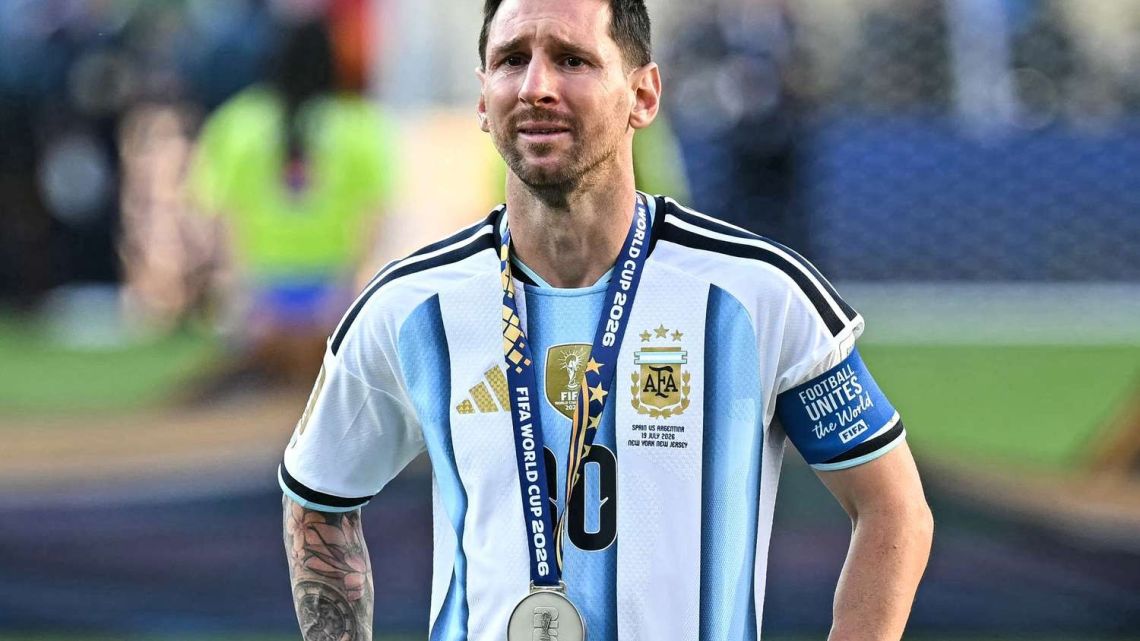
Lionel Messi’s journey throughout the tournament was a focal point for many fans. The emotional weight of the “last dance” narrative surrounded him, especially after the final. While he displayed moments of brilliance, questions arose about whether this truly marked the end of his World Cup aspirations. Given his performance, many speculate that he could still make a return for the 2030 tournament, especially with the possibility of it being hosted in Portugal.
A Shift in Perspective
Spain’s victory also invites a broader reflection on the dynamics of international football. The triumph marked a significant moment for European teams, especially in a hemisphere where South American teams had historically dominated. Spain’s ability to secure a European victory in South America is a testament to their evolution as a footballing nation.
The Numbers Behind the Game
As the tournament concluded, discussions about performance metrics and statistics took center stage. The complexities of tracking goals and performances across decades of World Cup history revealed discrepancies in data. While the official FIFA statistics may not always align with independent analyses, they highlight the ongoing evolution of football analytics. The pursuit of accurate data continues, reflecting the sport’s growing sophistication.
The Financial Landscape
The World Cup is not just a sporting event; it is a financial juggernaut. With FIFA reportedly earning around $5 billion from the tournament, the economic implications are vast. The intersection of sport and commerce raises questions about the future of football and its accessibility to fans worldwide.
The Future of Football
As we look ahead, the narrative of this World Cup will undoubtedly shape the future of international football. Spain’s triumph serves as a reminder of the unpredictable nature of the sport, where underdogs can rise to glory, and established powers can falter. The blend of youth and experience in the Spanish squad suggests a promising future, not just for the team but for the sport as a whole.
In this ever-evolving landscape, the stories of triumph and heartbreak will continue to resonate, reminding us of the passion that fuels the beautiful game.