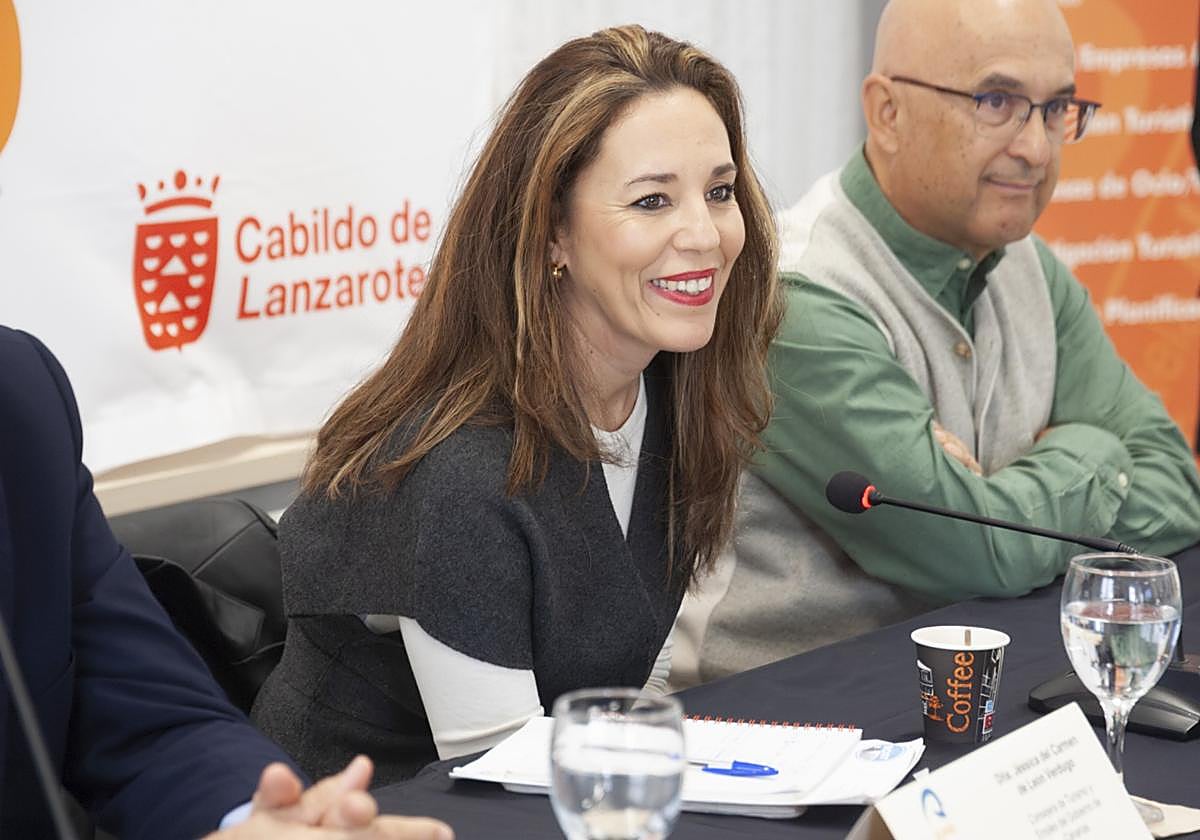
As Fuerteventura continues to attract investors, the focus on sustainable tourism is becoming paramount.
Recent discussions led by key figures in Fuerteventura’s tourism sector highlighted the need for a balanced and sustainable tourism model that respects both local communities and the environment. Jéssica de León, Minister of Tourism and Employment, emphasized the importance of evaluating policies that foster such a balance. She called for conciliatory initiatives that promote sustainable tourism while meeting the needs of the Canarian population.
Marlene Figueroa, the Minister of Tourism for the Fuerteventura Cabildo (Island Council), reinforced the importance of public collaboration in creating a tourism model that responds to societal demands. While acknowledging tourism as the main economic engine of the Islands, she noted the necessity for policies that also address precarious employment and support environmental, economic, and social sustainability.
Ignacio Solana, CEO of Gesprotur, reiterated the importance of prioritizing residents and fostering a balanced tourism approach within a sustainability framework. He stated that public administrations are taking significant steps toward meeting these citizen demands.
Antonio Hormiga, president of the Fuerteventura Tourist Association, echoed the necessity for private initiatives to engage more with local communities. He emphasized the connection between tourism and social responsibility, advocating for a collaborative approach that includes both public and private sectors to ensure genuinely sustainable tourism.
The concept of regenerative tourism was discussed prominently during the conference. Iván González Gómez, CEO of Ataraxia Nova, argued for a tourism model rooted in local resources and emotional engagement with the territory. He criticized the ownership of many hotels by external investment funds, which he claimed does not benefit the local economy. Instead, he highlighted successful projects that integrate local culture and landscape while fostering community engagement.
José Juan Lorenzo, Managing Director of Tourism for the Canary Islands, reported promising results from recent policies aimed at reducing the carbon footprint of the tourism sector, with progress seen in both total and per-tourist emissions. He urged businesses to participate in the “Journey to Decarbonization,” a free tool designed to help organizations understand and manage their carbon footprints.
Success stories were also shared, such as the CAPonLITTER project in collaboration with the ECOAQUA Institute, which successfully reduced plastic waste and generated significant cost savings for participating hotels. Moisés Expósito from the GF Hoteles group presented their sustainability strategy, which focuses on the circular economy and significantly reduces food waste.
Furthermore, Juan Manuel Revuelta of the FINNOVA Foundation emphasized the need for Fuerteventura and the Canary Islands to leverage European funding for innovative and sustainable tourism initiatives. He cautioned that Spain’s inefficiency in utilizing these funds could result in lost opportunities compared to other countries.
The event concluded with a discussion on the value of waste as a resource, underscoring the urgent need for the tourism sector to embrace sustainability. Key stakeholders highlighted the support available for businesses willing to commit to sustainable practices, paving the way for a greener tourism future in Fuerteventura and beyond.
Image credit: www.soldelsurtenerife.com
Source: www.soldelsurtenerife.com.
Curated by Fuerteventura Times Real Estate Desk.