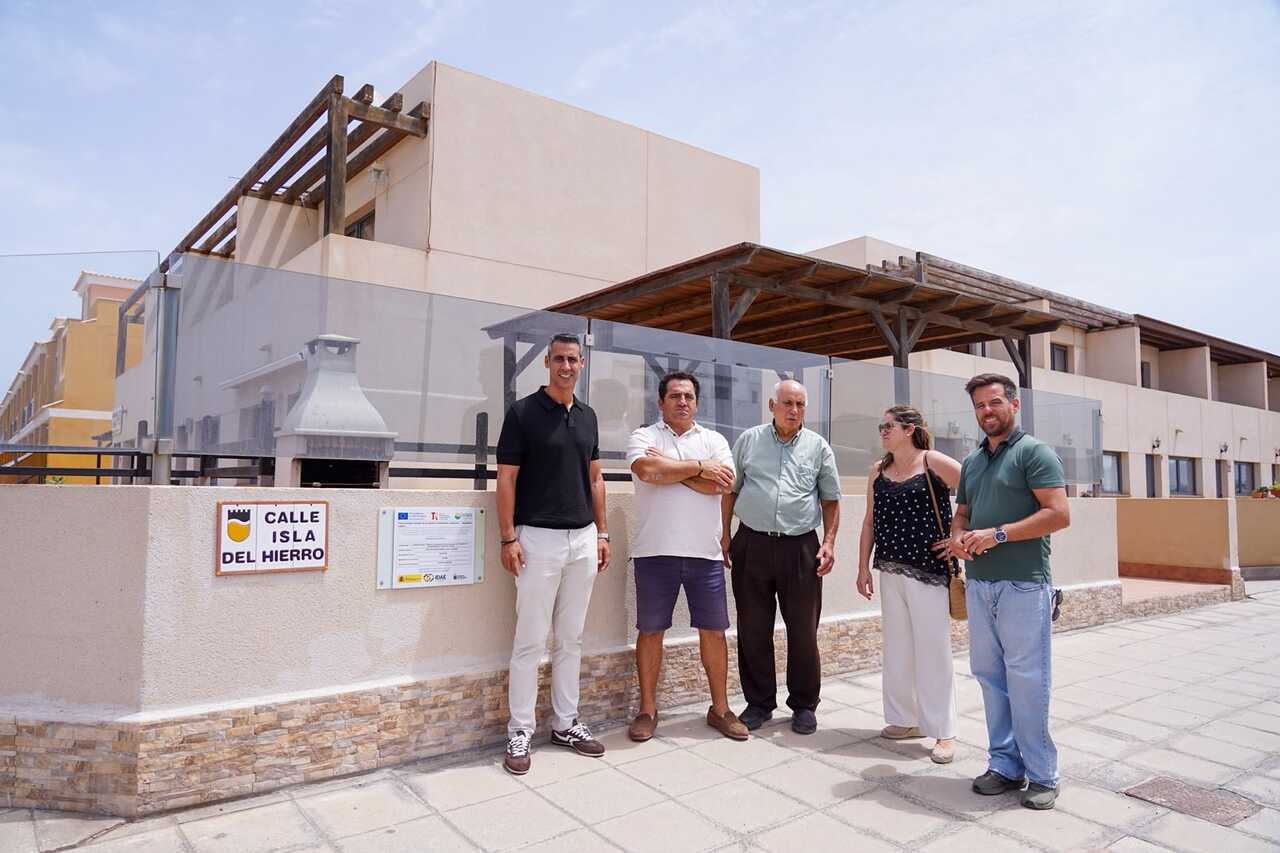
La Oliva: Pioneering Renewable Energy in Fuerteventura
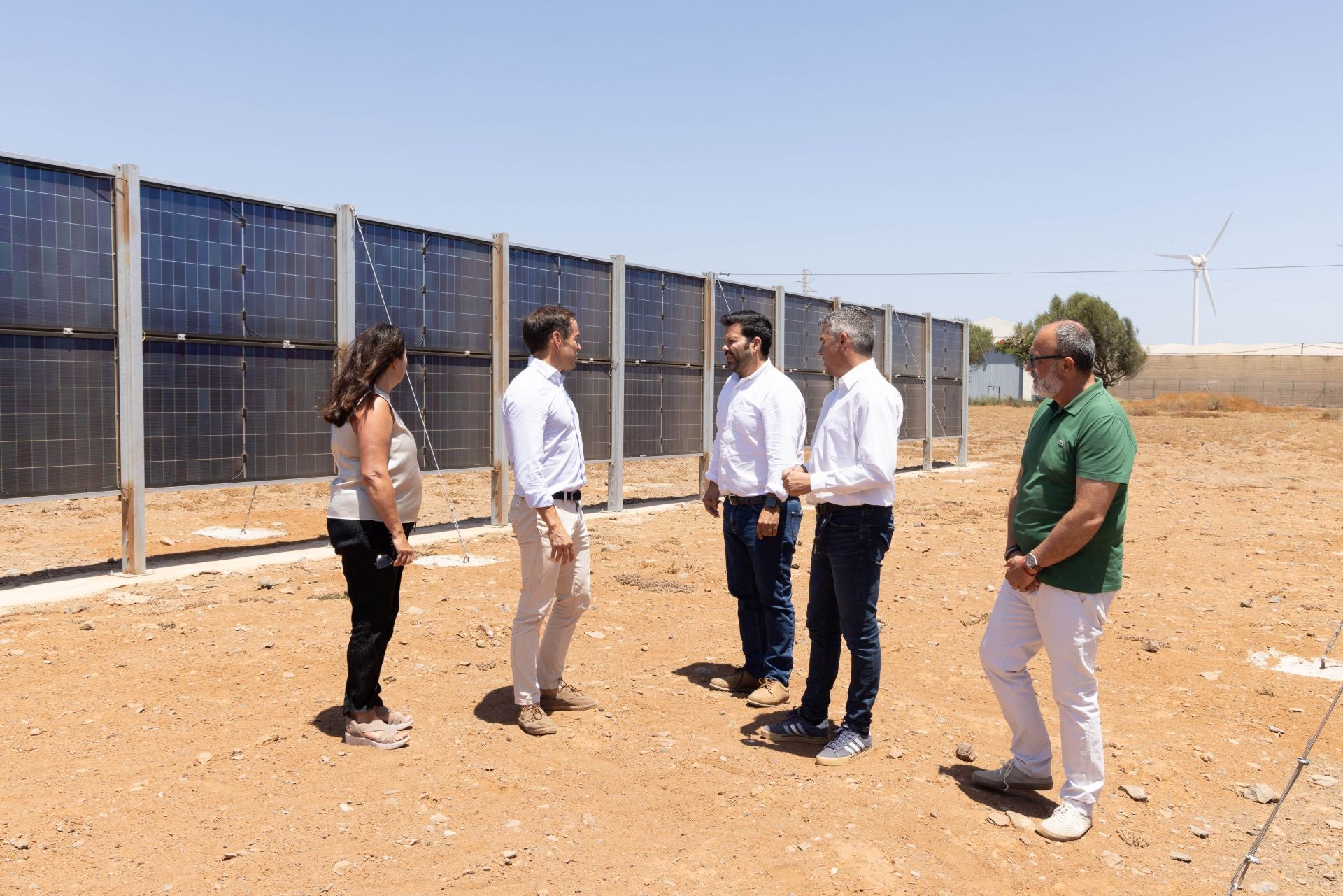
La Oliva, a municipality nestled on the stunning island of Fuerteventura, is making strides toward a sustainable future based on renewable energy. With solar power at the forefront of its energy evolution, La Oliva sets an exemplary model for other regions by transitioning away from fossil fuels and towards a greener, cleaner future.
The Birth of Energy Communities
The local government, spearheaded by the Concejalía de Turismo y Medio Ambiente under the management of David Fajardo, has initiated the creation of Fuerteventura’s first energy communities. These pioneering communities—Estrella del Atlántico in El Cotillo and Serenada in Corralejo—mark a significant step in the municipality’s energy strategy, leveraging the island’s abundant solar resources.
Economic Benefits for Local Residents
By implementing solar panels with storage batteries, the municipality aims to generate significant savings on electricity bills. Estimates suggest that local residents could collectively save around €35,000 annually. This initiative not only alleviates financial burdens but also represents a break from conventional energy consumption, showcasing a pathway for future energy communities.
Community Impact
The two energy communities in El Cotillo and Corralejo serve a total of 102 households, with El Cotillo providing energy to 17 residents and Corralejo accommodating 85 properties, along with shared spaces and a nearby pharmacy. This localized approach ensures that wealth generated through renewable energy remains in the community rather than flowing to large energy corporations.
Collaborative Development
The success of these energy projects can be attributed to nearly a year of collaborative efforts between the La Oliva Town Hall, property owners, and EnergyRIS, a spin-off enterprise from the University of La Laguna. Through their brand Compartiendo Verde, they offer guidance to municipalities in establishing energy communities. This collaboration symbolizes a united front towards achieving sustainability and energy independence.
Power Sharing Model
One of the most innovative aspects of this initiative is the ability for users who produce more energy than they consume to share excess power with other participants within a radius of five kilometers. This community-focused model fosters collaboration among residents, strengthening communal ties and commitment to renewable energy.
Leadership Perspectives
La Oliva’s mayor, Isaí Blanco, expresses the transformative potential of these initiatives: “This project represents a new way of producing and consuming energy based on collaboration between citizens, businesses, and public administration. Our aim is to reduce dependency on fossil fuels and deliver tangible benefits to our local residents.”
Echoing this sentiment, Lola García, the island’s president, emphasizes the importance of aligning municipal efforts with the Cabildo de Fuerteventura’s vision for a genuine energy transition. It is vital that energy infrastructure is developed responsibly, minimizing its impact on the island’s beautiful landscape.
Continued Commitment to Renewables
David Fajardo highlights the municipality’s continuous commitment to renewable energy: “With plans for 15 self-sufficient municipal installations by 2024 and the launch of these two energy communities, we are tapping into one of our island’s greatest resources—solar energy—to produce photovoltaic power. This initiative directly addresses rising electricity costs, making energy savings accessible to all residents.”
Future Outlook
Strategic support from EnergyRIS will facilitate the long-term growth of La Oliva’s energy community. The recent agreement signed with the Estrella del Atlántico property community serves as a model that other communities can replicate, showcasing the benefits of collective self-consumption and energy storage.
Funding and Support
Both energy community initiatives are financed by Next Generation EU funds, managed by the Canary Islands Government. This funding underscores the commitment to advancing renewable energy and fostering collective self-consumption, marking a significant investment in the island’s sustainable future.
.jpeg?trim=260,0,260,0&width=1200&crop=16:9,smart&quality=75 "Wave and Ride: A Festival Celebrating Surf and Skate Culture")
