Spain’s Firm Stance Against US Military Action in Iran
In a significant geopolitical move, Spanish Prime Minister Pedro Sánchez has publicly denounced the United States-led military strikes against Iran, labeling them as “dangerous and unjustified.” This strong condemnation comes as the Spanish government has outright rejected a request from the US to utilize its military bases for operations related to the ongoing conflict in the Middle Eastern nation.
The Rejection of US Requests
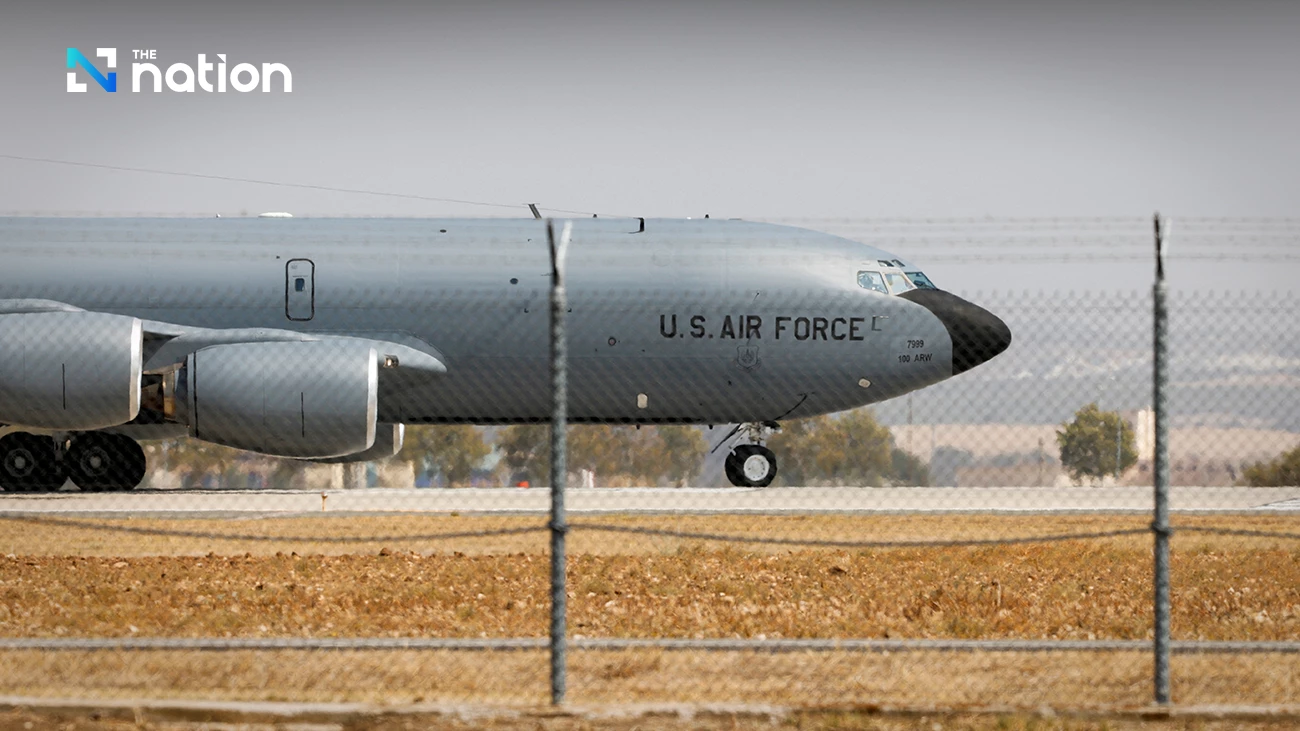
The Spanish government’s decision to deny the US access to the Rota Naval Base and Morón Air Base marks a pivotal moment in international relations, particularly within the framework of NATO. These bases are not only strategically important but also serve as critical staging grounds for military operations in the Mediterranean. By refusing to allow the US and its ally Israel to conduct combat operations from Spanish soil, Madrid is signaling a clear shift in its foreign policy priorities.
A Deepening Schism Within NATO
This refusal highlights a growing rift within NATO, as member countries grapple with differing perspectives on military intervention. While some nations may support aggressive tactics against perceived threats, Spain is taking a more cautious approach. Prime Minister Sánchez’s administration is advocating for diplomatic solutions rather than military escalation, emphasizing the need for a unified global response that adheres to international law.
The Importance of Diplomatic Solutions
In a recent interview with Telecinco, Spanish Foreign Minister José Manuel Albares reiterated the country’s commitment to democratic reform in Iran but firmly stated that Spain would not become a “secondary party” to ongoing hostilities. His remarks underscore the importance of diplomacy over military action, reflecting a broader sentiment among many European nations that prioritize dialogue and negotiation.
Upholding International Agreements
Albares made it clear that Spain’s military bases will not be used for purposes that violate bilateral agreements or the commitments outlined in the UN Charter. His statement serves as a reminder that Spain is committed to upholding international law and maintaining its sovereignty in the face of external pressures. This stance not only reinforces Spain’s position within NATO but also aligns with a growing call for accountability and restraint in international military actions.
The Broader Implications
The implications of Spain’s decision extend beyond its borders. By rejecting the US request, Spain is positioning itself as a leader in advocating for a more measured approach to international conflicts. This move could inspire other nations to reconsider their roles in military alliances and the extent to which they are willing to support unilateral actions that may destabilize global order.
A Call for Unity and Peace
As tensions continue to rise in the Middle East, Spain’s leadership is calling for a collective effort to address the underlying issues rather than resorting to military solutions. The Spanish government is advocating for a united front that prioritizes peace and stability, urging the international community to engage in constructive dialogue with Iran.
Conclusion
Spain’s firm rejection of US military operations in Iran represents a significant shift in its foreign policy and a broader call for diplomatic engagement over military intervention. As the world watches, the Spanish government is setting a precedent for how nations can navigate complex geopolitical landscapes while adhering to principles of international law and cooperation.