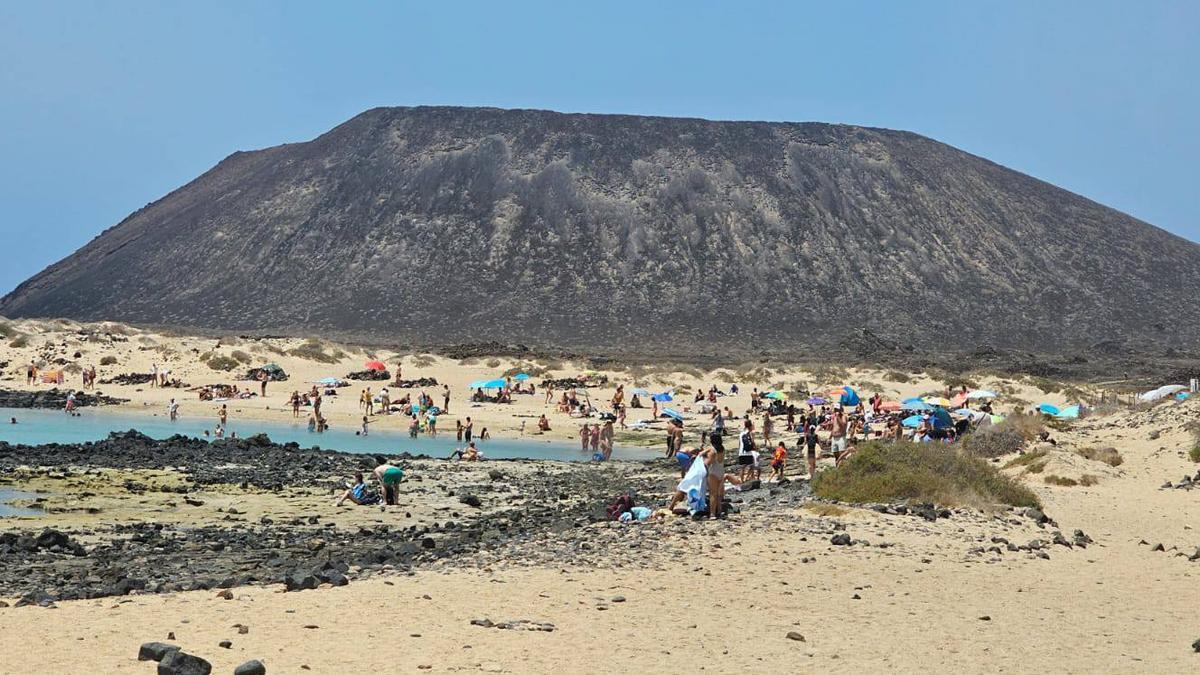
The Environmental Crisis of Lobos Island: A Balancing Act of Nature and Tourism
Fuerteventura, one of the jewel islands of the Canary archipelago, faces a growing dilemma: the over-exploitation of its small, natural satellite, Lobos Island. Declared a Natural Park in 1982, Lobos was once a sanctuary for biodiversity, notably housing the endangered monk seal. However, today’s reality starkly contrasts this image. The island is increasingly threatened by uncontrolled tourism, raising alarms among conservationists and the local population alike.
The Overcrowding Dilemma
According to the Management and Use Plan (PRUG), Lobos Island can accommodate only 400 visitors at any one time. This limit is critical in preserving its fragile ecosystem, yet it remains systematically ignored, leading to significant ecological strain. Every day, various boats, water taxis, and curious tourists arrive in droves, transforming this precious natural haven into an unregulated amusement park. With boats frequently exceeding the established visitor limit, the natural beauty and tranquility of Lobos are significantly compromised.
Nature Under Siege
The consequences of this unchecked flow of visitors are alarming. Precious trails are becoming indistinct under the weight of foot traffic, sand dunes are eroding, and endemic species, such as the Lobos sea lavender (Limonium bollei), face habitat threats. Even archaeological sites, remnants of ancient Roman activities—once a testament to the island’s rich history—risk suffering irreparable damage amidst the surge of indiscriminate visitation.
Institutional Apathy and the Call for Action
Despite public outcry, institutional responses have been sluggish. While the local government has promised measures to protect Lobos, including potential modifications to the PRUG that would allow greater visitor access, progress has been minimal. Carlos Rodríguez, the island’s Environmental Minister, acknowledges the challenges in formulating effective rules. The potential increase in daily visitor capacity from 400 to 704 raises red flags among conservationists, who argue that more visitors only exacerbate the ongoing crisis.
The residents of Fuerteventura, particularly those connected to Lobos, express mounting frustration. They seek more than just promises; they demand effective measures that include regular monitoring and the implementation of policies that enforce sustainable tourism practices. The local community stresses that sustainable tourism should not merely be an option but a necessary obligation.
Voices from the Community
The prevailing sentiment among locals is one of disappointment and concern. Individuals like Carla Hernández, who returned to Lobos after nearly a decade, lament the loss of the island’s pristine quality. She recalls Lobos as a haven of peace and beauty, now replaced by overwhelming crowds akin to busy urban beaches. Similarly, Saray Herrera, a resident of Fuerteventura, emphasizes the urgent need for a visitor cap and controlled access, advocating for the preservation of the island’s unique natural environment.
Visitors are not the only ones affected; the island’s infrastructure struggles to cope with the influx, lacking necessary facilities such as restrooms. This reality highlights the need for a well-considered approach to tourism that respects the delicate fabric of Lobos’s ecology.
The Future of Lobos Island
With increasing pressure from both tourism and community expectations, Lobos Island stands at a crucial juncture. The island’s health hangs in the balance, prompting intense discussions among government officials, environmentalists, and the community. As the islanders stress their concerns, the broader question remains: will measures be effectively implemented in time to save this cherished natural sanctuary?
In this ongoing narrative of Lobos Island, the future lies in a delicate balance between drawing visitors and preserving its natural integrity. The outcome will largely depend on the commitment to sustainable tourism principles and the active involvement of both local authorities and the visiting public.


